 Save
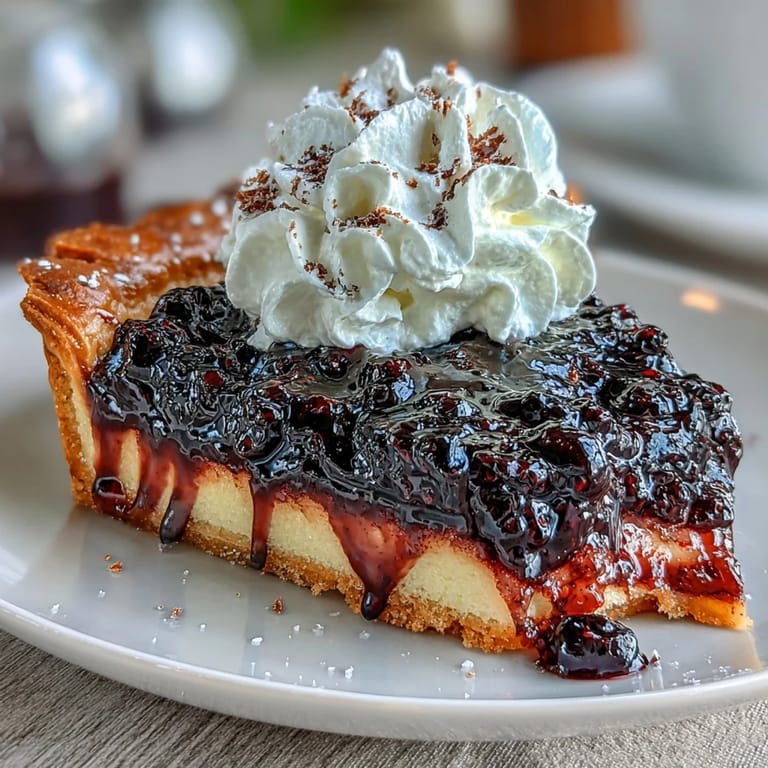
Save My neighbor brought over a small basket of black currants one July afternoon, apologizing because her garden had overflowed that year. I'd never worked with them before—they were almost black, tart, and nothing like the berries I usually reached for. That evening, while she sat at my kitchen counter, I decided to make something that would do them justice, and this tart was born. The combination of that tangy curd against buttery pastry felt like a small revelation, and watching her face light up on that first bite made me understand why she'd been so proud of her harvest.
I made this tart for my sister's book club, and it disappeared faster than anything else on the dessert table. One of her friends asked for the recipe immediately, and when I explained the curd-making process, she looked genuinely relieved that it wasn't some mysteriously complicated French technique. That moment reminded me that sometimes the most impressive dishes are just good technique applied with confidence.
Ingredients
- All-purpose flour: The foundation of a reliable, flaky pastry that won't shrink excessively during baking.
- Unsalted butter, cold and diced: Cold butter creates pockets of steam that give you those delicate, crispy layers—don't let it warm up.
- Powdered sugar: Dissolves smoothly in the pastry, adding subtle sweetness without the grittiness of granulated sugar.
- Salt: A small amount awakens the pastry's flavor and balances the richness.
- Egg yolk: Binds the dough just enough without making it tough; whole eggs would create a denser texture.
- Ice water: Keeps the butter cold during mixing, which is your secret to a tender, flaky crust.
- Fresh or frozen black currants: Frozen actually works beautifully here and costs less—they release their juice easily when cooked.
- Granulated sugar: Sweetens the curd while the tartness of the berries cuts through beautifully.
- Eggs and egg yolks: Create that silky, custard-like texture as the curd cooks; the extra yolks add richness.
- Lemon juice and zest: Brightens the black currant flavor and adds complexity that makes people wonder what the secret ingredient is.
- Unsalted butter for the curd: Stirred in at the end to create a smooth, luxurious finish.
- Heavy cream, cold: Whips to soft peaks when well-chilled; warm cream resists whipping no matter how long you beat it.
- Vanilla extract: A whisper of vanilla enhances the cream without overwhelming the delicate currant flavor.
Tired of Takeout? 🥡
Get 10 meals you can make faster than delivery arrives. Seriously.
One email. No spam. Unsubscribe anytime.
Instructions
- Build Your Pastry Base:
- Whisk flour, powdered sugar, and salt together in a bowl to distribute them evenly. Cut in the cold, diced butter using a pastry cutter or your fingertips, working quickly so the butter stays in small, distinct pieces—this is where those flaky layers come from. Add the egg yolk and 2 tablespoons of ice water, mixing gently just until the dough holds together when squeezed, adding a bit more water only if absolutely necessary.
- Rest and Chill:
- Shape the dough into a disk, wrap it tightly, and refrigerate for at least 30 minutes so the gluten relaxes and the butter firms up again. This waiting period transforms the dough from shaggy to workable and keeps your pastry from shrinking in the oven.
- Line and Blind Bake:
- Preheat your oven to 350°F. On a lightly floured surface, roll the chilled pastry to about 1/8-inch thickness and fit it into your tart pan, letting it settle naturally without stretching. Prick the base with a fork to prevent puffing, cover with parchment, and fill with pie weights or dried beans.
- Pre-Bake Until Golden:
- Bake for 15 minutes, then remove the weights and parchment and continue baking for 8 to 10 minutes until the edges are golden and the base is set. The interior will firm up as it cools, and you'll have a crisp shell that resists sogginess.
- Make the Black Currant Curd:
- Combine the black currants, sugar, lemon juice, and zest in a saucepan and cook over medium heat, stirring occasionally, until the berries burst and release their juice. Press the mixture through a fine mesh sieve to remove the skins, creating a smooth, glossy puree.
- Create the Silky Curd Custard:
- Whisk the eggs and yolks together, then slowly add the warm currant puree while whisking constantly to temper the eggs and prevent scrambling. Return the mixture to the saucepan and cook over low heat, stirring with a wooden spoon or whisk, until it thickens enough to coat the back of a spoon—about 10 minutes of patient, gentle heat.
- Finish with Butter:
- Remove the curd from heat and whisk in the butter pieces one at a time until they melt into a silky, luxurious mixture. The residual heat will incorporate the butter without causing it to separate.
- Fill and Chill:
- Pour the cooled curd (let it sit for 5 minutes first) into your crispy tart shell and refrigerate for at least 1 hour until it sets to a spoonable consistency. This resting time allows the flavors to meld and the curd to reach the perfect texture.
- Whip and Crown:
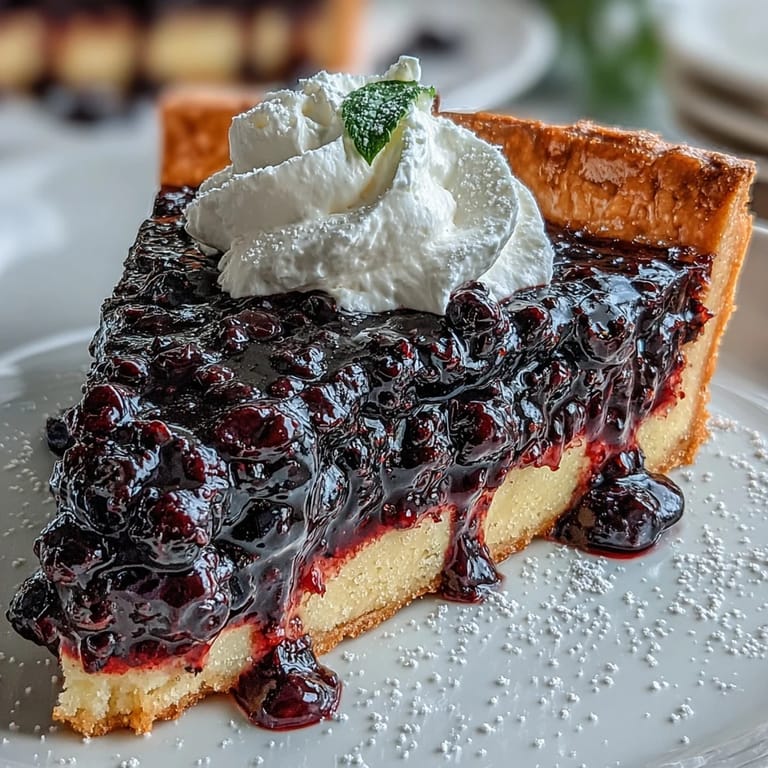
- Just before serving, whip your cold heavy cream with powdered sugar and vanilla until soft peaks form—clouds that hold their shape but still look airy and light. Dollop or pipe the whipped cream over each slice for a finishing touch that feels both casual and elegant.
 Save
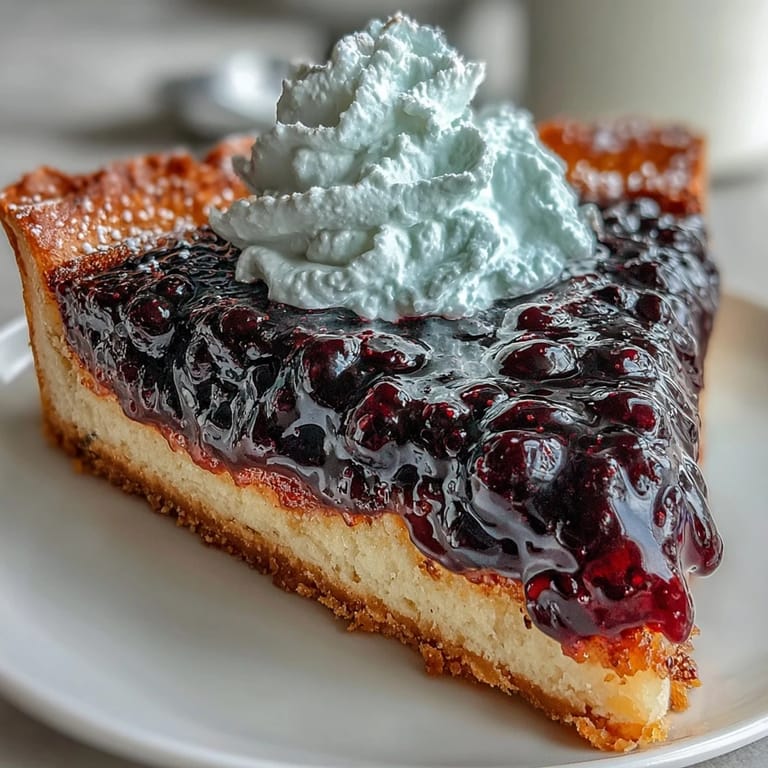
Save My mother came over one afternoon while the tart was chilling, and she sat at the kitchen table reading while I worked. When we finally sliced into it together, the pastry crackled under the knife, the curd held its shape with that deep jewel color, and the cream melted into both. She tasted it quietly, then said it reminded her of something she'd eaten once in Lyon, which felt like the highest compliment she'd ever given my cooking.
Why Black Currants Deserve More Love
Black currants taste like summer had a slightly tart, sophisticated sibling. They're less sweet than other berries but infinitely more interesting—their flavor has depth and complexity that makes them perfect for curds, jams, and desserts where you want to feel like you're eating something special. Once you work with them, you'll start spotting them in other recipes and wondering why they haven't been your go-to all along.
The Magic of Blind Baking
Blind baking is the reason your tart shell stays crisp instead of turning into wet cardboard under a wet filling. The pie weights or beans conduct heat directly to the bottom, cooking it through before anything moist touches it. It takes an extra 20 minutes but saves you from every soggy-bottomed disappointment you've ever known.
Storing and Serving Your Tart
This tart is best eaten within a day of making it—the pastry stays crispest that way, though it'll keep in the refrigerator for up to three days covered loosely with plastic wrap. Add the whipped cream topping just before serving so it doesn't weep or flatten. A slice pairs beautifully with chilled Moscato, strong black tea, or simply on its own with a small glass of something sparkling.
- The curd can be made up to three days ahead and stored in an airtight container, giving you a head start on assembly day.
- If your tart shell cracks slightly during blind baking, you can patch it with a bit of leftover dough or just proceed—the curd will seal any small gaps.
- Leftovers taste wonderful the next morning with coffee, though they'll never last that long.
 Save
Save This tart taught me that sometimes the most memorable dishes come from unexpected ingredients and a willingness to try something new. It's now the dessert I make when I want to feel both confident and creative in the kitchen.
Recipe FAQs
- → How do I achieve a crisp pastry shell?
Use cold butter cut into the flour until crumbly and avoid overworking the dough. Chill before rolling and blind bake with weights to prevent shrinking.
- → Can I substitute black currants with other berries?
Yes, blackberries or raspberries can be used for a similar tart flavor and texture in the curd.
- → What is the best way to prevent a soggy tart bottom?
Blind bake the pastry shell thoroughly to create a sturdy, golden base that resists moisture from the curd.
- → How should the whipped cream be prepared for topping?
Whip cold heavy cream with powdered sugar and vanilla extract to soft peaks to achieve a light, smooth topping.
- → Can the tart be prepared in advance?
Yes, chill the tart after filling and add whipped cream just before serving to maintain freshness and texture.