 Save
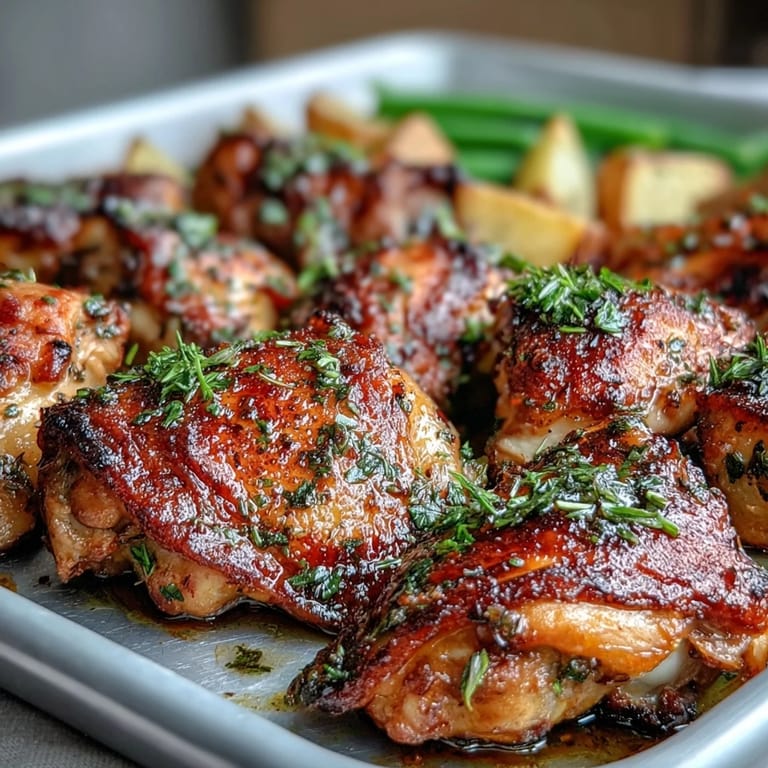
Save My neighbor knocked on my door one Wednesday evening with a question: what could she make that wouldn't dirty half her kitchen but still felt like real food? That's when this sheet pan dinner came to mind, and honestly, it's become my go-to answer for anyone juggling a busy week. The way the lemon cuts through the richness of the chicken, how those potatoes turn golden and crispy at the edges while staying tender inside, and the green beans soaking up all those garlicky juices—it all happens on one pan, almost without you having to think about it.
Last spring, I made this for a small dinner party on my back patio, and I watched my friend Sarah—who usually orders takeout—ask for the recipe before she'd even finished eating. That moment made me realize this dish has this quiet magic: it looks more impressive than it actually is, and it gives you time to actually enjoy your guests instead of being chained to the stove.
Ingredients
- Boneless, skinless chicken breasts (4, about 1.5 lbs): Choose breasts that are roughly the same thickness so they cook evenly; if some are thicker, gently pound them down with the flat of your knife.
- Olive oil (3 tablespoons total): Good olive oil matters here because it's one of your main flavors—don't use the cheap stuff you'd normally fry with.
- Fresh lemon juice and zest: Fresh is non-negotiable; bottled juice tastes thin and won't give you that bright, almost grassy note that makes this dish sing.
- Garlic cloves (3, minced): Mince them fine so they distribute evenly and infuse the oil without burning in the oven's heat.
- Dried oregano and thyme (1 teaspoon each): These herbs ground the dish in a Mediterranean feel and complement lemon better than almost any other combination.
- Baby potatoes (1 lb, halved): Halving them ensures they roast through before the chicken dries out; if your potatoes are larger, cut them into quarters.
- Green beans (8 oz, trimmed): Trim both ends and toss them in during the final 20 minutes so they stay bright and crisp instead of turning gray.
- Salt and pepper: Use kosher salt if you have it—it dissolves more naturally into the oil and seasons more evenly.
Tired of Takeout? 🥡
Get 10 meals you can make faster than delivery arrives. Seriously.
One email. No spam. Unsubscribe anytime.
Instructions
- Get your oven ready and set up your workspace:
- Preheat to 425°F and line your sheet pan with parchment paper or foil—this step saves you from scrubbing later and lets the chicken brown properly. Having everything prepped before you start makes the actual cooking feel smooth and stress-free.
- Build your marinade with intention:
- Whisk together the olive oil, lemon juice, zest, garlic, oregano, thyme, salt, and pepper in a bowl, letting the flavors marry for just a moment. You'll notice the smell shift as the garlic and herbs begin to bloom—that's when you know it's ready.
- Coat the chicken and let it sit:
- Add your chicken breasts to the marinade and turn them gently so every side gets coated; this isn't a vigorous toss but more of a caress. Even 5 or 10 minutes of sitting gives the flavors a chance to start penetrating the meat.
- Season and roast your potatoes first:
- Toss the halved potatoes with oil, salt, and pepper, then spread them cut-side down on your prepared pan and roast for 15 minutes alone. You're giving them a head start because they need more time than the chicken and green beans to become truly tender.
- Bring everything together on the pan:
- Remove the hot pan, push the potatoes to the sides, and arrange your marinated chicken breasts down the middle with the green beans nestled around them. Drizzle any remaining marinade over everything so nothing dries out.
- Finish roasting until everything is golden:
- Return the pan to the oven for 20 minutes, checking at around 18 minutes by inserting a meat thermometer into the thickest chicken breast—you're looking for 165°F. The potatoes should have crispy, golden edges while staying creamy inside, and the green beans should have taken on some color.
- Optional broil for extra depth:
- If you want deeper browning on the chicken and potatoes, slide the pan under the broiler for 2 to 3 minutes, keeping your eye on it so nothing burns. This step is purely for appearance and extra caramelization, so skip it if you're short on time.
- Finish with fresh brightness:
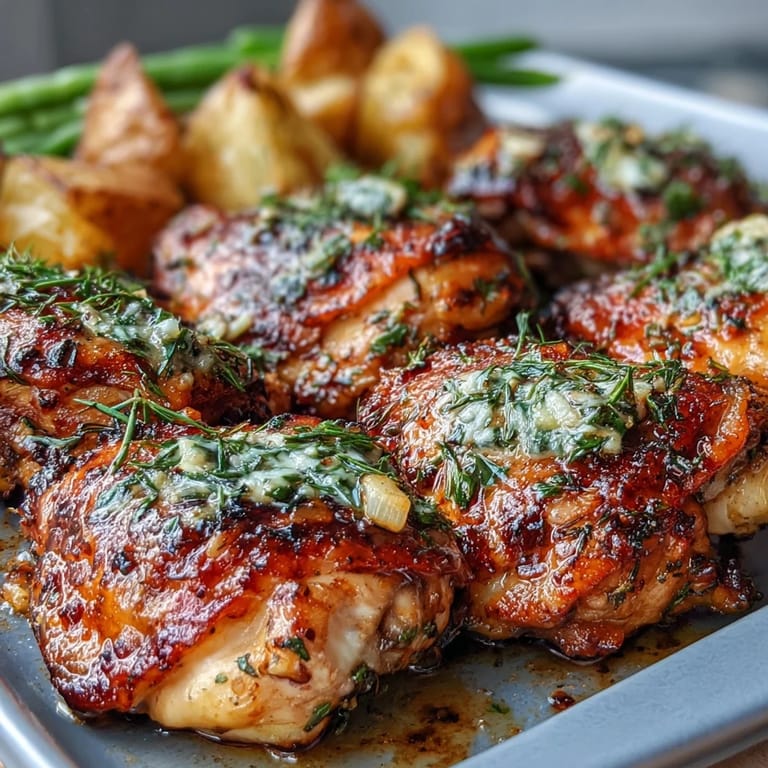
- Pull everything off the heat, scatter fresh chopped parsley over the top, and set lemon wedges on the side for people to squeeze over their portions as they eat. That final squeeze of fresh lemon right before eating makes everything taste alive again.
 Save
Save There was an afternoon when my kids actually asked for seconds without being asked, and my partner looked up from his plate and said, simply, "This tastes expensive." That's when I knew this recipe had crossed from 'weeknight dinner' into 'something I'm proud to put on the table,' and that feeling never gets old.
Why One Pan Changes Everything
Sheet pan cooking taught me something unexpected: when you roast vegetables and protein together, they share their flavors rather than compete. The chicken releases its juices as it cooks, and those juices pool around the potatoes and soak into the green beans, creating this natural sauce that tastes like you spent hours building layers. The moisture in the vegetables also helps keep the chicken from drying out, which is a small miracle in itself.
Making It Your Own
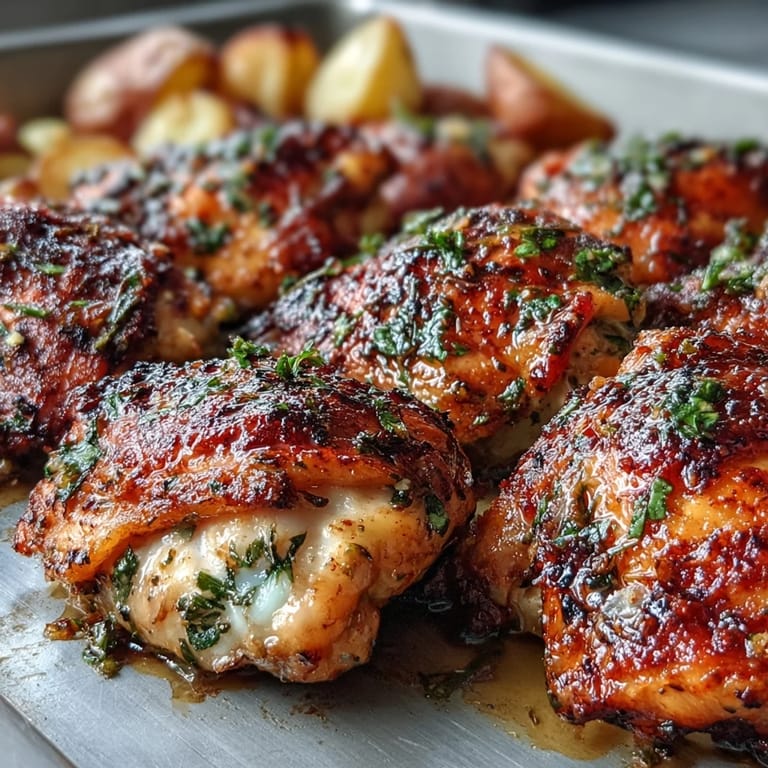
Once you've made this a few times, you'll start seeing variations everywhere. I've swapped in rosemary for thyme when I had it on hand, added a pinch of red pepper flakes when my mood called for heat, and even tried it with bone-in, skin-on chicken thighs instead of breasts—they take about five extra minutes but give you richer, more forgiving meat. The frame of lemon and garlic is flexible enough to welcome whatever you want to explore.
What to Serve Alongside
The beauty of this dinner is that it needs almost nothing else, but a few simple additions make it feel complete. A crusty bread is perfect for soaking up the pan juices, while a simple green salad with a light vinaigrette cuts through the richness without requiring any extra effort. Some evenings I'll finish dinner with something cold and bright—a lemon panna cotta or even just fresh berries—because the citrus notes linger on your palate and want something cool to echo them.
- If you have fresh herbs on hand, a mix of parsley, dill, and chives scattered over the top adds a garden-fresh note at the last second.
- Serve family-style right from the pan if you're eating casually; it looks generous and inviting and saves one more dish.
- Leftovers shred beautifully and turn into grain bowls or sandwiches the next day if you have any left over.
 Save
Save This dinner is proof that real food doesn't need to be complicated, and that feeding people you care about doesn't have to leave you exhausted. Make it often enough, and it becomes one of those recipes you could almost do in your sleep—a reliable friend in your kitchen.
Recipe FAQs
- → What temperature is best for roasting this dish?
Roasting at 425°F (220°C) helps achieve crispy potatoes while keeping the chicken juicy and tender.
- → Can I substitute other vegetables?
Yes, vegetables like asparagus, carrots, or Brussels sprouts can be used depending on preference and seasonality.
- → How do I know when the chicken is fully cooked?
Ensure the internal temperature reaches 165°F (74°C) for safe consumption and optimal juiciness.
- → Is marinating necessary for flavor?
Marinating the chicken in lemon, garlic, and herbs enhances brightness and depth, but a quick toss works if short on time.
- → What is the benefit of broiling at the end?
Broiling for 2-3 minutes adds appealing color and caramelization without overcooking the ingredients.