 Save
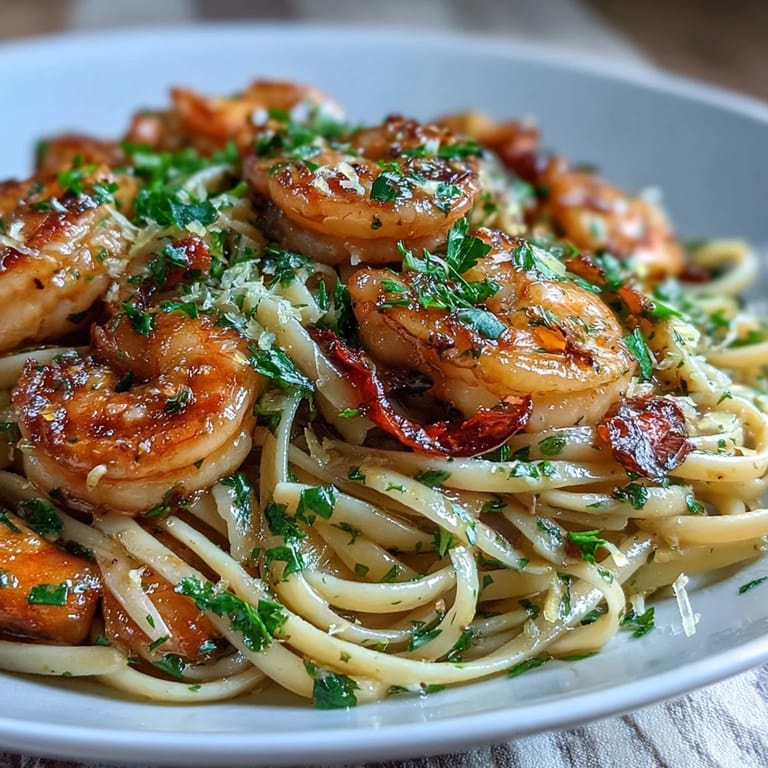
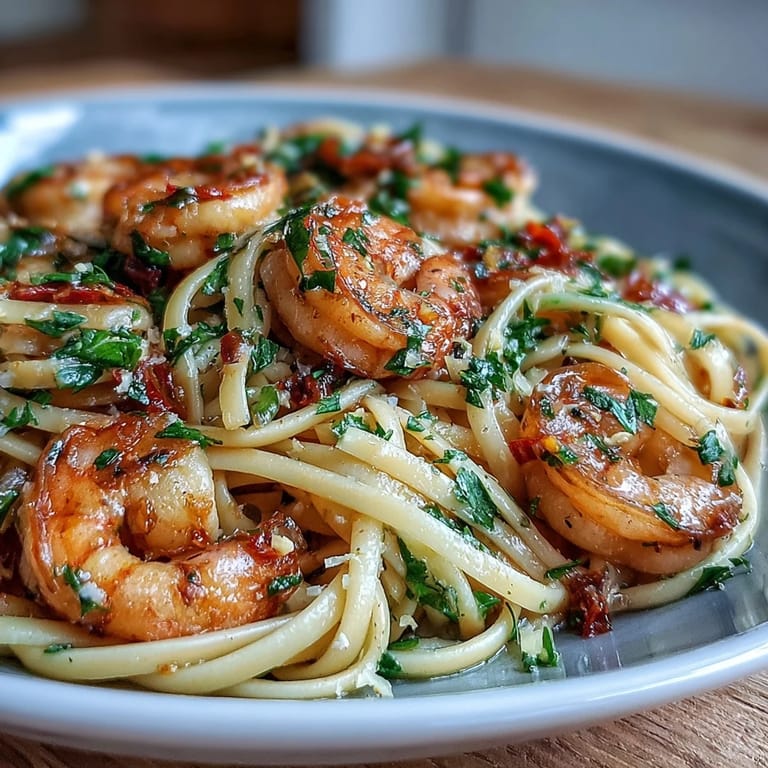
Save One evening, my kitchen filled with the most intoxicating aroma—garlic and chili oil sizzling in a pan while linguine drained in the colander behind me. My neighbor had stopped by unexpectedly, drawn in by the smell alone, and I realized this dish had that magnetic quality: simple enough to pull together in half an hour, bold enough to feel like you'd been cooking all day. That night, watching someone taste it for the first time and immediately ask for the recipe, I understood why this became my go-to when I wanted to impress without the stress.
I made this for a small dinner party last spring, and what stands out isn't the compliments—it's the moment my friend asked if the shrimp was local, genuinely curious about the quality. That question stuck with me because it reminded me that good ingredients shine brightest when you let them speak for themselves, without drowning them in heavy sauces. This dish does exactly that: each flavor component has its own voice.
Ingredients
- Large shrimp (400 g): Buy them fresh if possible, or thaw frozen ones completely and pat them dry before cooking so they sear properly instead of steaming.
- Linguine (350 g): The flat shape catches the oil beautifully, but honestly, any pasta works—I've used spaghetti when that's what was in the cupboard and nobody noticed.
- Garlic (5 cloves, thinly sliced): Thin slices cook evenly and distribute throughout the oil without turning bitter, which is the whole point.
- Red chili peppers (1–2, thinly sliced): Fresh peppers give a cleaner heat than flakes, but if you only have flakes on hand, use about 1 teaspoon and add it carefully.
- Fresh flat-leaf parsley (1 small bunch, chopped): Stir it in right at the end so it stays bright green and fresh, not cooked into submission.
- Lemon zest and juice: This is where the lift comes from—don't skip it or use bottled juice, because the real thing makes all the difference.
- Extra-virgin olive oil (3 tbsp): Use something you'd actually taste on its own, because you absolutely will here.
- Dry white wine (2 tbsp, optional): It adds a subtle sweetness that rounds out the heat, but if you don't drink or don't have it, the shrimp juices will do the job.
- Salt and black pepper: Taste as you go—this is not the dish to season all at once at the end.
Tired of Takeout? 🥡
Get 10 meals you can make faster than delivery arrives. Seriously.
One email. No spam. Unsubscribe anytime.
Instructions
- Start your pasta water:
- Fill a large pot with salted water and bring it to a rolling boil—the kind where you can hear it from across the room. This takes longer than you'd think, so don't skip this step while you're prepping other things.
- Cook the linguine:
- Add pasta according to package timing, but start checking a minute or two early because al dente linguine has a gentle bite to it, not a hard crunch. Reserve about half a cup of starchy pasta water before draining—this liquid is gold for bringing everything together later.
- Build your aromatic base:
- While pasta cooks, pour olive oil into a large skillet and set it over medium heat. Once the oil shimmers, add your sliced garlic and chili, stirring constantly for just a minute or two until the kitchen smells unbelievably good but the garlic is still pale, not golden.
- Cook the shrimp:
- Increase heat slightly and add your shrimp in a single layer, seasoning with salt and pepper right away. They'll turn pink and curl up in 2–3 minutes—watch them closely because overcooked shrimp becomes rubbery and there's no saving it.
- Add brightness:
- Stir in the lemon zest while the shrimp are still in the pan, letting it warm through for a few seconds. If you're using wine, pour it in now and let it bubble away—it's not about alcohol, but about that subtle sweetness mingling with the heat.
- Bring it all together:
- Add your drained linguine directly to the skillet along with a splash of reserved pasta water—start with a quarter cup and add more if things look dry. Toss everything for a minute until the noodles are coated and glossy, then taste and adjust seasoning as needed.
- Finish and serve:
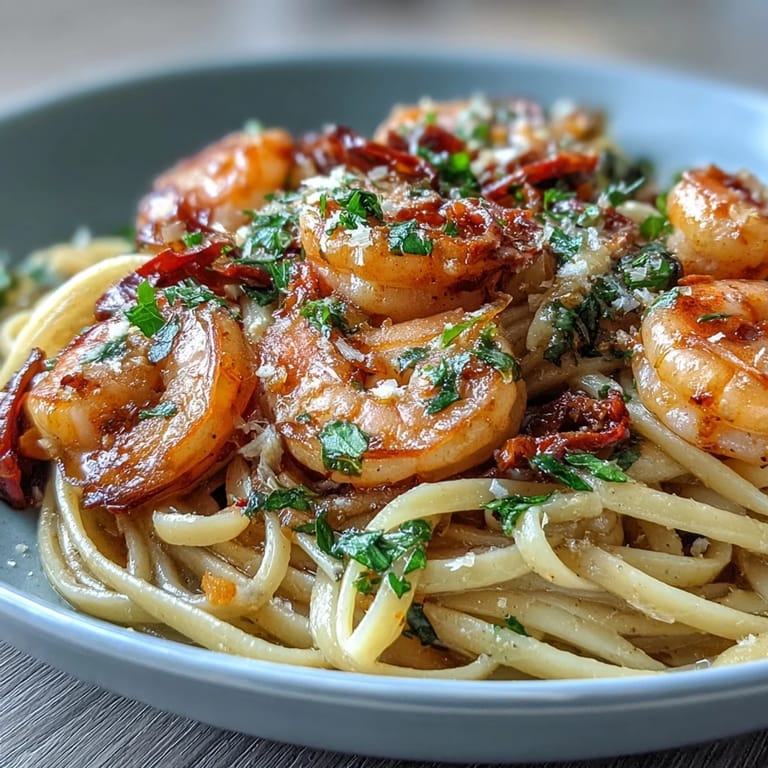
- Turn off the heat, scatter the fresh parsley over everything, give it one final toss, and drizzle with lemon juice. Plate it immediately while it's still steaming.
 Save
Save There was a night when I made this for someone I was trying to impress, and halfway through, I realized I'd forgotten to buy fresh parsley. Instead of panicking, I used what I had—fresh mint from my windowsill—and something unexpected happened. The mint brought a coolness that somehow made the heat feel sharper and more interesting, and they loved it even more. That's when I learned that this dish isn't fragile; it's flexible, and sometimes your mistakes become your best experiments.
On Shrimp Selection
The quality of your shrimp matters more than you'd think, especially when the cooking is this brief and the flavors this direct. I used to buy the cheapest option available, and honestly, the texture was mealy and the flavor was muted. Once I started seeking out shrimp that actually smelled like the ocean instead of just cold, the whole dish shifted. Now I ask the fishmonger when they came in and whether they're wild or farmed—both are fine, but knowing means I understand what I'm working with.
The Art of Timing
This dish teaches you something about cooking that extends beyond pasta: everything happens at once, and that's not a problem if you're organized. I lay out all my ingredients before I start—garlic sliced, chili prepped, parsley chopped, lemon zested. The actual cooking becomes almost meditative because you're not scrambling; you're just moving through steps you've already thought about. It's the difference between feeling rushed and feeling in control.
Why This Works Without Cream
I've had creamy garlic shrimp pasta before, and it's delicious, but there's something about this approach that feels more honest. The oil carries the flavors directly—the heat from the chili, the sweetness of the garlic, the brightness of the lemon—all of it lands on your palate without any dairy getting in the way. The starchy pasta water does the binding work, creating a silky sauce that tastes like concentration rather than indulgence, which somehow makes you feel less guilty about going back for seconds.
- If you genuinely prefer richer flavors, a splash of cream or a knob of butter stirred in at the very end won't ruin anything.
- The wine is optional but worth including if you have it—it adds a whisper of complexity that elevates the whole dish.
- Serve with good bread for soaking up the oils left on your plate, because that's the best part.
 Save
Save This is the kind of dish that reminds you why you love cooking: it's quick, it's elegant, and it brings people to the table without keeping you tethered to the stove. Make it tonight, and you'll probably make it again next week.
Recipe FAQs
- → How do I prevent shrimp from overcooking?
Cook shrimp just until they turn pink and opaque, usually 2-3 minutes. Remove from heat promptly to keep them tender.
- → Can I adjust the spice level?
Yes, increase or decrease the amount of chili slices or red pepper flakes according to your heat preference.
- → What can I substitute for linguine?
Spaghetti or fettuccine make excellent alternatives if linguine is unavailable or preferred.
- → Is white wine necessary for the sauce?
White wine adds depth and acidity but can be omitted. Substitute with a splash of vegetable broth or skip entirely.
- → How to make this dish gluten-free?
Use gluten-free pasta instead of linguine and verify all ingredient labels for gluten content.
- → What herbs complement this dish?
Fresh flat-leaf parsley adds bright herbal notes, balancing the spicy and citrus flavors well.