 Save
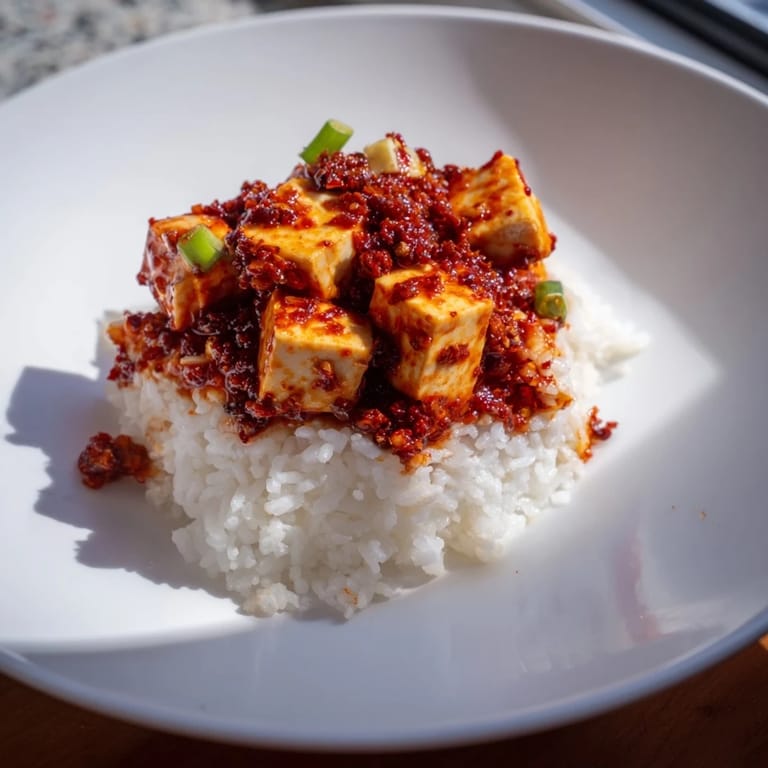
Save The first time I truly understood mapo tofu, I wasn't in a restaurant—I was standing in my tiny kitchen at midnight, having just discovered a jar of doubanjiang at an Asian market I'd walked past a hundred times. The woman behind the counter told me it was the soul of Sichuan cooking, and I had to know what she meant. Twenty minutes later, with silky tofu trembling in a sauce that made my mouth tingle and burn in the most addictive way, I got it. This dish isn't just dinner; it's a doorway into a completely different way of thinking about flavor.
I made this for my roommate on a rainy Tuesday when she was stressed about work, and watching her face transform from exhausted to actually smiling midway through the first bite—that's when I realized some dishes do more than feed you. The numbing tingle of Sichuan peppercorns became our shorthand for trying something that scared us a little.
Ingredients
- Silken or soft tofu (400 g): This is the gentle foundation of the dish, and it needs to be well-drained or it'll water down your sauce—pat it dry with paper towels right before cubing.
- Ground pork or beef (150 g, optional): The meat adds richness and texture, but this dish shines vegetarian too; just use vegetarian doubanjiang if you skip it.
- Sichuan doubanjiang (2 tbsp): This fermented chili bean paste is non-negotiable—it's where the complex, umami-forward heat lives, and no substitution will quite get you there.
- Soy sauce (1 tbsp): Choose one you trust; it bridges the spice and salt and keeps everything from tasting one-dimensional.
- Shaoxing wine (1 tbsp): It adds a subtle sweetness and depth that balances the heat; dry sherry works if you can't find it.
- Sugar (1 tsp): Just enough to round out the sauce and prevent it from becoming purely sharp.
- Chicken or vegetable broth (½ cup): Use low-sodium so you control the final salt level.
- Cornstarch slurry (1 tbsp cornstarch + 2 tbsp water): This thickens the sauce so it clings to the tofu instead of pooling at the bottom.
- Sichuan peppercorns (1 tbsp, toasted and ground): Toast them yourself if you can—that moment when the aroma fills your kitchen is when you know they're ready, and it changes everything.
- Vegetable oil (3 tbsp): Use a neutral oil that can handle heat without smoking.
- Garlic and ginger (3 cloves minced, 2 tsp minced): These build the aromatic foundation and should go in together so they bloom in the hot oil.
- Scallions (2, white and green parts separated): The whites cook down and add oniony depth; the greens are your finishing brightness.
- Dried red chilies (1–2, chopped, optional): Add these if you want more visible heat and a sharper chili flavor alongside the doubanjiang's warmth.
Tired of Takeout? 🥡
Get 10 meals you can make faster than delivery arrives. Seriously.
One email. No spam. Unsubscribe anytime.
Instructions
- Organize everything first:
- Drain your tofu and cut it into ¾-inch cubes—they should feel delicate in your hands. Mix the cornstarch with water until smooth, and separate your scallion whites from greens; you're setting yourself up to move fast once the pan gets hot.
- Toast and grind the peppercorns:
- Heat a dry wok or large skillet over medium heat, add the peppercorns, and listen for them to crackle and smell almost piney. Grind them coarsely in a mortar and pestle so you get both powder and small pieces for texture.
- Build your aromatic base:
- Raise the heat to medium-high, add your oil, and when it shimmers, add the scallion whites, garlic, and ginger all at once. Stir constantly for about a minute—you want them fragrant and starting to color, not burnt.
- Brown the meat (if using):
- Push everything to the side and add your ground pork or beef, breaking it into small pieces as it cooks. Let it sit in contact with the hot pan for a moment so it caramelizes, then stir it in with the aromatics until no pink remains.
- Bloom the doubanjiang:
- Add the chili bean paste and dried chilies if using, and stir constantly for 1–2 minutes until the oil turns a deep red and smells impossibly good. This is where the magic happens—don't skip the time here.
- Add your liquid and seasonings:
- Pour in the Shaoxing wine, soy sauce, sugar, and broth, stirring gently to combine. Bring everything to a simmer and let it bubble quietly for a moment so the flavors marry.
- Gently welcome the tofu:
- Slide your tofu cubes into the simmering sauce, being careful not to stir aggressively—let them settle in for 5 minutes while you spoon the sauce over them. The tofu will soften more and absorb all that flavor.
- Thicken and finish:
- Give your cornstarch slurry a quick stir to re-combine it, then drizzle it into the pan while stirring gently in a figure-eight pattern so the sauce thickens evenly and coats every piece of tofu.
- Season with peppercorns and serve:
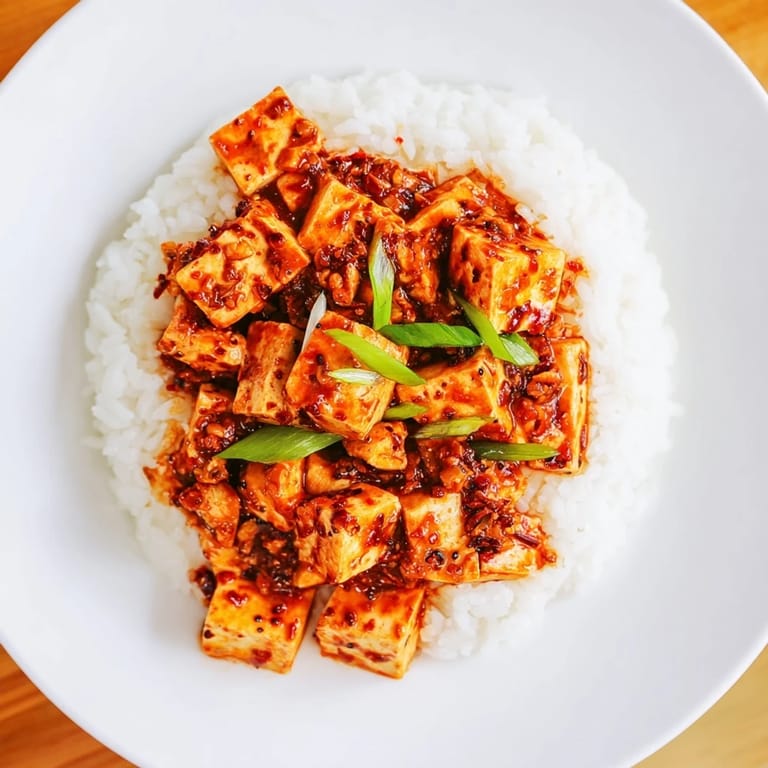
- Sprinkle the ground Sichuan peppercorns over everything, add half your scallion greens, and serve immediately over steamed jasmine rice with the remaining scallions and a drizzle of chili oil if you're feeling it.
 Save
Save I'll never forget the moment my friend's partner, who swore he didn't like tofu, asked for seconds and looked genuinely surprised that he was enjoying himself. That's the power of this dish—it converts people quietly.
The Soul of Sichuan Heat
Mapo tofu is built on the principle of layered heat rather than a single punch of spice. The doubanjiang provides a deep, funky warmth that sits in your chest, while the Sichuan peppercorns create that famous numbing sensation—called máláng in Sichuan—that makes your mouth feel alive and tingly. Together they're not fighting; they're conversing, and that complexity is what keeps you coming back for another spoonful even when you're sweating.
Customizing Your Version
The beauty of this recipe is how forgiving it is to personalization. Skip the meat entirely for vegetarian or vegan mapo, and use vegetarian doubanjiang and vegetable broth—the tofu and sauce carry the dish beautifully on their own. If heat isn't your thing, reduce the doubanjiang to 1 tablespoon and skip the dried chilies; you'll still get all the savory, umami depth without the burn. Some cooks add a touch of sesame oil at the end for extra richness, and honestly, they're not wrong.
Serving and Pairing
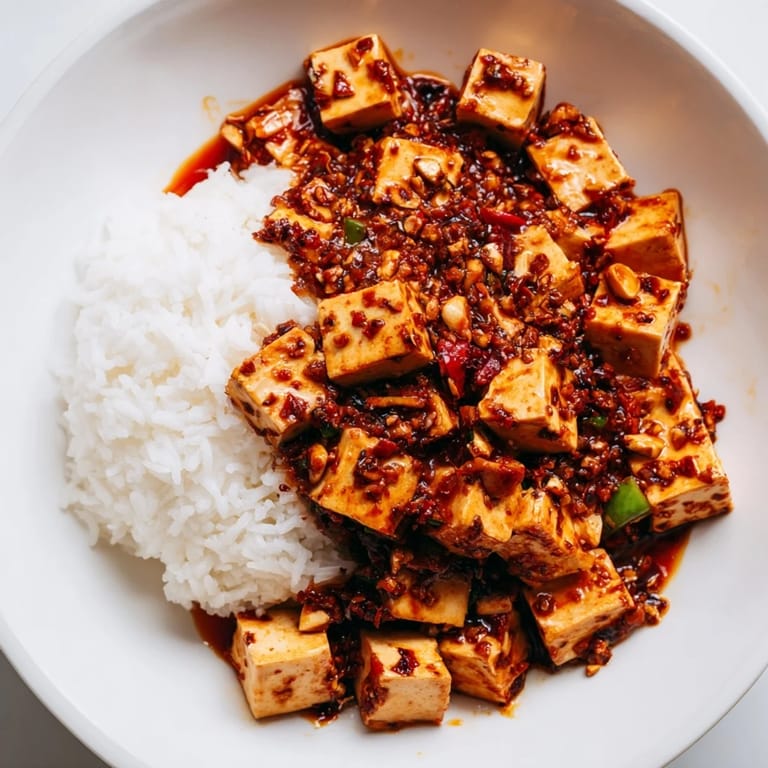
Serve this over steamed jasmine rice so every grain gets a moment in the sauce, and don't skip the chili oil drizzle if you have access to good stuff—it adds an aroma and a final brightness that feels intentional. If you're drinking wine, reach for something crisp and slightly off-dry like a Riesling, which balances the numbing heat with sweetness in a way that feels magical.
- A side of quick-pickled vegetables adds a sharp note that cuts through the richness beautifully.
- Some people add a fried egg on top for extra richness, and while it's not traditional, it absolutely works.
- Leftover mapo keeps for three days in the fridge and actually tastes better the next day as the flavors deepen and settle.
 Save
Save This dish is humble and bold in equal measure, the kind of thing that reminds you why cooking matters. Make it, and something shifts.
Recipe FAQs
- → What type of tofu works best for this dish?
Silken or soft tofu is preferred for its delicate texture, but firm tofu can be used for a sturdier bite that holds shape better.
- → Can this be made vegetarian?
Yes, simply omit the meat and use vegetarian chili bean paste along with vegetable broth for the sauce.
- → How do Sichuan peppercorns affect the flavor?
They provide a unique numbing sensation and citrusy aroma that complements the spicy bean sauce perfectly.
- → What is the role of Shaoxing wine in the sauce?
Shaoxing wine adds depth and mild sweetness, enhancing the savory layers without overpowering the dish.
- → How spicy is this dish and can it be adjusted?
Spiciness depends on the amount of chili bean paste and dried chilies used; these can be increased or reduced to taste.