 Save
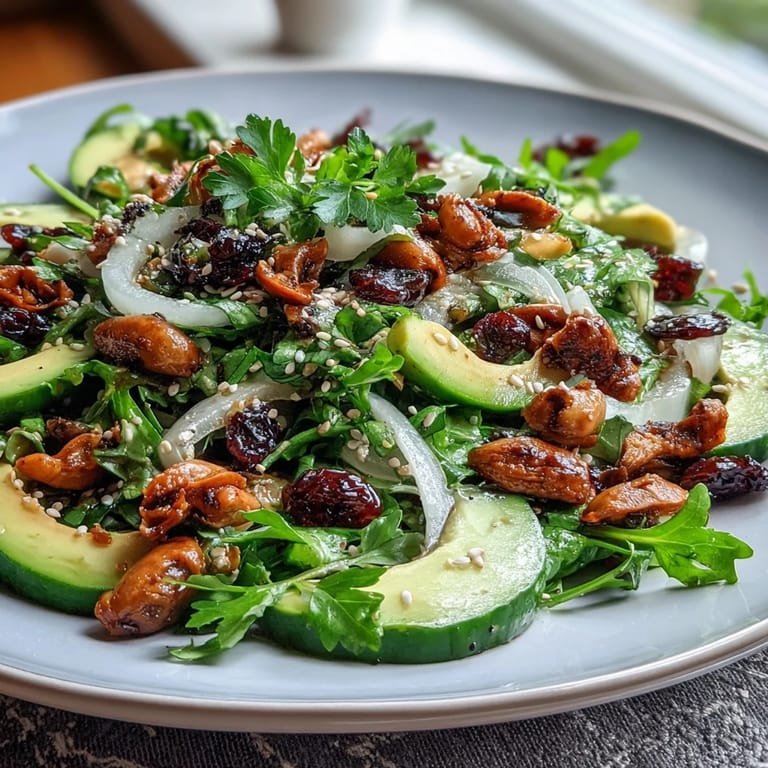
Save My neighbor brought this salad to a summer potluck, and I watched people gravitate toward it like moths to flame—the crisp snap of celery, that whisper of ginger in every bite, the way the sesame oil caught the light. I asked for the recipe right there on her porch, pen in hand, and she laughed because she'd made it up on the spot using whatever was in her crisper drawer. Now it's become my go-to when I need something that tastes intentional but feels effortless, a salad that actually makes you slow down to chew.
I made this for a work lunch last winter when someone complained about their sad desk salads, and by the next week, three people had asked if I'd do it again. There's something about serving food you actually enjoyed making—the little diagonal celery slices, the way you can taste the ginger without it overpowering—that changes how people eat it. They actually finished it instead of picking at it between emails.
Ingredients
- Celery stalks: The foundation of everything here—aim for the palest, crispest ones you can find, and slice them on the diagonal so they catch the dressing better and look a little fancier without trying.
- Red bell pepper: This adds sweetness and color; thinner slices mean better distribution throughout the salad and less chewing resistance.
- Scallions: Don't skip them for onion—scallions have a gentler bite that plays nicely with the ginger rather than muscling in on it.
- Carrot: Optional but worth it; julienne it thin so it soaks up the dressing and adds a subtle sweetness.
- Roasted unsalted peanuts: Buy them already roasted and chop them roughly—you want some texture variation, not peanut dust.
- Sesame seeds: Toast them yourself if you have time, or grab the ones already toasted; they add a nutty depth that matters more than you'd think.
- Fresh cilantro: This is your herbaceous counterpoint to all the richness; don't be shy with it.
- Soy sauce: Use tamari if gluten bothers you, and don't assume all soy sauces taste the same—a good one makes the whole dressing sing.
- Rice vinegar: The gentler acidity keeps this from tasting aggressive, which is the whole point of the balance here.
- Toasted sesame oil: One tablespoon is all you need because this stuff is concentrated flavor; regular sesame oil is fine if toasted isn't available, but it won't be quite as deep.
- Honey or maple syrup: A touch of sweetness to round out the sharp notes; maple gives it an earthier feel if you go that route.
- Fresh ginger: Finely grate it so you get those little fibers that distribute evenly; pre-ground ginger powder will turn this into something else entirely.
- Garlic: Minced, not pressed—you want small pieces, not garlic juice dominating everything.
- Lime juice: Freshly squeezed changes the brightness considerably; bottled tastes flat in comparison.
- Chili flakes or fresh chili: Optional, but a gentle heat ties all these flavors together without making it uncomfortable.
Tired of Takeout? 🥡
Get 10 meals you can make faster than delivery arrives. Seriously.
One email. No spam. Unsubscribe anytime.
Instructions
- Prep your vegetables:
- Slice the celery on a slight diagonal so each piece catches light and dressing—it takes an extra ten seconds but feels intentional. Slice the pepper thin, julienne the carrot if using it, and chop the cilantro roughly so it doesn't bruise.
- Combine in the bowl:
- Toss celery, pepper, scallions, carrot, and cilantro together in your largest salad bowl; the vegetables should look happy and scattered, not compressed.
- Make the dressing magic:
- Whisk soy sauce, rice vinegar, sesame oil, honey, ginger, garlic, lime juice, and chili together in a small bowl or jar until the honey dissolves and everything looks emulsified. Taste it—it should make your mouth wake up a little.
- Marry it all together:
- Pour the dressing over the vegetables and toss with enough enthusiasm that every piece gets coated, but gently enough that you're not bruising the celery into submission. The dressing should glisten, not pool.
- Add the final textures:
- Sprinkle peanuts and sesame seeds over the top and toss one more time so they're distributed but still have some of their crunch intact; serve immediately so you get that contrast between the soft vegetables and the crispy bits.
 Save
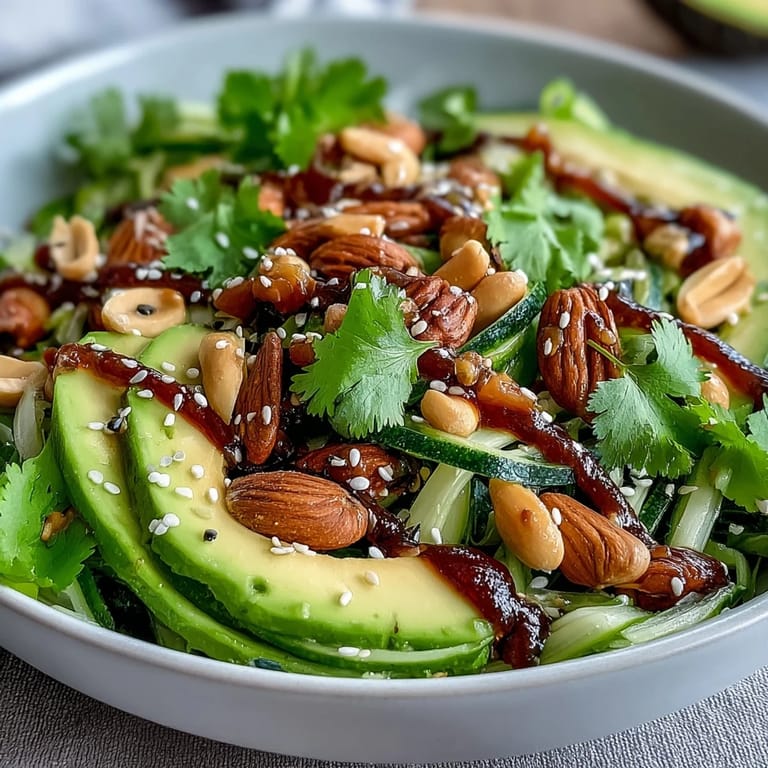
Save My daughter actually ate her vegetables without complaint when I made this, which felt like a small miracle, and now I realize it's because she got to see the whole salad coming together rather than having something dumped on her plate. Involving people in the process, even just letting them watch while you slice things at angles and smell the ginger, changes how they relate to what they're eating.
Why This Works as a Side Dish
This salad doesn't compete with the main course—it supports it. The soy-ginger dressing is assertive enough to pair with roasted proteins or stir-fries, but the vegetables stay light and refreshing, never heavy or starchy. I've served it alongside grilled fish, chicken satay, and even curry without it ever feeling redundant.
Making It Heartier
If you're eating this as a main course instead of a side, shredded roasted chicken breast or crumbled baked tofu transforms it without overwhelming the delicate balance of flavors. The warm protein against the cool, crisp vegetables creates a satisfying temperature contrast that makes the meal feel more complete. I usually dress the protein lightly and add it right before serving so it stays warm.
Timing and Storage Secrets
This salad is best served within twenty minutes of dressing—after that, the celery starts to soften and the whole thing loses its snap. If you need to make it ahead, keep the dressing separate and toss everything together just before serving. The individual components will stay fresh in the refrigerator for up to two days, which is perfect for meal prep if you like assembling salads in the morning.
- Store the dressing in a jar in the coldest part of your fridge and shake it before using since sesame oil can separate.
- Prep all your vegetables the night before but don't slice them until you're ready to dress—cut celery oxidizes and loses brightness.
- Keep peanuts and sesame seeds in a separate container so they don't soften from the moisture of the vegetables.
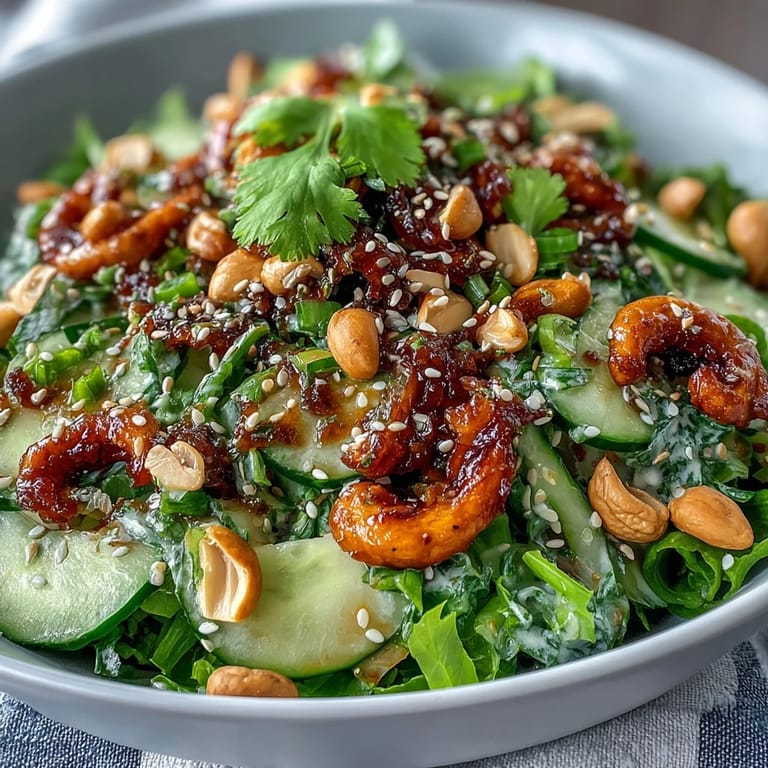 Save
Save This salad lives in that beautiful space where it feels both light and satisfying, where you can eat a whole bowl and feel good about it instead of empty afterward. It's become my answer to the question of what to bring when I'm not sure what anyone's in the mood for—everyone eats it, and everyone seems a little surprised by how good something so simple tastes.
Recipe FAQs
- → What ingredients provide the crunch in this salad?
Crisp celery stalks, roasted peanuts, and optional julienned carrots contribute to the satisfying crunch and texture.
- → How is the dressing made for this salad?
The dressing combines soy sauce, rice vinegar, toasted sesame oil, honey or maple syrup, fresh grated ginger, minced garlic, lime juice, and optional chili flakes for a zesty and balanced flavor.
- → Can this salad be prepared ahead of time?
For best crunch, prepare the salad just before serving or chill briefly to let flavors meld without losing texture.
- → Are there suitable substitutions for peanuts?
Yes, cashews or almonds can be used as alternative nuts to add crunch and complement the flavors.
- → What herbs are used to enhance the salad’s flavor?
Fresh cilantro and scallions provide herbal freshness and brighten the overall taste.
- → Is this dish suitable for a gluten-free diet?
Using tamari instead of regular soy sauce ensures the dressing is gluten-free.