 Save
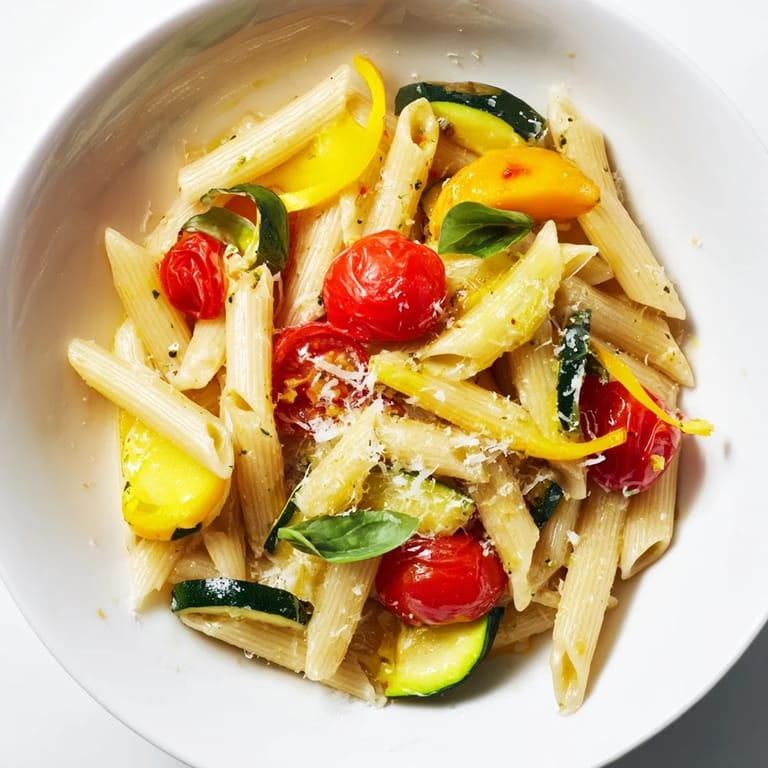
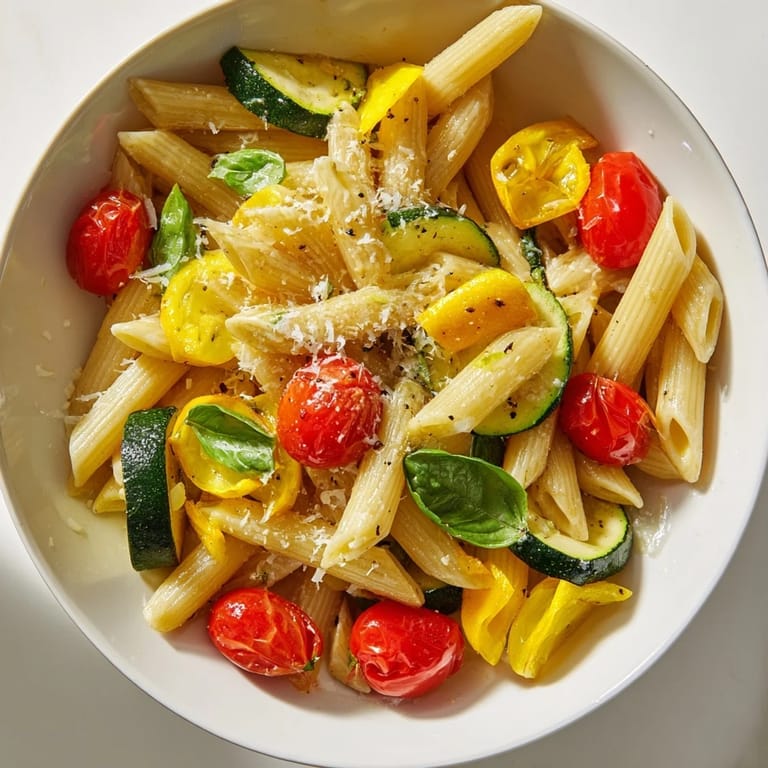
Save My neighbor knocked on my door one July afternoon holding a canvas tote overflowing with squash and zucchini from her garden. She smiled apologetically and said she had no idea what to do with them all. I tossed them with hot pasta, garlic, and the last of my cherry tomatoes, and we ended up eating on the back porch until the sky turned pink. That was the summer I learned you don't need a fancy sauce when the vegetables taste like sunshine.
I made this for my sister when she was convinced she hated zucchini. She kept picking around the pasta until I told her to just try one bite with the tomatoes and basil together. She finished the whole bowl and asked for the recipe before she left. Now she texts me every August asking if I remember the proportions, even though I've sent them to her three times.
Ingredients
- Penne or fusilli pasta: Short shapes with ridges grab onto the olive oil and vegetable juices better than smooth noodles, and they are easier to twirl with a fork on a hot night.
- Zucchini: Slice them into half-moons no thicker than a quarter inch or they will steam instead of sauté, and you will lose that golden edge.
- Yellow squash: It is slightly sweeter than zucchini and adds a pop of color that makes the whole dish look like a garden in a bowl.
- Cherry or grape tomatoes: Halve them so they burst open in the pan and create a light, almost sauce-like coating without any blending or simmering.
- Extra virgin olive oil: Use the good stuff here because it is not just cooking fat, it is the base of the entire dish and you will taste every drop.
- Garlic: Mince it finely and watch it closely because burnt garlic will ruin the whole skillet with a bitter, acrid flavor.
- Kosher salt and black pepper: Season the pasta water generously and adjust again at the end because vegetables need more salt than you think.
- Fresh basil leaves: Slice them by hand at the last second so they stay bright green and fragrant instead of bruised and dark.
- Red pepper flakes: Just a pinch wakes up the sweetness of the tomatoes without making the dish spicy.
- Parmesan cheese: It melts into the hot pasta and adds a salty, nutty finish, but the dish is just as lovely without it.
- Lemon zest: A few curls on top brighten everything and make the whole plate smell like summer.
Tired of Takeout? 🥡
Get 10 meals you can make faster than delivery arrives. Seriously.
One email. No spam. Unsubscribe anytime.
Instructions
- Boil the pasta:
- Bring a large pot of salted water to a rolling boil and cook the pasta until it still has a little chew in the center. Reserve half a cup of the starchy cooking water before draining because it will help everything cling together later.
- Sauté the garlic:
- Heat the olive oil in a large skillet over medium heat and add the minced garlic, stirring constantly for about a minute until it smells sweet and toasty. Pull the pan off the heat if it starts to brown too fast.
- Cook the squash:
- Add the zucchini and yellow squash to the skillet and let them cook undisturbed for a minute before stirring so they get a little color on the edges. Toss occasionally for four to five minutes until they soften but still hold their shape.
- Add the tomatoes:
- Toss in the halved tomatoes along with the salt, pepper, and red pepper flakes, and cook for another few minutes until the tomatoes start to collapse and release their juices into the pan. The liquid will pool at the bottom and smell bright and tangy.
- Toss with pasta:
- Lower the heat and add the drained pasta directly into the skillet with the vegetables, tossing everything together with tongs. Splash in the reserved pasta water a little at a time until the dish looks glossy and cohesive.
- Finish and serve:
- Stir in the fresh basil and Parmesan if using, taste for seasoning, and adjust with more salt or pepper as needed. Divide into bowls and top with extra basil and a few curls of lemon zest.
 Save
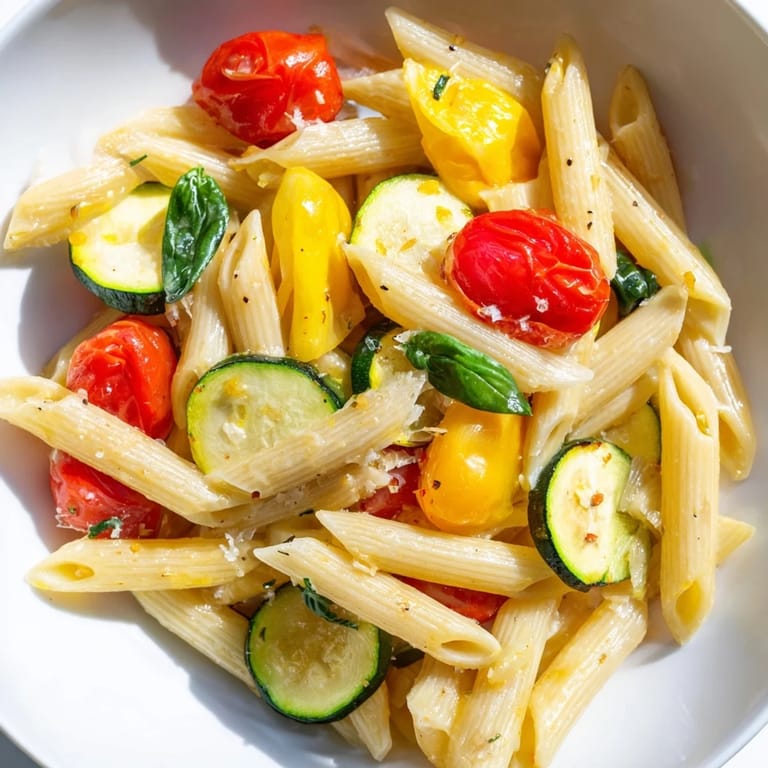
Save One night I made this for a potluck and forgot to bring serving spoons. Everyone just stood around the skillet on the counter with forks, laughing and eating straight from the pan until it was gone. Someone said it tasted better that way, and I think they were right.
How to Pick the Best Vegetables
Small to medium zucchini and squash are sweeter and have fewer seeds than the giant ones that look impressive at the market. Press gently on the tomatoes and choose ones that give just a little but are not squishy or leaking. If your vegetables are not perfectly ripe, a pinch of sugar in the pan with the tomatoes will help them taste like they came from a garden instead of a grocery store cooler.
Make It Your Own
Toss in a handful of baby spinach or arugula at the end for extra greens that wilt into the hot pasta without any effort. Diced bell peppers add a sweet crunch if you sauté them with the squash, and a few spoonfuls of ricotta stirred in at the end make it feel more luxurious. I have also added white beans for protein and leftover rotisserie chicken when I needed to stretch it for more people.
Storing and Reheating
Leftovers keep in the fridge for up to three days in an airtight container, though the pasta will soak up some of the moisture overnight. Reheat gently in a skillet with a splash of water or broth to loosen everything back up, or eat it cold as a pasta salad with a squeeze of lemon and a drizzle of olive oil.
- Do not microwave it on high or the vegetables will turn rubbery and the pasta will dry out into clumps.
- Add a handful of fresh basil and a little more Parmesan when reheating to wake up the flavors.
- If the pasta feels too soft after storing, toss it with crunchy raw vegetables like diced cucumber or radish for contrast.
 Save
Save This is the kind of recipe that makes you feel like a better cook than you actually are. Serve it on a weeknight or a Sunday afternoon, and it will always taste like the best decision you made all day.
Recipe FAQs
- → Can I use different pasta shapes?
Yes, any pasta shape works well. Penne and fusilli are ideal for catching the vegetable pieces, but spaghetti, rigatoni, or shells are equally delicious.
- → How do I make this dish vegan?
Simply omit the Parmesan cheese or substitute it with a plant-based alternative. The pasta and vegetables are naturally vegan-friendly, making this an easy adaptation.
- → Can I prepare this ahead of time?
Cook the pasta and vegetables separately, then store them in airtight containers in the refrigerator for up to 3 days. Toss together just before serving with fresh basil for best flavor.
- → What vegetables can I add or substitute?
Bell peppers, spinach, eggplant, and mushrooms all work wonderfully. Add heartier vegetables earlier in cooking and tender greens at the end for optimal texture.
- → Why is pasta water important?
Pasta water contains starch that helps create a silky sauce coating the noodles. It helps the olive oil and vegetable juices emulsify, ensuring even distribution of flavors throughout the dish.
- → What wine pairs best with this dish?
Crisp white wines like Sauvignon Blanc or Pinot Grigio complement the fresh flavors beautifully. Their acidity cuts through the richness of the olive oil.