 Save
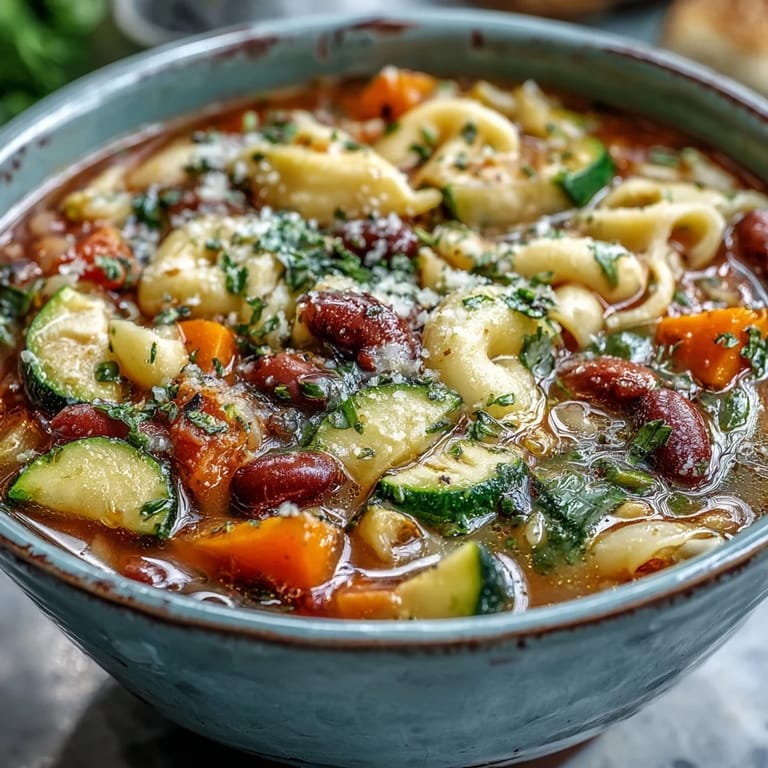
Save I discovered minestrone during a blustery autumn evening when nothing but a steaming bowl of comfort would do. Standing in my tiny apartment kitchen with rain pattering against the windows, I tossed together the vegetables lingering in my crisper drawer and opened a dusty can of beans. The aroma that filled my kitchen that night transformed my understanding of what vegetable soup could be. That improvised pot became the foundation for what's now my most requested recipe among friends.
Last winter, my neighbor slipped on ice outside our building and broke her ankle. While she recovered, I started bringing over containers of this minestrone. What began as a simple gesture turned into weekly soup deliveries where wed chat about our weeks over steaming bowls. By spring, shed healed completely, but our Thursday soup tradition continued through all seasons, with her now bringing fresh bread to pair with my minestrone.
Ingredients
- Olive oil: Use a good quality extra virgin here it creates the foundation flavor for the entire soup, and I learned the hard way that skimping on oil quality makes a noticeable difference.
- Onion, carrots, and celery: This classic mirepoix trinity isnt just traditional its essential for building that deep flavor base that makes you close your eyes when you take the first spoonful.
- Two types of beans: The contrast between creamy cannellini and heartier kidney beans creates textural interest in every bite, plus they contribute different nutritional profiles.
- Small pasta: Tiny shapes like ditalini or small shells absorb the broth while maintaining their structure, making each spoonful more substantial without overwhelming the vegetables.
- Seasonal greens: Dont be shy with the spinach or kale they collapse dramatically, and adding more than you think gives the soup both nutrition and a gorgeous color contrast.
Tired of Takeout? 🥡
Get 10 meals you can make faster than delivery arrives. Seriously.
One email. No spam. Unsubscribe anytime.
Instructions
- Build Your Flavor Base:
- Heat olive oil in a large pot until it shimmers, then add your diced onion, carrots, and celery. Listen for that gentle sizzle that means magic is happening as they soften and release their aromatics.
- Layer in More Vegetables:
- Once your base vegetables have softened and become fragrant, stir in the garlic, zucchini, and green beans. The kitchen should now be filling with an irresistible savory aroma.
- Create Your Broth Foundation:
- Pour in those tomatoes and watch how they instantly transform everything with their bright color. Add the vegetable broth and dried herbs, then bring everything to a cheerful bubble before reducing to a simmer.
- Add Pasta and Beans:
- Once your vegetables have had time to release their flavors, its time for the pasta and beans to join the party. Keep an eye on the pasta its ready when tender but still has a bit of bite.
- Finish with Greens:
- Just before serving, stir in your chopped greens and watch them wilt into the hot soup. This last-minute addition preserves their vibrant color and nutrients.
- Garnish and Serve:
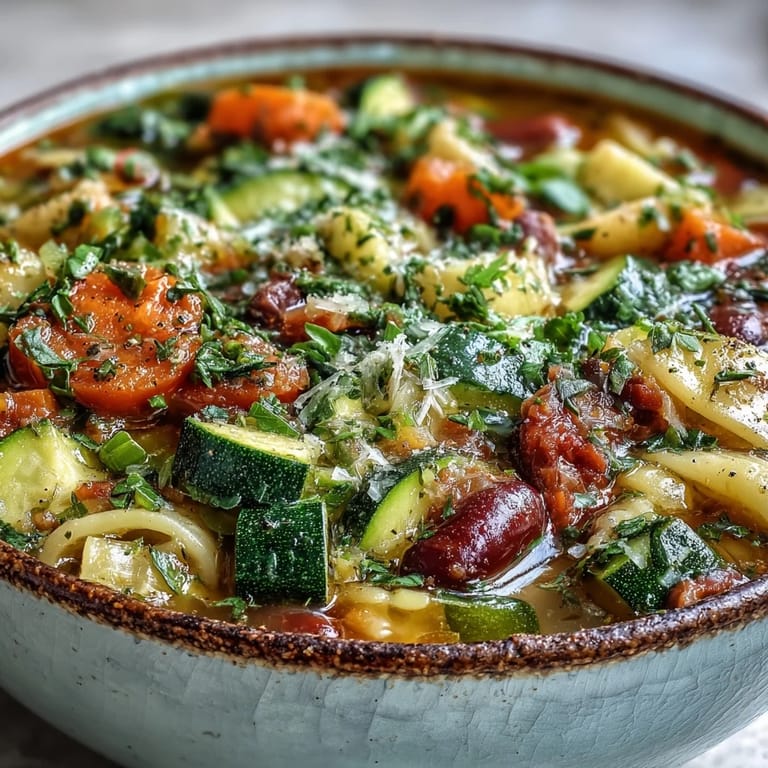
- Ladle this beautiful patchwork of vegetables and pasta into warmed bowls. A shower of Parmesan, fresh herbs, and a thread of good olive oil elevates the entire experience.
 Save
Save My grandmother visited from Italy last spring and watched me make my version of minestrone with an amused smile. Instead of critiquing my departures from tradition, she simply tasted a spoonful, nodded approvingly, and whispered that good food is about feeding people you love, not following rules. That moment in my kitchen, her weathered hand patting mine as we seasoned the pot together, made this soup taste better than any recipe could describe.
Seasonal Adaptations
Summer minestrone in my kitchen means swapping winter squash for vibrant yellow summer squash, adding fresh corn kernels cut straight from the cob, and finishing with torn basil from the pot on my windowsill. Fall brings butternut squash chunks and hearty cavolo nero kale. Winter calls for potatoes and cabbage for extra substance, while spring welcomes fresh peas and asparagus tips. This chameleon-like ability to transform with the seasons keeps this recipe in constant rotation without ever feeling repetitive.
Make It a Meal
While minestrone is substantial enough to stand alone, I've discovered some perfect accompaniments over years of serving it at impromptu gatherings. A loaf of crusty sourdough bread, still warm if you're lucky, makes the ideal companion for catching every last drop of that savory broth. For dinner parties, I pair it with a simple arugula salad dressed with lemon and Parmesan, plus a bottle of light-bodied Sangiovese that complements the tomato-based soup without overwhelming it.
Storage and Leftovers
Minestrone is one of those rare dishes that actually improves with time as the flavors meld and deepen. I've learned to make double batches specifically for the leftovers, portioning them into glass containers once cooled for easy lunches throughout the week. The soup freezes beautifully for up to three months, becoming my personal emergency meal stash for hectic workdays or unexpected company.
- If freezing, slightly undercook the pasta and add extra broth as it will continue to absorb liquid even when frozen.
- Refresh leftovers with a splash of broth and a new garnish of herbs and cheese to make it feel brand new.
- Consider portioning without pasta and adding freshly cooked pasta to each reheated serving for the best texture experience.
 Save
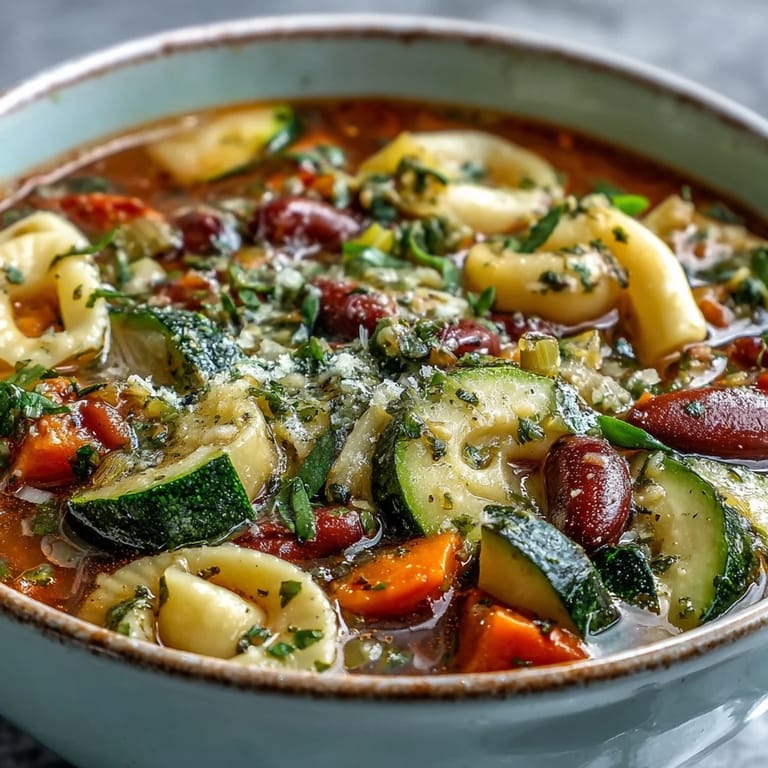
Save This minestrone has taught me that true comfort food isnt just about the eating its about the making, sharing, and memories woven into each ingredient. Whether youre cooking for yourself or gathering loved ones around your table, I hope it brings you the same warmth and connection it has brought to my home.
Recipe FAQs
- → What vegetables work best in minestrone?
Traditional minestrone includes onions, carrots, celery, zucchini, green beans, and leafy greens like spinach or kale. You can also add potatoes, cabbage, or peas based on seasonality and preference.
- → Can I make this ahead of time?
Absolutely. Minestrone actually tastes better the next day as flavors meld. Store in the refrigerator for up to 4 days, but note that the pasta will continue absorbing liquid—add extra broth when reheating if needed.
- → What type of pasta is traditionally used?
Small pasta shapes like ditalini, elbow macaroni, or small shells work best because they hold up well in liquid and are easy to spoon. You can also use broken spaghetti or orzo.
- → Is minestrone suitable for freezing?
Yes, freeze for up to 3 months. For best results, slightly undercook the pasta since it will soften during reheating. Consider freezing without pasta and adding fresh pasta when reheating.
- → How do I make this vegan?
Simply omit the Parmesan cheese garnish or use a plant-based alternative. The soup base is naturally vegan, relying on olive oil and vegetables rather than meat or dairy for flavor.
- → What's the difference between minestrone and other vegetable soups?
Minestrone specifically includes pasta and beans alongside vegetables, creating a thicker, more substantial dish. The tomato-based broth and Italian herb blend also distinguish it from lighter vegetable-forward soups.