 Save
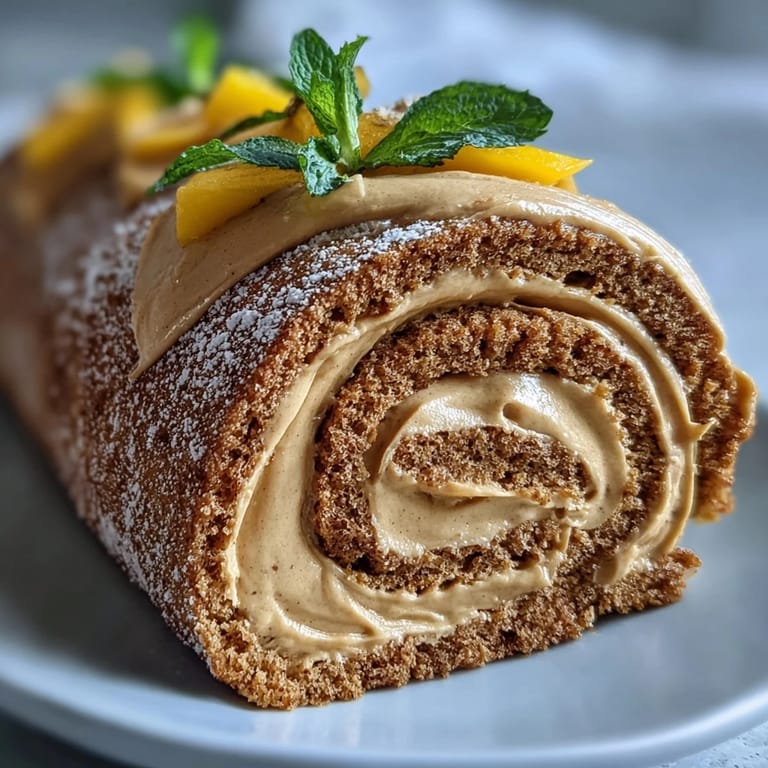
Save The first time I encountered hojicha, I was sitting in a tiny Tokyo café watching steam curl off my cup. The roasted, nutty aroma felt like being wrapped in a warm blanket, and I knew immediately this wasn't just tea, it was a memory waiting to happen. When I started experimenting with baking, incorporating that distinctive smoky sweetness into a roll cake felt like discovering a secret handshake between Japanese tradition and Western technique. Now, whenever that toasty fragrance fills my kitchen, I'm transported back to that rainy afternoon in Shinjuku.
Last summer, my neighbor's daughter came over while I was rolling the cake. She watched, wide-eyed, as I inverted the warm sponge onto parchment, and asked if I was doing magic tricks. When I sliced the finished roll later, revealing that perfect spiral swirl, she declared it better than any bakery cake, and honestly, I had to agree with her. There's something deeply satisfying about serving something that looks like it requires professional skills but came from your own oven.
Ingredients
- 4 large eggs, separated: Room temperature eggs whip up beautifully and create the stable structure this sponge needs
- 80 g granulated sugar (divided): Splitting the sugar between yolks and whites gives you the best of both worlds—flavor and stability
- 60 ml whole milk: Full-fat milk creates a tender crumb that won't dry out even after chilling
- 50 ml vegetable oil: Oil keeps the sponge moist longer than butter, which is crucial for roll cakes that sit in the fridge
- 70 g cake flour, sifted: The lower protein content ensures a delicate texture that rolls without cracking
- 10 g cornstarch: This little addition softens the flour just enough for that cloud-like texture
- 1 tbsp hojicha powder: The star of the show, look for a deep reddish-brown color for the most robust flavor
- 1/4 tsp salt: Just enough to make the hojicha's notes sing without making the cake taste savory
- 200 ml heavy cream: Don't skimp on fat content here, 35% minimum gives you that luxurious mouthfeel
- 2 tbsp powdered sugar: Powdered sugar dissolves instantly into cold cream without grit
- 2 tsp hojicha powder: Sift this into the cream to prevent any lumps from forming
- 1 ripe mango: Choose one that gives slightly to pressure but still feels firm, about 2-3 days from fully ripe
Tired of Takeout? 🥡
Get 10 meals you can make faster than delivery arrives. Seriously.
One email. No spam. Unsubscribe anytime.
Instructions
- Prepare your workspace:
- Preheat the oven to 170°C (340°F) and line a 23 x 33 cm baking tray with parchment, letting it overhang the longer sides for easy removal later
- Build the yolk base:
- Whisk the egg yolks with 40 g sugar until pale and creamy, then whisk in the milk and vegetable oil until the mixture looks like glossy emulsion
- Incorporate the dry ingredients:
- Sift together the cake flour, cornstarch, hojicha powder, and salt directly over the yolk mixture, then fold gently until just combined—some small lumps are fine
- Create the meringue:
- In a completely clean bowl, beat the egg whites until foamy, then gradually rain in the remaining 40 g sugar while continuing to beat until you have stiff, glossy peaks
- Marriage of batters:
- Fold one third of the meringue into the yolk mixture to lighten it, then gently fold in the remaining meringue in two more additions, using a rubber spatula and cutting through the center rather than stirring
- Bake to perfection:
- Pour the batter into your prepared tray and smooth the surface, then tap the tray firmly against the counter twice to release any trapped air bubbles before baking for 13-15 minutes until the cake springs back when touched
- The cooling trick:
- Immediately invert the hot cake onto a fresh sheet of parchment, peel away the baking paper while it's still warm, then cover loosely with a clean kitchen towel and let cool completely
- Whip the hojicha cream:
- Beat the chilled heavy cream with powdered sugar and hojicha powder until medium-stiff peaks form—you want it thick enough to hold its shape but still spreadable
- Assemble with confidence:
- Spread the cream evenly over the cooled sponge, arrange mango strips along one short edge, then use the parchment to help you roll the cake tightly, wrapping it in parchment and chilling for at least 30 minutes before slicing
 Save
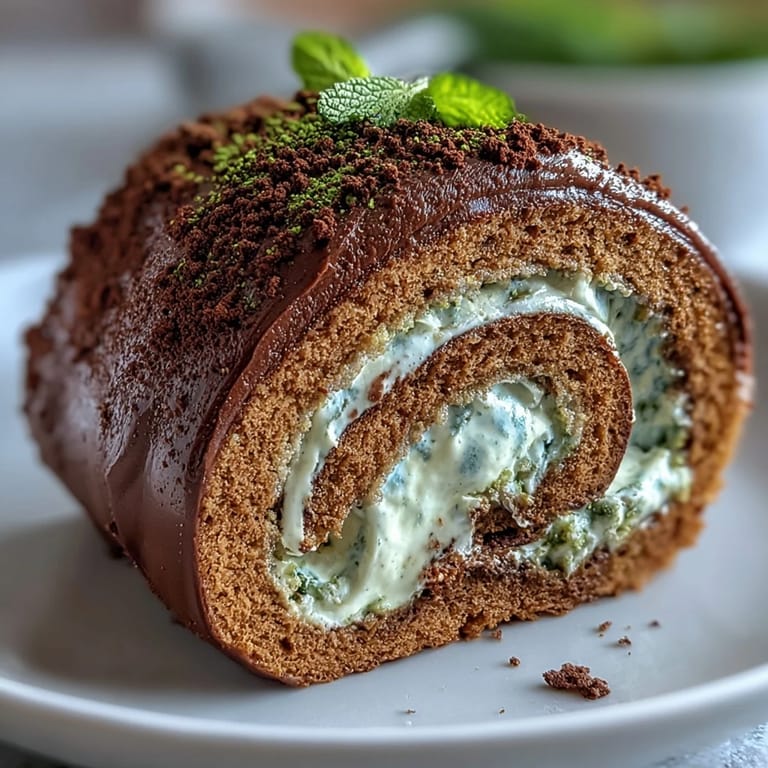
Save My aunt, who's been baking Japanese cakes for decades, told me something that changed everything: she said roll cakes taste better the next day, when the flavors have had time to get acquainted. Now I always make mine the night before serving, and she was absolutely right, that overnight rest transforms it from delicious to extraordinary.
Getting the Roll Right
The secret to a tight crack-free roll is confidence, not hesitation. Once you start rolling, keep going without stopping or readjusting, using the parchment paper to guide you rather than your hands directly touching the sponge. I've found that starting from the filled edge and rolling toward the empty edge gives you more control over the final shape.
Flavor Variations
While mango is my favorite contrast to hojicha's earthiness, I've discovered that thinly sliced persimmons work beautifully in autumn, and fresh strawberries add a lovely brightness in spring. During winter, I sometimes skip the fruit entirely and fold some white chocolate chunks into the cream instead for a dessert that feels extra indulgent.
Serving Suggestions
This cake deserves to be the star, so I serve it simply on its own or with a cup of hojicha tea to echo the flavors within. The best temperature for serving is slightly chilled but not refrigerator-cold, about 15 minutes out of the fridge. For dinner parties, I dust the whole roll with powdered sugar just before slicing to give it that professional finish.
- Use a sharp knife warmed under hot water and wiped dry between slices for the cleanest cuts
- Trim the very ends of the roll before serving to show off the beautiful spiral
- Leftovers keep well for 2-3 days in the refrigerator, though they rarely last that long in my house
 Save
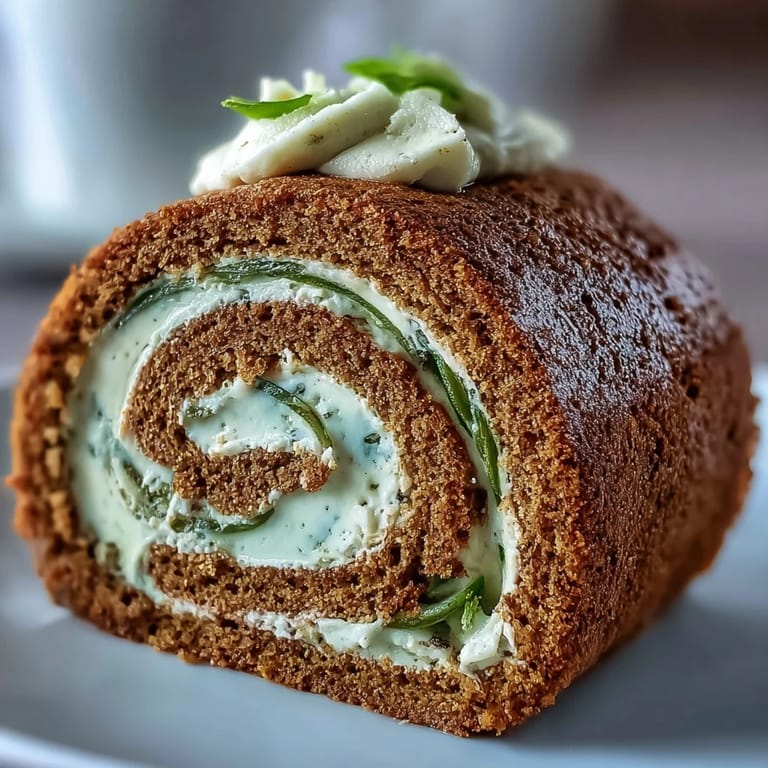
Save There's something magical about slicing into that spiral and seeing the creamy hojicha filling dotted with bright mango pieces, a little surprise in every bite that reminds me why I fell in love with baking in the first place.
Recipe FAQs
- → What does hojicha taste like?
Hojicha has a distinctive roasted, nutty flavor with earthy notes and lower caffeine than other green teas. It's less grassy and more mellow than matcha, with warm toffee-like undertones that pair beautifully with cream.
- → Can I make the sponge ahead of time?
Yes, you can bake the sponge a day in advance. Wrap it tightly in plastic wrap once completely cooled and store at room temperature. Fill and roll it the next day for best results.
- → Why did my sponge crack when rolling?
Cracking usually happens when the sponge is too cold or overbaked. Roll the sponge while slightly warm, and don't overbake—it should spring back when lightly touched. Using a clean towel to help guide the roll also prevents cracking.
- → Can I substitute the mango filling?
Absolutely. Fresh strawberries, peaches, or even roasted sweet potato work wonderfully. You can also skip the fruit entirely for a pure hojicha experience, or add a layer of red bean paste for a more traditional Japanese touch.
- → How should I store this roll cake?
Keep refrigerated in an airtight container or wrapped in plastic. It's best consumed within 2-3 days. The texture remains excellent thanks to the stable whipped cream filling, though the sponge may absorb some moisture over time.
- → Is hojicha powder the same as matcha?
No, they're different. Hojicha is made from roasted green tea leaves and buns, giving it a reddish-brown color and roasted flavor. Matcha is shade-grown, unroasted, and vibrant green. They're not interchangeable in this dessert.