 Save
Save The first time I really understood satay sauce was watching my neighbor stirring a small pot on her stovetop, the kitchen filling with this intoxicating mix of coconut, peanut, and lime. She'd learned it from her mother in Jakarta, and the way she moved through each step—unhurried, tasting constantly—made me realize this wasn't just a dip. It was a conversation between ingredients that somehow felt personal.
Years later, I made this for a backyard dinner and watched people go quiet when they tasted it—that moment when everyone reaches for another skewer because they can't quite name what they're tasting but they need more of it. That's when I knew I'd gotten it right.
Ingredients
- Creamy peanut butter: Use unsweetened and unsalted so you control the flavor; the oil on top is your friend, not something to drain away.
- Coconut milk: Full-fat is non-negotiable here—the thin stuff won't give you that silky richness that makes this sauce special.
- Soy sauce: Two tablespoons is the backbone of umami; it's what makes people wonder what that savory depth is coming from.
- Fresh lime juice: Bottled won't do it justice—one fresh lime squeezed in changes everything about how bright this tastes.
- Brown sugar: A tablespoon feels small but it softens the heat and sharpens the spices; palm sugar is even better if you can find it.
- Garlic clove: Minced fine so it dissolves into the sauce rather than leaving little chunks.
- Ground coriander and cumin: These two create that warm, slightly toasted foundation that makes people think of street markets and long afternoons.
- Chili flakes: Start with a quarter teaspoon—you can always add more but you can't take it back, and the heat builds as it sits.
- Fish sauce: Optional but revelatory; just a teaspoon lifts everything into focus, though vegetarians can skip it without guilt.
Tired of Takeout? 🥡
Get 10 meals you can make faster than delivery arrives. Seriously.
One email. No spam. Unsubscribe anytime.
Instructions
- Melt the foundations together:
- In a small saucepan, warm the peanut butter and coconut milk over medium heat, whisking until they're completely smooth and unified. This takes a minute or two and sets the creamy stage everything else builds on.
- Build the flavor layers:
- Add the soy sauce, lime juice, brown sugar, minced garlic, coriander, cumin, chili flakes, and salt all at once, stirring well so every spice finds its way into the mix. The sauce should smell suddenly alive and complex.
- Coax it to a simmer:
- Bring the mixture to a gentle simmer over medium heat, stirring often to keep the bottom from catching. You're not looking for aggressive bubbles, just a quiet murmur that shows it's becoming something thicker and more concentrated.
- Let it thicken:
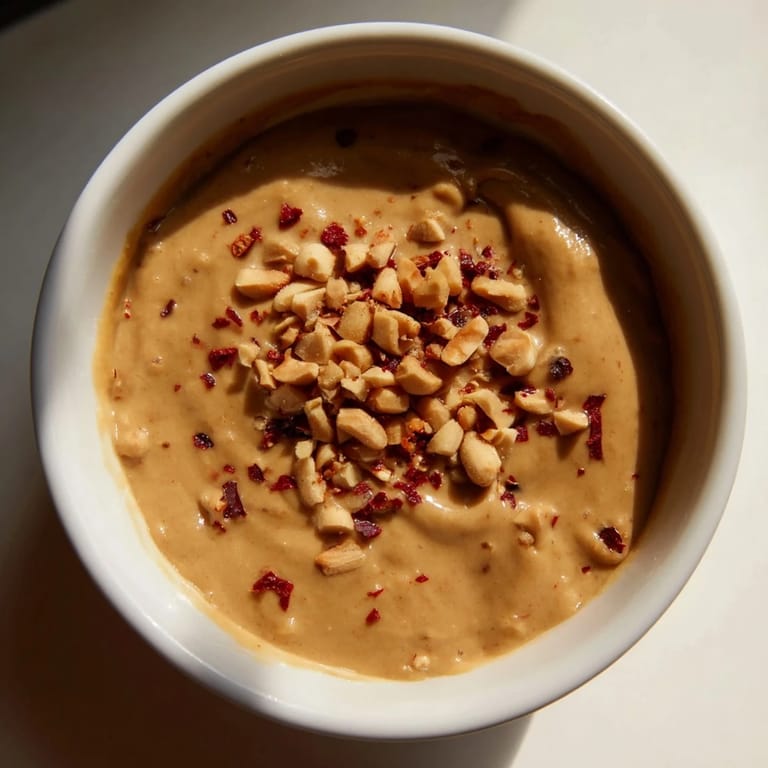
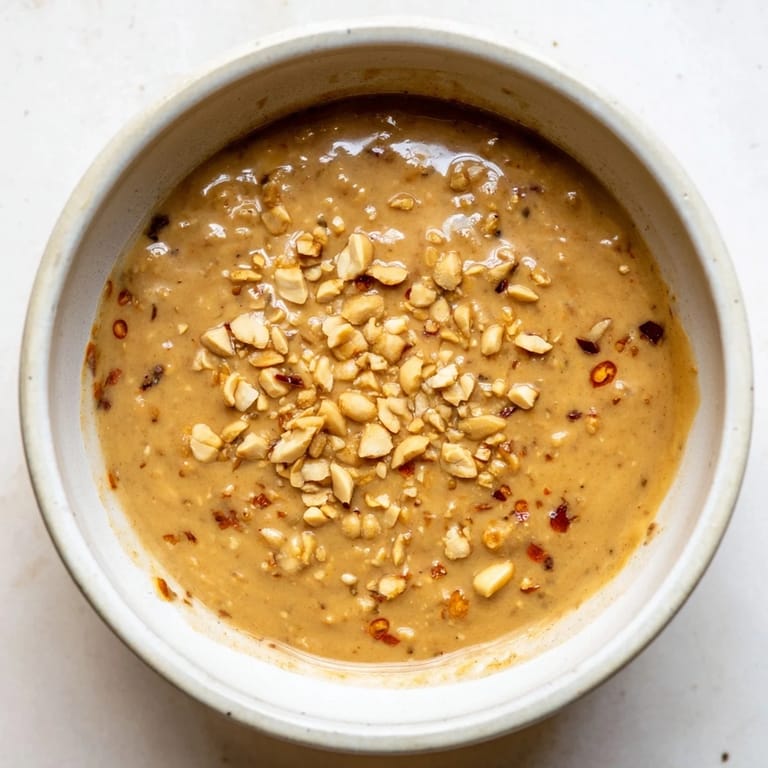
- Cook for three to five minutes, watching as the sauce darkens slightly and develops a glossy sheen. This is when it goes from thin dip to something that clings properly to whatever it touches.
- Taste and tune:
- Remove from heat and taste it now, while it's warm and flavors are most alive. Add more lime if it needs brightness, more sugar if it's too sharp, more chili if you want to turn up the heat.
- Adjust the texture:
- If it's thicker than you want, whisk in water a tablespoon at a time until it flows the way you like. If you're using fish sauce, stir it in now and let the pot sit for a moment so it disperses fully.
- Cool and serve:
- Let it rest off the heat for a few minutes before moving it to a bowl, which gives it time to settle into itself and lets the flavors meld one last time.
 Save
Save I learned the hard way that this sauce is best not made ahead; it tastes brightest when served within an hour of finishing, while the spices are still singing and the coconut is still perfectly silky. But it's also the kind of thing you can make in the time it takes your grill to heat up.
The Art of Stirring
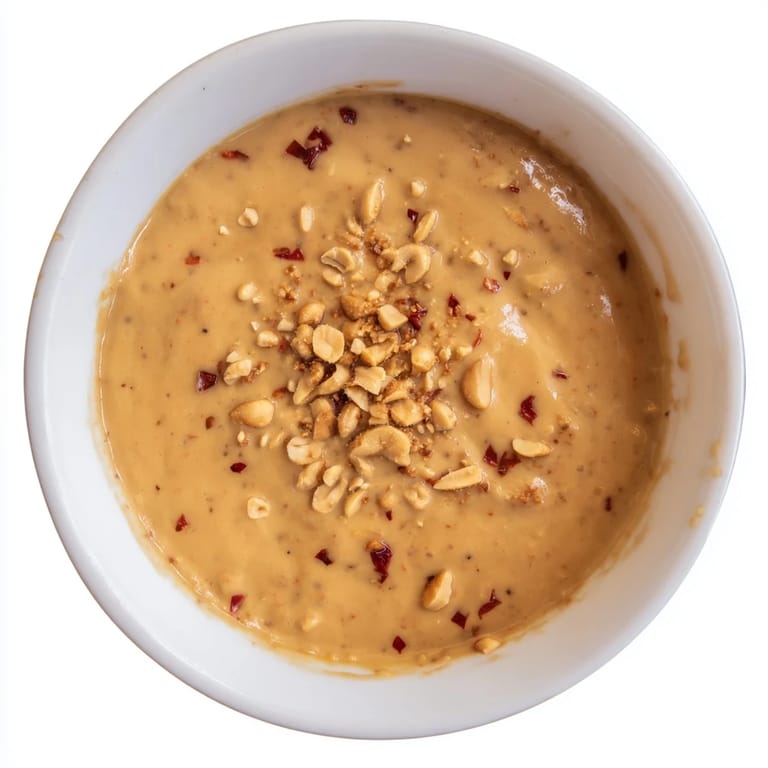
There's something meditative about stirring this sauce—the resistance of the peanut butter, the way the color shifts from tan to amber as it heats, how your spoon starts to move through something heavier and more luxurious than what you started with. It's one of those small kitchen moments where you're not fighting the ingredients but dancing with them. Pay attention to the bottom of the pan; that's where the magic happens and where things can catch if you stop paying attention.
Beyond the Skewer
Most people think of this as satay sauce, and it is, but it's also a doorway into so many other dishes. I've drizzled it over roasted cauliflower, stirred it into rice noodle bowls, used it as the sauce for grilled shrimp, and even spread a thin layer under crispy tofu. It's become one of my default sauces when I'm building a meal from whatever is in the kitchen and need something with this particular kind of warmth and depth.
Keeping It Fresh and Flexible
Refrigerated, this keeps for about five days, though I find it's best in the first two days when everything is still bright. To reheat, warm it gently on the stovetop or in a microwave bowl, adding a splash of water if it's gotten too thick. If you want to go rogue, you can stir in two tablespoons of crushed roasted peanuts at the end for texture, add an extra squeeze of lime if you're feeling citrus-forward that day, or thin it with coconut milk instead of water to make it even richer.
- Make a double batch and keep it on hand; it's the kind of sauce that solves last-minute dinner problems.
- Room temperature actually shows off the flavors better than ice-cold, so pull it from the fridge ten minutes before serving.
- This works with any protein or vegetable your kitchen has seen all week.
 Save
Save This sauce became one of those recipes I make almost without thinking now, the one I reach for when I want something that feels special without being complicated. It's the kind of thing that reminds you why you love cooking in the first place.
Recipe FAQs
- → What ingredients create the creamy texture?
The creamy texture comes mainly from unsweetened peanut butter and full-fat coconut milk whipped together until smooth.
- → Can this sauce be made gluten-free?
Yes, by using gluten-free soy sauce alternatives like tamari or coconut aminos, the sauce is suitable for gluten-free diets.
- → How can I adjust the spiciness level?
Modify the amount of chili flakes to increase or reduce heat according to your taste preferences.
- → Is it possible to make the sauce thinner?
Yes, adding 1–2 tablespoons of water while whisking helps achieve a thinner consistency.
- → How long can the sauce be stored safely?
Store refrigerated for up to 5 days and rewarm gently before serving for best flavor and texture.
- → Can fish sauce be omitted or substituted?
Fish sauce is optional; omit it for a vegetarian version or enhance umami flavors with soy sauce alternatives.