 Save
Save My neighbor stopped by one autumn afternoon with a jar of homemade sauerkraut, insisting I had to try it warm with apples. I was skeptical—sauerkraut felt like a cold condiment to me—but twenty minutes later, the kitchen smelled like caramelized fruit and fermented earth in the most inviting way. That first bite changed how I thought about salads entirely. Tangy, slightly sweet, unexpectedly comforting, and ready in under half an hour. Now I make this whenever I want something that feels both nourishing and a little bit special.
I've served this at a small dinner party where half the guests were skeptical about sauerkraut, and by the end they were asking for the recipe. There's something disarming about warm, slightly sweet and sour food—it doesn't announce itself as trendy or complicated, it just tastes honest and right. My friend Sarah said it reminded her of her German grandmother's kitchen, which felt like the highest compliment.
Ingredients
- Apples (Honeycrisp or Gala): Choose ones that hold their shape when sautéed but still soften enough to meld with the sauerkraut; avoid mealy varieties that collapse into mush.
- Fresh sauerkraut: If you can find it unpasteurized and refrigerated, the probiotics survive cooking better and the flavor tastes more alive and complex.
- Red onion: The slight sweetness and color add visual warmth; white onion works but won't give you that same gentle purple hue.
- Olive oil: Nothing fancy needed, just something you'd drizzle on bread; it's your cooking base, not the star.
- Apple cider vinegar: The acidity cuts through richness and echoes the tanginess already in the sauerkraut without overwhelming it.
- Caraway seeds: These are optional but they're the secret handshake—one minute of toasting and they unlock this nutty, slightly peppery dimension that feels European and elegant.
- Honey or maple syrup: Just a teaspoon balances the sharp notes; it's not about sweetness, just about harmony on the tongue.
Tired of Takeout? 🥡
Get 10 meals you can make faster than delivery arrives. Seriously.
One email. No spam. Unsubscribe anytime.
Instructions
- Get Your Skillet Ready:
- Warm the olive oil over medium heat until it shimmers slightly—you'll hear a gentle sizzle when the first piece of apple hits the pan. This is your signal that everything's ready to cook at just the right pace.
- Sauté the Apples and Onion:
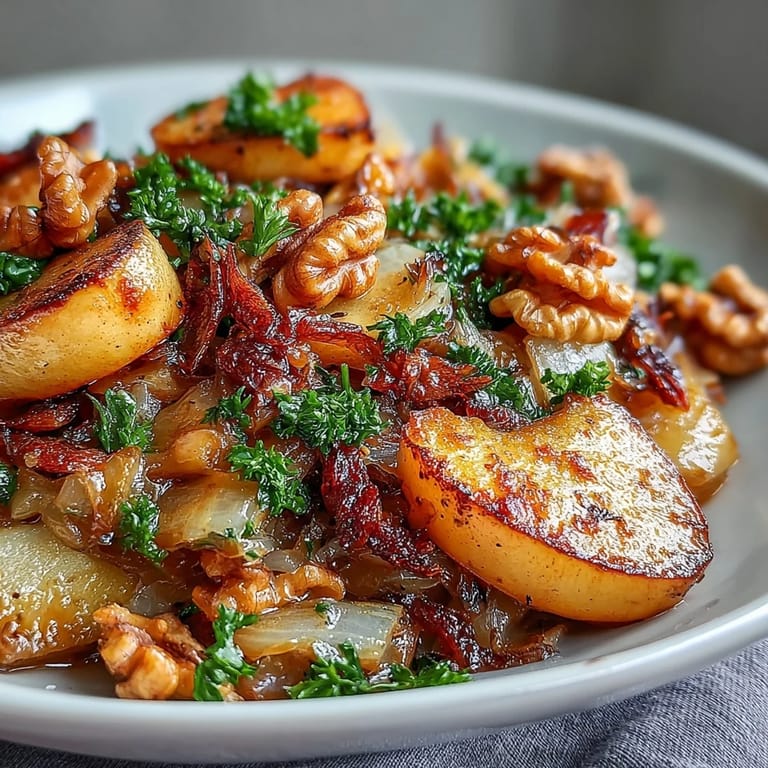
- Add your sliced apples and red onion, stirring every minute or so as they soften and their edges catch the heat, turning golden and translucent. The kitchen will smell like late summer, and you'll know you're close when the onion starts to turn soft and the apples look like they're slightly caramelizing at the edges.
- Toast the Caraway Seeds:
- If you're using them, add them now and let them sit for just a minute, stirring once—you'll smell their warmth release into the pan, nutty and a little bit peppery. This step feels small but it's the moment the dish shifts from simple to intentional.
- Bring in the Sauerkraut:
- Add your drained sauerkraut along with the apple cider vinegar, honey, and black pepper, then toss everything gently until it's all mixed together. Let it warm for just two or three minutes—you're not trying to cook it further, just let it all come to the same gentle temperature and get acquainted.
- Taste and Adjust:
- Before you finish, take a bite directly from the skillet if you can—taste what you've created. If it needs salt, add a small pinch at a time; sauerkraut is already salty, so go slow and taste between additions.
- Finish and Serve:
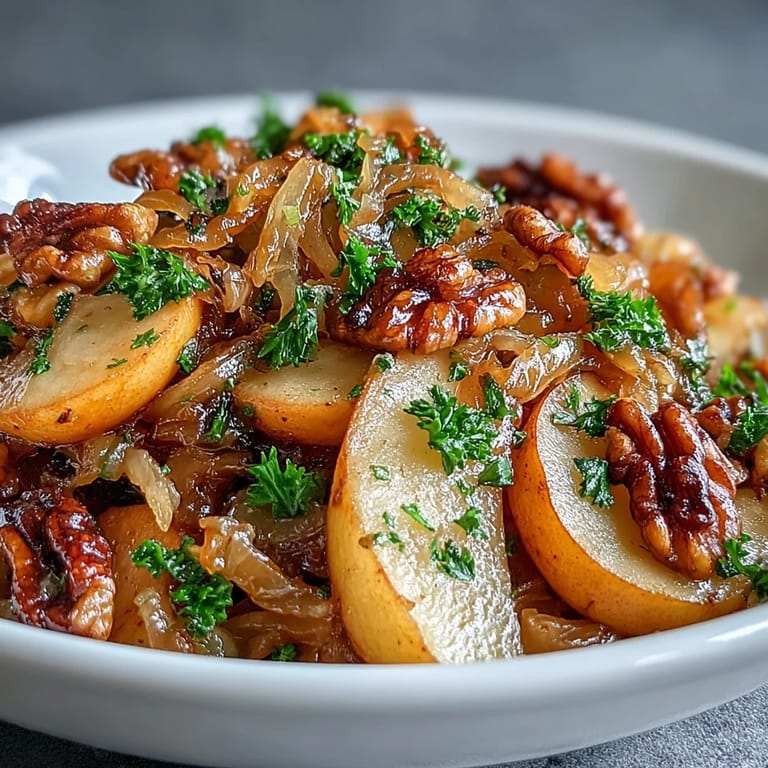
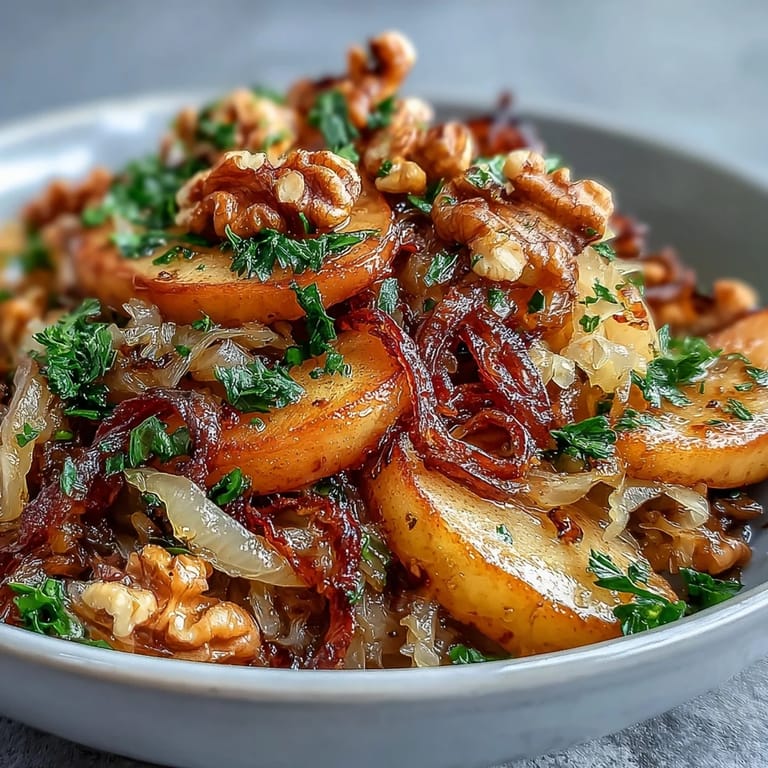
- Transfer everything to a serving bowl or platter, then scatter the fresh parsley and toasted nuts over the top. The garnish isn't just decoration—the brightness of parsley and the crunch of nuts complete the experience.
 Save
Save There's a moment about halfway through eating this when you stop thinking about whether it's healthy or trendy, and you just exist in the texture and warmth and flavor of it. It becomes the kind of food that fits many occasions—a quiet lunch by yourself, a side at a bigger meal, or something to bring to someone who's been under the weather. That's when you know you've found something worth keeping.
Why Apples and Sauerkraut Work So Well Together
There's an old German tradition here that's not about nostalgia but about balance. Apples are sweet and slightly acidic, which matches sauerkraut's fermented tang note for note. When you warm them together, neither overwhelms the other—instead they create this gentle call-and-response that feels natural and inevitable, like they were always meant to meet in a skillet. The warmth softens both their edges, making them approachable rather than challenging.
Variations That Actually Make Sense
The beauty of this recipe is that it transforms easily depending on what you have and what you're hungry for. A handful of thinly sliced fennel adds licorice notes that pair beautifully with the caraway. If you want more protein, crumbled kielbasa or smoked tofu both integrate seamlessly without demanding to be the center of attention. I've even added a tablespoon of whole grain mustard at the end, which sounds odd until you taste it—the mustard sharpness plays perfectly against the sweet apple.
Making It Your Own
The first time you make this, follow the recipe as written so you understand how the pieces fit together. After that, you own it—swap the apple variety based on what's in season, adjust the sweetness if you prefer things more tart or more round, use whatever nuts you have on hand or skip them entirely if you prefer the texture pure. This dish isn't fragile; it's forgiving and patient, waiting for you to make it feel like yours.
- Granny Smith apples intensify the tartness, while Honeycrisp or Gala keep things sweeter and more approachable.
- Toasting your own walnuts or pecans just before serving makes them brighter than store-bought toasted nuts.
- Leftover sauerkraut keeps for days in the fridge, so don't worry about having extra—it only gets more flavorful.
 Save
Save Make this when you want to feel like you're taking care of yourself without it feeling like a sacrifice. It's the kind of dish that whispers instead of shouts, and somehow that makes you listen more closely.
Recipe FAQs
- → What type of apples work best?
Honeycrisp or Gala apples offer ideal sweetness and texture. Granny Smith adds extra tartness if you prefer a sharper flavor profile.
- → Can I make this ahead?
Yes, prepare everything in advance and reheat gently in a skillet. The flavors actually improve after resting overnight.
- → Is this suitable for meal prep?
Absolutely. Store in an airtight container for up to 4 days. Reheat on the stovetet or enjoy cold as a fermented salad.
- → What proteins pair well?
Grilled sausages, smoked tofu, or cooked kielbasa complement the tangy flavors. Add directly to the skillet or serve alongside.
- → Can I use homemade sauerkraut?
Homemade ferments work wonderfully and often contain more diverse probiotics. Drain well before adding to prevent excess liquid.
- → How do I adjust sweetness?
Use honey for traditional sweetness or maple syrup to keep it vegan. Start with one teaspoon and add more to taste after cooking.