 Save
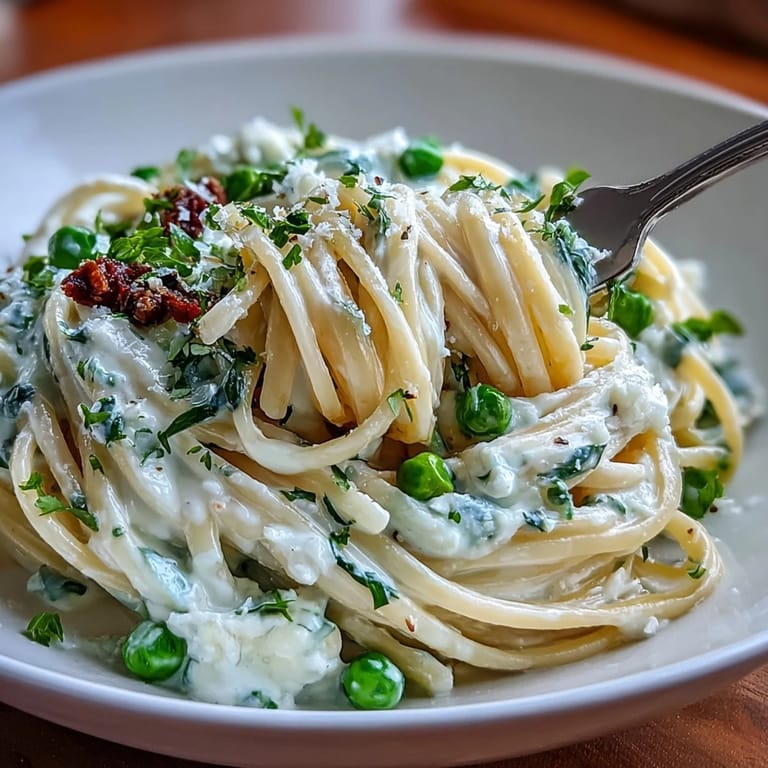
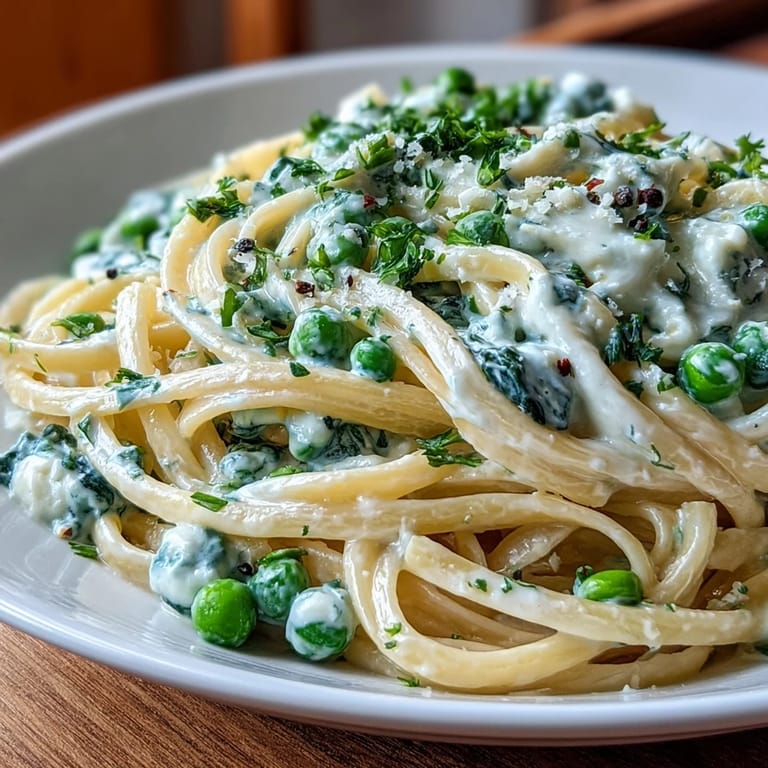
Save Sunlight poured into my kitchen the first time I threw together this ricotta and lemon linguine, casting gentle shadows over a countertop scattered with bright peas and fragrant lemons. I’d spent the morning at a busy farmer’s market, persuading myself that spring should taste as vivid as it feels. The hum of boiling water and the zip of zesting lemon instantly made my small kitchen smell like optimism. Sometimes, the best meals are the ones that seem to assemble themselves out of hope and a handful of fresh ingredients. Creating this dish felt like bottling the first day of spring for the table.
One Tuesday, my friend Julia dropped by with a bottle of white wine and stories from her chaotic office—this pasta simmered on the stove as we both unwound. Between laughs, I realized that stirring the ricotta and tossing the linguine became a soothing background to our hurried week. Serving up steaming bowls, we clinked glasses and grinned like we’d stolen time itself. In less than half an hour, we’d both settled into the kind of comfort that only good food and friendship can provide.
Ingredients
- Linguine (400 g): Shiny and slippery, this flat pasta soaks up the ricotta-lemon sauce beautifully—remember not to overcook.
- Fresh or frozen peas (1 cup): Their sweet pop is what turns ordinary pasta into spring in a bowl; don’t skip if you can help it.
- Garlic (2 cloves, minced): Gently sautéed, it’s a mellow base note—avoid browning to keep the flavor soft.
- Lemon zest (from 1 lemon): Use unwaxed lemons and zest before juicing for bright, genuine flavor.
- Fresh lemon juice (2 tbsp): Adds just the right zing—a little more if you’re feeling bold.
- Fresh parsley (2 tbsp, chopped): Scattered over the top, it finishes each portion with color and fresh taste.
- Ricotta cheese (1 cup): Creamy and light, it’s the heart of the sauce; stir gently for a smooth texture.
- Parmesan cheese (1/2 cup, grated): Salty, nutty, and key for umami depth—grate fresh if possible.
- Extra-virgin olive oil (2 tbsp): Sautéing the garlic in good oil makes all the difference, so use your favorite.
- Salt (1/2 tsp, plus for pasta water): Season both your pasta water and the sauce for layered flavor.
- Freshly ground black pepper (1/4 tsp): Adds the final subtle heat that awakens the whole dish.
Tired of Takeout? 🥡
Get 10 meals you can make faster than delivery arrives. Seriously.
One email. No spam. Unsubscribe anytime.
Instructions
- Get Your Water Bubbling:
- Fill a big pot with water and add a generous pinch of salt—it should remind you of a day at the beach. Once boiling, slide in the linguine and give it an occasional swirl so it doesn’t stick.
- Start the Spring Base:
- Warm the olive oil in a skillet over medium heat, then add garlic—listen for a soft sizzle, not a fierce one, for a mellow finish.
- Add the Green Pop:
- Tip in the peas and watch them go glossy and vibrant; stir for a couple minutes till they’re just-tender but not mushy.
- Mix the Creamy Sauce:
- In a large bowl, combine ricotta, lemon zest, lemon juice, Parmesan, salt, and pepper—use a fork to create a silky blend that smells punchy and fresh.
- Bring It All Together:
- Drain your linguine (remembering to save some pasta water), then tumble it into the ricotta mixture along with peas and garlicky oil. Toss gently, splashing in pasta water bit by bit until everything is glossy and coated.
- Finish and Serve:
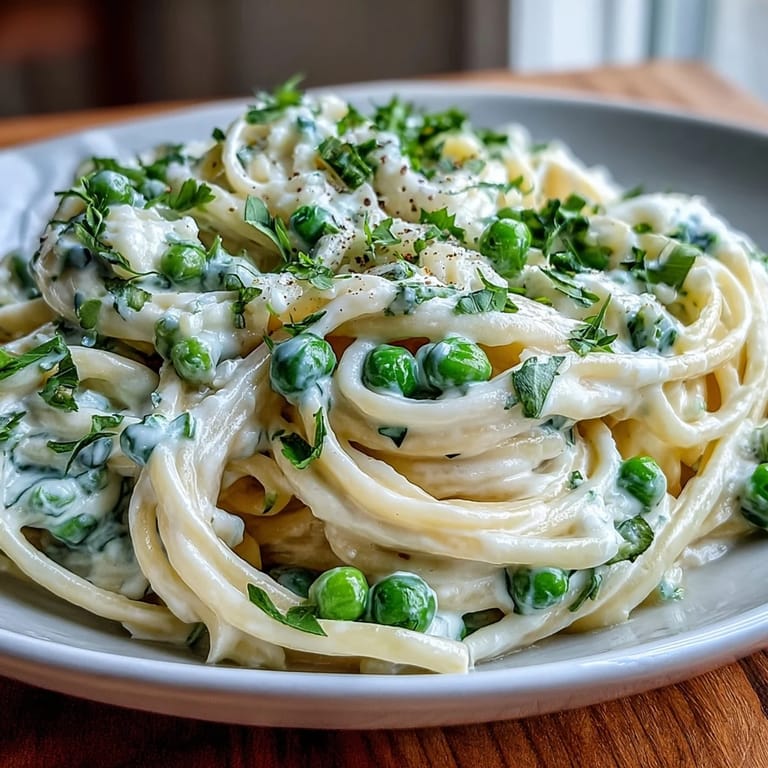
- Sprinkle parsley across the top, add a crack of black pepper, and serve up while still piping hot, maybe with a final dust of extra Parmesan.
 Save
Save One evening after a string of chilly rainy days, a bowl of this pasta turned my tiny apartment into a sunlit terrace. Sharing the dish with someone I love, forkful by forkful, felt like a little celebration of the changing season right there at my kitchen table.
How to Make It Your Own
I’ve tried tossing in a handful of baby spinach or peppery arugula with the peas, and each brings a new springy twist. You can swap in whole-wheat pasta for a nuttier bite, or use mascarpone instead of ricotta if you’re feeling indulgent. Sometimes I even add toasted pine nuts at the last second for crunch.
Pairing Ideas for the Perfect Meal
A chilled glass of Sauvignon Blanc or Pinot Grigio really enhances the lemon’s zing and the sweetness of the peas. Add a slice of crusty bread, and you have a full, easygoing dinner to linger over. Even just a bowlful as lunch on its own feels bright and indulgent without being heavy.
Frequently Asked Questions & Final Touches
People always ask if frozen peas work—they do, just add a little extra cooking time so they’re perfectly tender. If you’re serving guests, I suggest grating extra lemon zest at the table so the aroma hits just as you serve. It’s handy to keep extra Parmesan on hand too, for anyone who can never get enough.
- Remember to check your ricotta and pasta for any hidden allergens if needed.
- If your sauce seems too dry, a splash more pasta water does wonders.
- This pasta is best eaten immediately—creaminess doesn’t wait.
 Save
Save I hope whipping up this sunny bowl brings you as much effortless delight as it has for me. Here’s to more evenings where what’s fresh, bright, and simple wins the day.
Recipe FAQs
- → Can frozen peas be used instead of fresh?
Yes, frozen peas work well. Simply cook them a minute longer than fresh peas until tender and bright green.
- → How can I make the sauce extra creamy?
For more creaminess, add a splash of reserved pasta water gradually while tossing, or use mascarpone instead of ricotta.
- → What pasta shapes can substitute linguine?
Fettuccine, spaghetti, or penne are good alternatives. Choose shapes that hold the silky sauce well.
- → Can this dish be made gluten-free?
Yes, substitute a gluten-free pasta and ensure all cheese are certified gluten-free if needed.
- → What can I add for extra greens?
Baby spinach or arugula can be tossed in with the peas for more color and freshness.
- → How should leftovers be stored?
Store in an airtight container in the refrigerator for up to 2 days. Reheat with a splash of water.