 Save
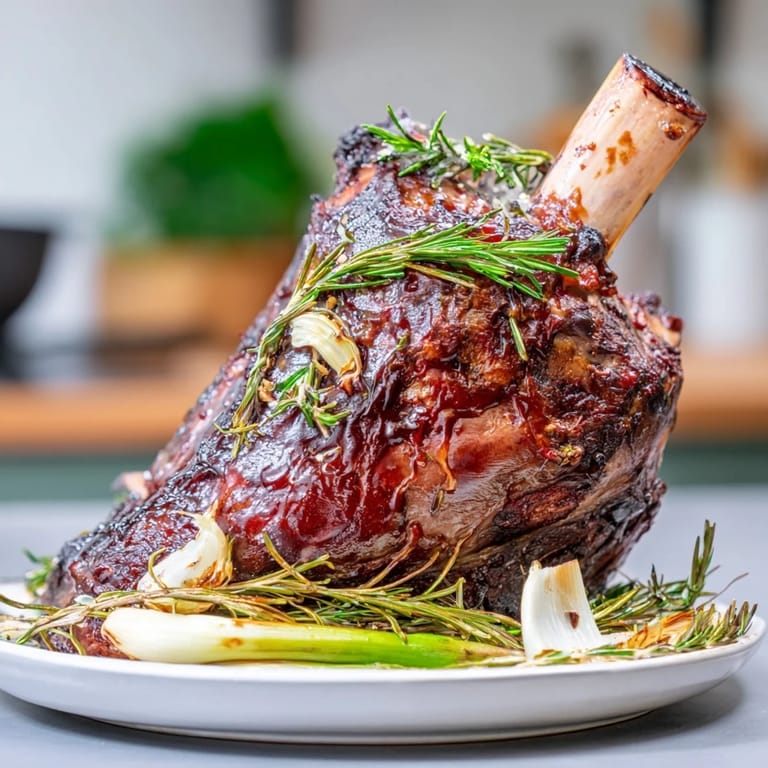
Save I used to think lamb shanks were restaurant-only food until a neighbor handed me a crumpled handwritten note with this recipe scrawled across it. She insisted I try it for a winter dinner party, and I remember standing in my kitchen that afternoon, skeptical but curious, as the smell of rosemary and red wine started filling every corner of the house. By the time my guests arrived, the meat was so tender it practically fell apart when I lifted the lid. That night changed how I thought about cooking for people I wanted to impress.
The first time I made this for my family, my brother walked into the kitchen an hour into roasting and asked if I'd ordered takeout from some fancy bistro. I laughed and showed him the pot, vegetables softening in wine and stock, lamb shanks turning a deep golden brown. He sat at the counter with a glass of the same wine I'd used, and we talked while the oven worked its magic. When we finally sat down to eat, he went quiet for a few bites, then looked up and said it was the best thing I'd ever made.
Ingredients
- Lamb shanks: Look for shanks with a good amount of meat and a little marbling; the slow roast will turn all that collagen into silky, fall-apart texture.
- Carrots and celery: These become sweet and tender as they braise, soaking up all the savory juices and adding body to the sauce.
- Onion: A large onion breaks down into the braising liquid and adds a subtle sweetness that balances the richness of the lamb.
- Garlic: Smashing the cloves releases their oils without burning them, and they mellow into buttery softness during the long roast.
- Fresh rosemary and thyme: These herbs perfume the whole dish; I always use fresh because dried just doesn't give the same aromatic punch.
- Bay leaves: They add a quiet, earthy depth that you might not notice until you try the recipe without them.
- Beef or lamb stock: A good stock is the backbone of the sauce; homemade is ideal, but a quality store-bought gluten-free version works beautifully.
- Dry red wine: I usually grab a bottle I'd be happy drinking; it doesn't need to be expensive, but it should taste good enough to sip while you cook.
- Olive oil: Just enough to get a deep sear on the lamb, which locks in flavor and creates those beautiful browned bits on the bottom of the pot.
- Salt and pepper: Season generously before searing; the lamb needs that boldness to stand up to hours in the oven.
Tired of Takeout? 🥡
Get 10 meals you can make faster than delivery arrives. Seriously.
One email. No spam. Unsubscribe anytime.
Instructions
- Preheat and prep:
- Set your oven to 160°C and give the lamb shanks a good pat with paper towels so they sear instead of steam. Season them all over with salt and pepper, being generous because this is a big cut of meat.
- Sear the lamb:
- Heat olive oil in a heavy Dutch oven over medium-high heat until it shimmers, then sear each shank on all sides until deeply browned, about 8 minutes total. The kitchen will start smelling incredible, and those golden bits stuck to the pot are pure flavor.
- Build the base:
- Remove the lamb and toss in the onions, carrots, celery, and garlic, stirring them around in the leftover oil and fond. Let them soften for 4 to 5 minutes, scraping up any browned spots as you go.
- Nestle and pour:
- Return the shanks to the pot, tucking in the rosemary, thyme, and bay leaves around them. Pour in the wine and stock, letting everything come to a gentle simmer while you scrape the bottom one more time.
- Slow roast:
- Cover the pot tightly with a lid or foil and slide it into the oven for 2 and a half to 3 hours, turning the shanks once halfway through. You'll know they're done when the meat pulls away from the bone with barely any effort.
- Finish the sauce:
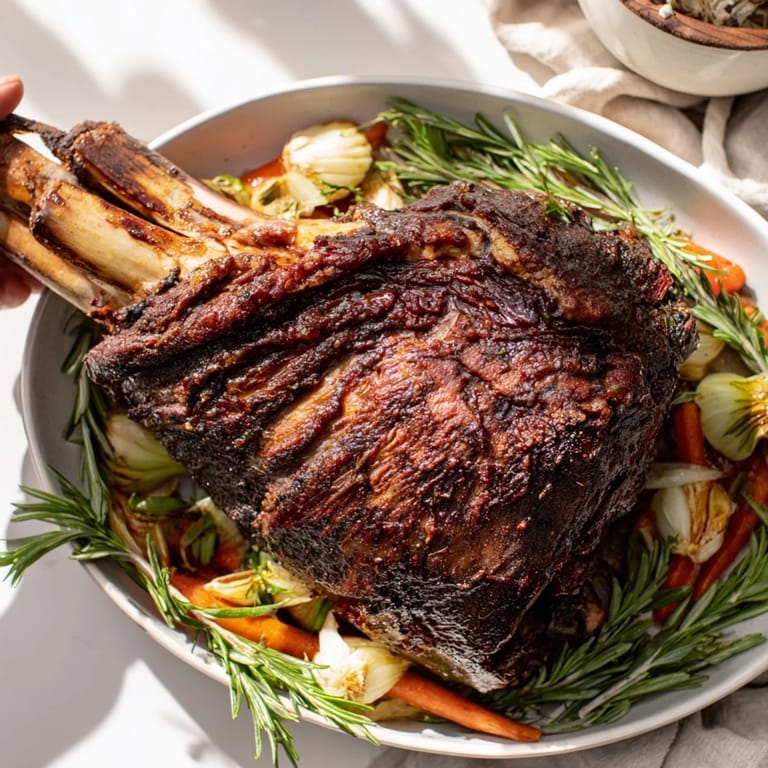
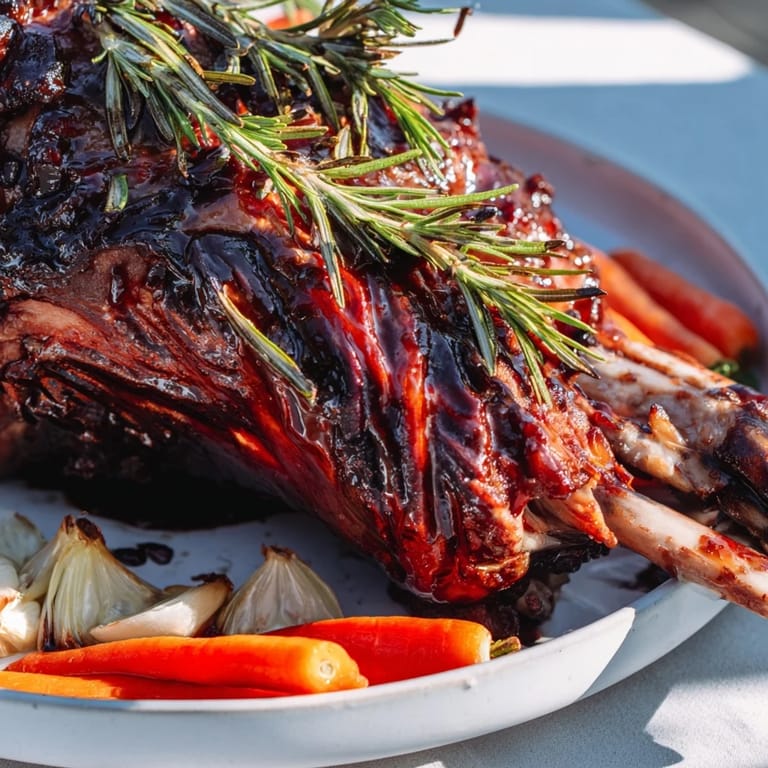
- Lift the lamb and vegetables onto a serving platter, then skim off any excess fat floating on top of the sauce. If it seems thin, simmer it on the stovetop for a few minutes until it coats the back of a spoon, then spoon it generously over the shanks.
 Save
Save I'll never forget the year I brought this to a holiday potluck and watched a friend who claimed she didn't like lamb go back for seconds, then thirds. She cornered me later, wine in hand, and asked for the recipe, admitting she'd been wrong about lamb her whole life. I wrote it down on a napkin right there, and now she makes it every Christmas Eve.
Serving Suggestions
I love spooning the lamb and its glossy sauce over a mountain of creamy mashed potatoes or soft polenta, letting everything soak into the starch. A simple side of roasted green beans or a bitter greens salad with lemon cuts through the richness perfectly. If you want to make it feel even more special, sprinkle a little fresh parsley or a few rosemary leaves over the top right before serving.
Make-Ahead Magic
This is one of those rare dishes that actually gets better if you make it a day ahead and let it sit in the fridge overnight. The flavors deepen and the sauce thickens slightly, and when you reheat it gently on the stovetop or in a low oven, it tastes like it's been simmering for days. I almost always make it the day before a big dinner now, just so I can relax and enjoy my guests instead of standing over the stove.
Variations and Extras
Sometimes I add a strip of orange zest or a splash of balsamic vinegar to the braising liquid for a hint of brightness that plays beautifully with the rosemary. If you want to stretch the recipe or add more vegetables, throw in some quartered potatoes or parsnips during the last hour of roasting. They'll soak up the sauce and turn buttery soft, making the whole meal feel even more complete.
- Try swapping thyme for oregano if you want a slightly different herbal note.
- A tablespoon of tomato paste stirred into the vegetables before adding the liquid will give the sauce a richer, deeper color.
- If you don't have red wine, use all stock and add a splash of red wine vinegar at the end for acidity.
 Save
Save This dish has become my go-to whenever I want to show someone I care without spending all day in the kitchen. There's something deeply satisfying about pulling that pot out of the oven, lifting the lid, and watching everyone lean in to breathe in the steam.
Recipe FAQs
- → What is the best way to ensure the lamb shanks are tender?
Slow roasting at a low temperature for several hours allows the meat to break down and become tender. Braising with wine and stock further enhances softness and flavor.
- → Can I substitute other herbs for rosemary?
Thyme and bay leaves are excellent complements and can be used alone or alongside rosemary for added depth.
- → How do I prevent the lamb from drying out during cooking?
Sealing the pot tightly with a lid or foil traps steam and moisture, keeping the meat juicy and tender throughout the slow-roasting process.
- → What side dishes pair well with slow-roasted lamb shanks?
Creamy mashed potatoes, polenta, or roasted seasonal vegetables balance the rich flavors of the lamb and make for a hearty meal.
- → Can this dish be prepared ahead of time?
Yes, the flavors deepen if made a day ahead. Reheat gently and skim any excess fat from the sauce before serving.