 Save
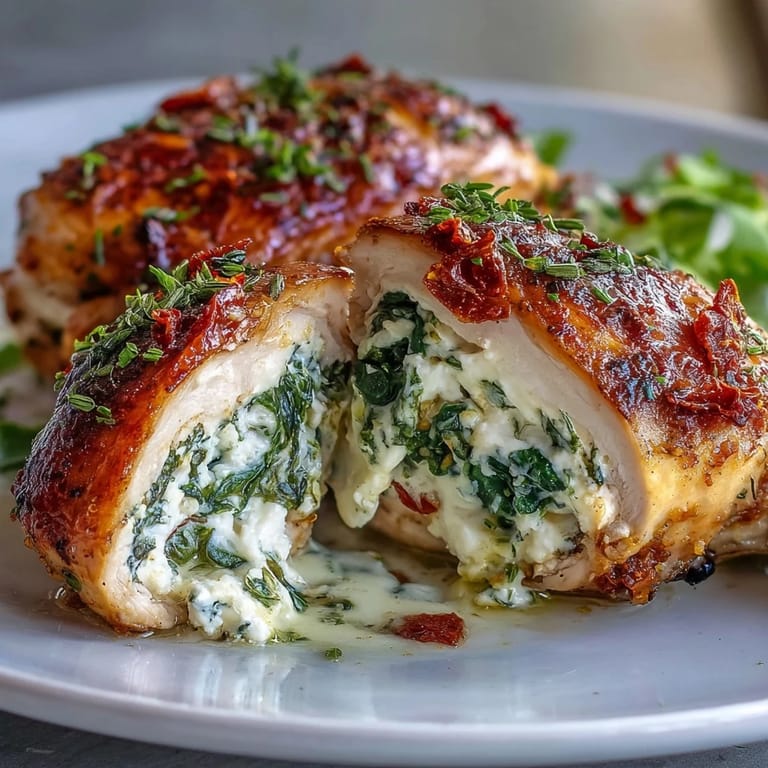
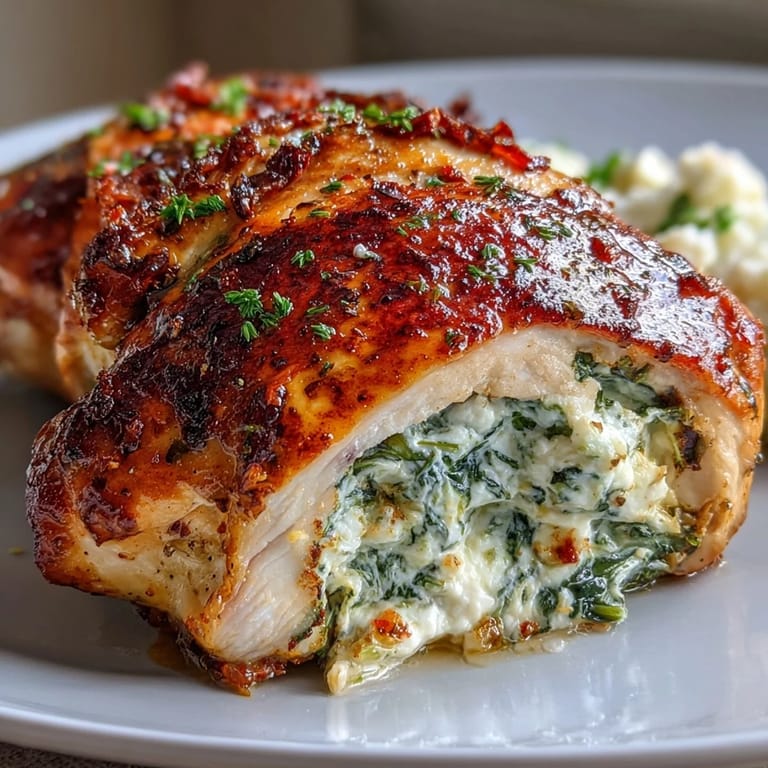
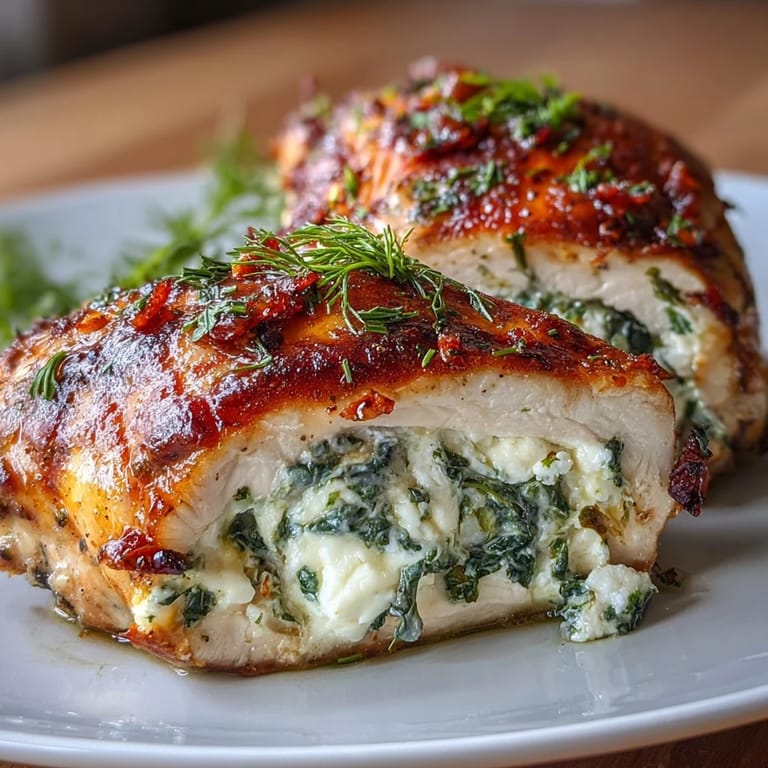
Save There's something about the sizzle of chicken hitting a hot pan that still catches me off guard, even after years of cooking. My neighbor stopped by one evening just as I was pulling these spinach and feta stuffed breasts from the oven, and the aroma alone had her asking for the recipe before she'd even sat down. What started as my attempt to impress turned into a weeknight staple because, honestly, it's far easier than it looks and somehow tastes like you've been working all day. The magic is in that moment when you cut into the breast and find that vibrant green filling studded with creamy feta—suddenly dinner feels a little bit special.
I made this for my sister's birthday dinner once, and she was genuinely shocked it had come from my kitchen. What she didn't know was that I'd tested it twice the week before, learning the hard way that overcooking even by a few minutes turns everything dry. That third attempt was the charm, and watching her face light up when she tasted it—that moment when food becomes more than sustenance—that's when I knew this recipe was a keeper.
Ingredients
- Boneless, skinless chicken breasts (4): Look for breasts that are roughly the same thickness so they cook evenly; if one is significantly thicker, give it a gentle pound to even things out.
- Fresh spinach, chopped (2 cups): Don't use frozen here because the extra moisture will make your filling watery—fresh spinach releases less liquid and gives you better texture control.
- Feta cheese, crumbled (¾ cup): The tanginess of feta is what makes this filling memorable, but taste as you go since different brands vary in saltiness.
- Cream cheese, softened (2 tablespoons): This acts as the binder that holds everything together and adds richness without overwhelming the other flavors.
- Garlic, minced (2 cloves): Fresh garlic makes all the difference in brightness; skip the pre-minced jar version if you can.
- Sun-dried tomatoes, chopped (¼ cup, optional): These add a sweet, concentrated flavor and beautiful color pop, but they're truly optional if you want to keep things simple.
- Fresh dill, chopped (1 tablespoon): Dill and feta are a classic pairing, and the fresh version tastes cleaner than dried, though dried works in a pinch.
- Dried oregano (½ teaspoon): A little goes a long way here—oregano can get bitter if overused, so don't be tempted to add more.
- Lemon zest (½ lemon): This brightens everything and prevents the filling from tasting heavy; don't skip it even if you think you won't notice it.
- Olive oil (2 tablespoons total): Use good olive oil for brushing since you'll actually taste it; the kind you cook with is fine here.
- Salt and black pepper: Season generously but taste as you go, especially since the feta and sun-dried tomatoes already bring saltiness.
- Paprika (½ teaspoon): This gives the chicken a subtle color and warmth, though it's mostly for looks.
Tired of Takeout? 🥡
Get 10 meals you can make faster than delivery arrives. Seriously.
One email. No spam. Unsubscribe anytime.
Instructions
- Preheat and prepare:
- Set your oven to 400°F and lightly oil a baking dish large enough to hold the four chicken breasts without crowding. A little breathing room helps them cook evenly instead of steaming.
- Create the pocket:
- Take a sharp knife and carefully slice into the thickest side of each breast horizontally, moving slowly and stopping before you reach the other side—you're looking to create a pocket, not two separate pieces. The first one always feels nerve-wracking, but you'll find your rhythm by the second one.
- Season thoughtfully:
- Sprinkle salt and pepper inside the pocket and all over the outside of the chicken, making sure to season generously since this is your only chance to flavor the meat itself.
- Make the filling magic:
- In a bowl, combine the spinach, feta, softened cream cheese, garlic, sun-dried tomatoes if using, dill, oregano, and lemon zest, stirring until everything is evenly distributed and no streaks of plain cheese remain. Taste it at this point—this is your last chance to adjust seasonings.
- Stuff with care:
- Spoon the filling into each pocket, pressing gently so it settles in without tearing the chicken; you want it packed but not bursting at the seams. If the pocket feels fragile, use a toothpick inserted lengthwise to hold it together.
- Finish the exterior:
- Brush the top and sides of each stuffed breast with olive oil and sprinkle paprika evenly over them, which gives them a beautiful golden color as they bake.
- Bake to perfection:
- Place in the oven for 25 to 30 minutes, watching for the moment when the chicken is opaque throughout and an instant-read thermometer reads 165°F when inserted into the thickest part. You'll know it's done when you see clear juices, not pink ones.
- Rest and serve:
- Pull the chicken from the oven and let it sit for 5 minutes before removing toothpicks and serving—this resting time keeps it juicy instead of releasing all the moisture onto the plate.
 Save
Save One afternoon, my daughter wandered into the kitchen while I was preparing these and asked if she could help with the filling. We stood there mixing and tasting, and she declared it tasted like "fancy Greek food from a real restaurant." That little moment of pride, knowing she thought my cooking was restaurant-worthy—that's what this recipe gave me beyond just a good dinner.
Why This Stuffing Works So Well
The combination of cream cheese and feta is what keeps this filling from drying out as the chicken cooks. The cream cheese melts and becomes almost silky, while the feta stays slightly crumbly and tangy, creating this perfect contrast of textures and flavors. The spinach wilts down completely, so what seemed like a lot in the bowl becomes perfectly proportioned once cooked.
Timing and Temperature Matter
I learned the hard way that oven temperature varies more than you'd think—some ovens run hot and will dry out the chicken in 23 minutes, while others run cool and need the full 30. The most reliable way to know you're done is that instant-read thermometer, because chicken at 165°F is cooked through but still has moisture to give, while 170°F starts tasting noticeably drier. Invest in a good thermometer if you haven't already; it's the difference between guessing and knowing.
Serving and Variations
This dish loves simple sides that don't compete with it—roasted asparagus, buttered rice, or a crisp salad with lemon vinaigrette all work beautifully. You can also get creative with the filling itself, and I've had great success swapping goat cheese for feta if that's what's in your fridge, or adding a handful of chopped olives for extra brinyness. The sun-dried tomatoes are optional but make the plate look more interesting, which matters more than you'd think.
- If serving to guests, stuff the chicken the morning of and refrigerate it—this actually helps it stay more moist during cooking.
- Leftover chicken slices beautifully and tastes great cold the next day in a salad or sandwich.
- Double the filling recipe if you want extra spoonfuls on the side, because honestly, no one has ever complained about more of it.
 Save
Save This recipe has become the thing I make when I want to feel confident in the kitchen without stress. It's simple enough that you can focus on enjoying the process instead of panicking, yet elegant enough that it always impresses.
Recipe FAQs
- → How do I prepare chicken breasts for stuffing?
Use a sharp knife to create a pocket in the thickest side of each chicken breast, taking care not to cut all the way through, ensuring even stuffing and cooking.
- → Can I use other cheeses instead of feta?
Yes, goat cheese is a great alternative that adds a creamy tangy flavor while complementing the spinach and herbs.
- → What herbs enhance the filling’s flavor?
Dill and dried oregano contribute fresh and earthy notes, perfectly balancing the richness of the cheese and spinach.
- → How is the dish best served?
Allow the stuffed chicken to rest after baking, then slice or serve whole alongside roasted vegetables, rice, or a crisp green salad.
- → Is this dish suitable for gluten-free diets?
Yes, the ingredients used are naturally gluten-free; however, always check labels of packaged ingredients to confirm.