 Save
Save Last spring, my neighbor stopped by with a handful of radishes still dusted with garden soil, and I realized I'd been buying them pre-packaged for years without ever really tasting them properly. That afternoon, I built my first vegetable board around those crisp, peppery roots, layering in whatever greens looked bright at the market, and stirred together a quick herb dip while she watched from the kitchen counter. The whole thing came together in less time than it takes to brew tea, and somehow felt more celebratory than any elaborate appetizer I'd attempted before.
I made this board for my daughter's school fundraiser potluck, expecting people to politely nibble while hovering over the brownies. Instead, I watched adults actually pause, fill small plates, and come back for seconds of the dip. One parent asked for the recipe, then another, and suddenly I understood that simple, honest food with real herbs and bright colors speaks louder than anything complicated ever could.
Ingredients
- Breakfast radishes: These smaller varieties are sweeter and more tender than their larger cousins, and halving them exposes a pretty pale interior that makes the board look almost jeweled.
- Sugar snap peas: Leave them whole if they're small enough to eat in one bite, since that raw crunch is half the pleasure.
- Fresh or frozen peas: If you're using fresh, a quick blanch and ice bath keeps them bright green and tender; frozen ones work beautifully if that's what your kitchen offers.
- Baby carrots: Their natural sweetness creates a quiet contrast with the sharper vegetables, and their orange brings actual warmth to the board's color story.
- Cherry tomatoes: Halving them prevents them from rolling around while you're building, and the cut sides catch a little of the board's light.
- Cucumber slices: Keep the skin on for both flavor and visual appeal, and slice them just before serving so they stay crisp.
- Greek yogurt: The tanginess here is what makes the dip sing, though sour cream adds richness if you want something closer to a ranch-style experience.
- Fresh herbs: Chives, parsley, and dill should be finely chopped just before mixing so their flavors stay bright and alive in the dip.
- Lemon juice: This prevents the dip from tasting flat and adds a flicker of freshness that ties everything together.
Tired of Takeout? 🥡
Get 10 meals you can make faster than delivery arrives. Seriously.
One email. No spam. Unsubscribe anytime.
Instructions
- Wash and ready your vegetables:
- Rinse everything under cool water and pat dry, since wet vegetables won't arrange as neatly and will weep onto the board. Give yourself permission to not be precious about it, trusting that natural shapes and slight imperfections actually look more inviting than anything overly polished.
- Build your board with intention:
- Start by clustering similar colors and shapes together, filling in gaps as you go, and don't worry about symmetry. You're creating something that looks abundant and natural, not a geometry lesson.
- Stir the herb dip until it's smooth:
- Combine the yogurt, mayo, lemon juice, and all the herbs and seasonings in a bowl, whisking gently until no streaks remain. Taste as you go and adjust salt or herbs to your preference, since your hand with salt differs from mine.
- Nestle the dip into its spot:
- Transfer to a small bowl and place it directly on the board, in whatever spot feels natural. The dip is the heart of this whole thing, so give it a place of honor rather than pushing it to the edge.
- Add finishing touches and serve:
- Scatter microgreens and cheese if you're using them, arrange crackers nearby, and get everything to the table while the vegetables are still at their coldest and crispest. Fresh boards are meant to be eaten soon after they're built, so don't let this one linger.
 Save
Save One quiet evening last month, I made this board just for myself—no guests, no occasion—and sat with it while reading. Something about the ritual of selecting vegetables, arranging them with care, and having fresh herbs at hand reminded me that you don't need a reason to make something beautiful and nourishing. It felt like a small act of kindness toward myself.
The Secret of Fresh Herbs
I used to buy those plastic containers of pre-chopped herbs, thinking I was saving time, until I realized the flavor had already started fading before I opened them. Now I keep a small pot of chives on my windowsill and grab what I need minutes before mixing, and the difference is remarkable. The dip becomes something alive and bright instead of tasting like an approximation of herby.
Making It Your Own
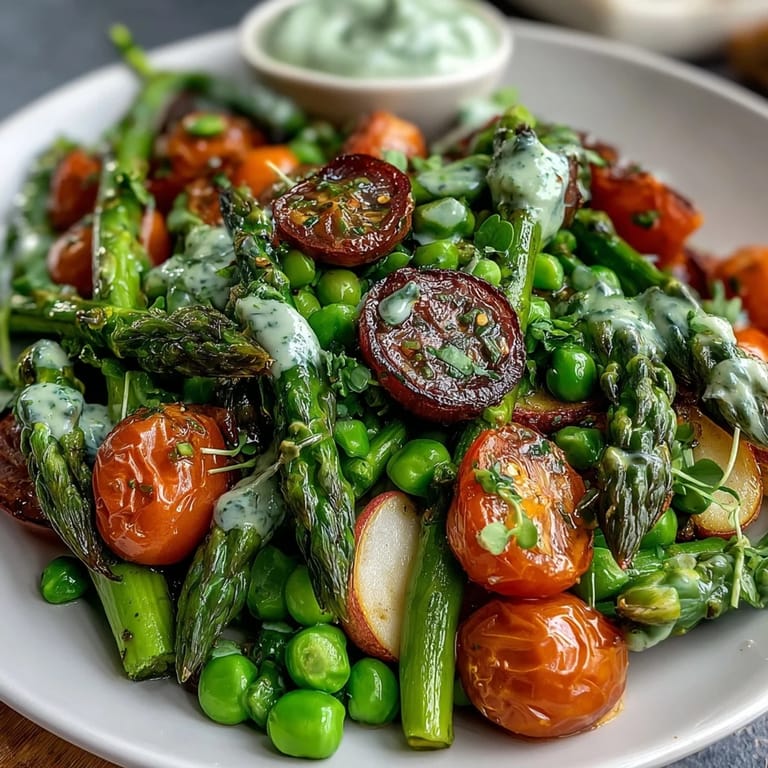
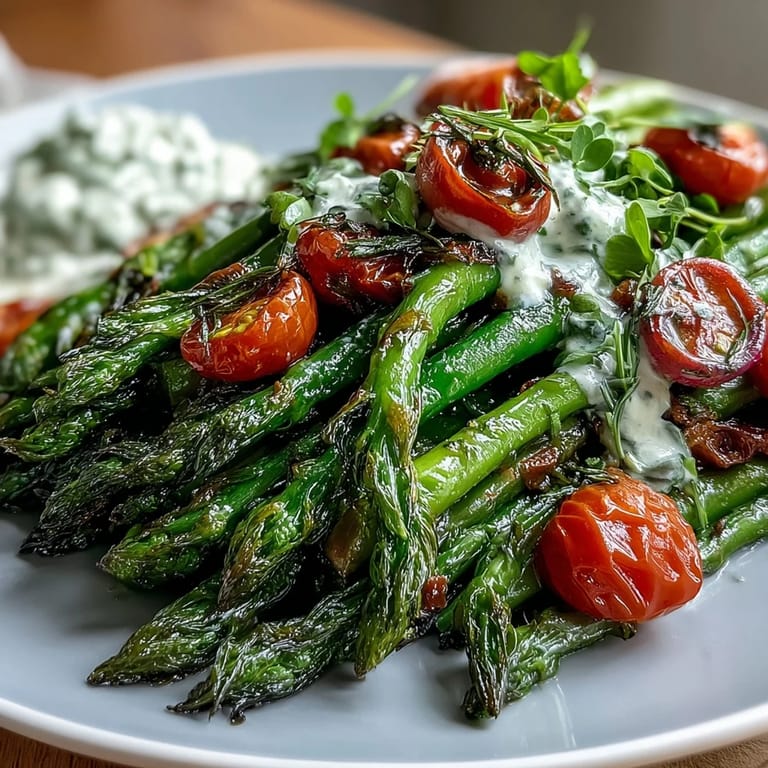
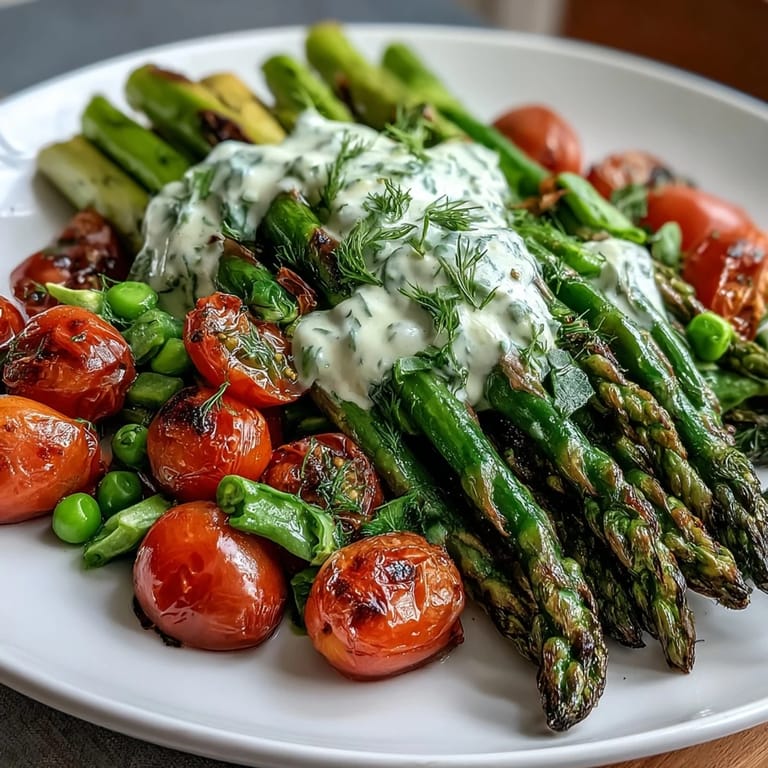
This board is really a framework rather than a strict recipe, and I've learned to treat it that way. In summer I add corn kernels and grilled zucchini, in fall I include roasted beets and sliced apples, and in early spring I hunt down the first tender asparagus I can find. The dip stays constant, which means it becomes this reliable, comforting anchor while everything else shifts with the seasons.
Board Building Tips
The actual arrangement matters less than you might think, but there are a few small lessons I've picked up. Odd numbers of each vegetable type feel more natural than even ones, clustering similar colors helps the eye make sense of everything, and leaving a little white space on the board prevents it from looking cramped. Most importantly, don't overthink it, since boards that look casually abundant are always more inviting than ones that look fussy.
- If you're transporting this board somewhere, keep the dip in a separate container and add it just before serving so the vegetables don't get soggy.
- A wooden board or ceramic platter shows off the colors better than white platters, which can make bright vegetables look washed out by comparison.
- Keep everything cold right up until serving, using a chilled platter and even chilling the board itself in the freezer for ten minutes beforehand.
 Save
Save This board has become my answer to the question of what to bring or make when I want to nourish people without fussing. There's something honest about it that never goes out of style.
Recipe FAQs
- → Can I substitute ingredients in the herb dip?
Yes, you can replace Greek yogurt with plant-based alternatives for a vegan-friendly dip or swap mayonnaise for a lighter mayo variant to suit dietary preferences.
- → What other vegetables work well on this board?
Seasonal options like asparagus tips, blanched green beans, or sliced bell peppers complement the existing vegetables and add color and texture.
- → How long can the dip be prepared ahead?
The herb dip can be made in advance and kept refrigerated for up to 2 days, allowing flavors to meld nicely.
- → Is this platter suitable for gluten-free diets?
Yes, the vegetable board and dip are naturally gluten-free, but be cautious if adding crackers or bread on the side, as they may contain gluten.
- → How should the vegetables be prepared for serving?
Wash and trim all vegetables, slicing radishes in halves and halving cherry tomatoes for easy picking and a visually appealing arrangement.