 Save
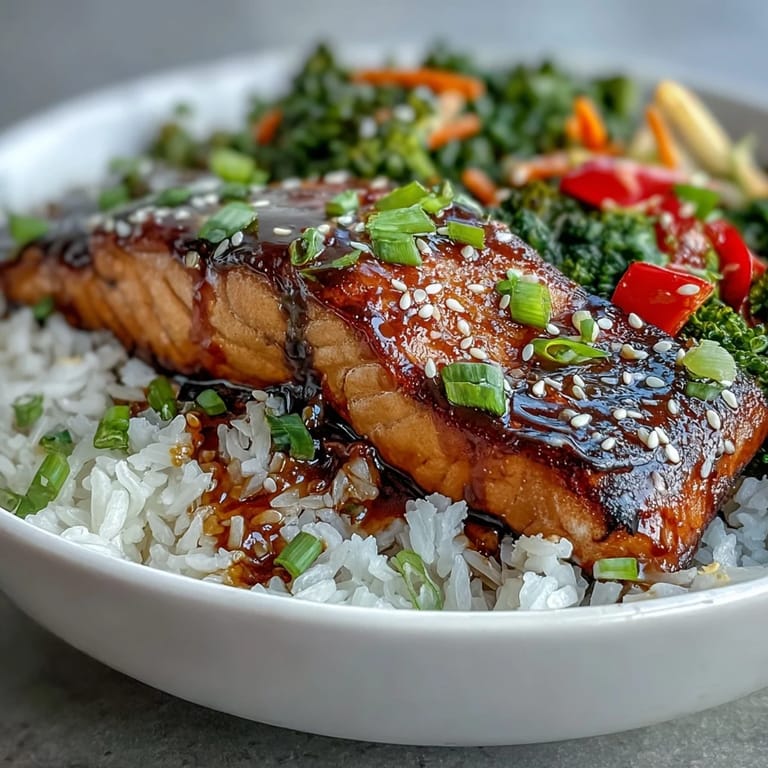
Save One Tuesday evening, I was craving something that tasted like a restaurant but could actually come together on a weeknight. I opened the fridge and found salmon, a bottle of soy sauce, and some sad-looking broccoli, and suddenly remembered my friend Sarah's teriyaki salmon bowl that had lingered in my mind for months. Within thirty minutes, I had created something so vibrant and balanced that my partner asked for seconds before I'd even finished plating. That's when I knew this recipe deserved a permanent spot in my rotation.
I made this for my parents last month during one of those spontaneous Sunday dinners, and my mom—who is notoriously skeptical about fish—came back for thirds. She kept saying it didn't taste 'fishy' at all, which I took as the highest compliment. That moment made me realize how a good glaze and proper cooking technique can transform something people think they don't like into their new favorite thing.
Ingredients
- Salmon fillets (4, about 150 g each): Choose skin-on if you like crispy edges, but skinless works just as well. Let them sit at room temperature for five minutes before cooking so they cook evenly.
- Soy sauce (60 ml): The backbone of your sauce, though grab tamari or coconut aminos if you're avoiding wheat or soy.
- Mirin (60 ml): This sweet rice wine is what makes the sauce silky and gives it that glossy restaurant shine you can't fake with sugar alone.
- Brown sugar (2 tbsp): Adds depth that white sugar misses, creating layers of sweetness rather than one-note candy flavor.
- Rice vinegar (1 tbsp): The bright acidity that prevents the sauce from becoming cloying and makes every bite sing.
- Sesame oil (2 tsp): A little goes a long way, so don't be tempted to double it or your sauce will taste overwhelmingly nutty.
- Garlic and ginger (2 cloves minced, 1 tsp grated): Fresh is non-negotiable here; jarred versions won't give you that peppery bite that makes your mouth water.
- Cornstarch slurry (1 tsp cornstarch and 2 tsp water): This is your secret weapon for a glossy, cling-to-the-salmon sauce that looks professional.
- Bell pepper, carrot, broccoli, sugar snap peas: The vegetables provide texture contrast and freshness, but honestly swap them for whatever looks good at your market.
- Jasmine or sushi rice (300 g): Jasmine rice is slightly more aromatic and forgiving if you're new to rice cooking.
- Sesame seeds and spring onions (for garnish): These aren't optional in my book because they add a finishing touch that makes the whole bowl feel intentional.
Tired of Takeout? 🥡
Get 10 meals you can make faster than delivery arrives. Seriously.
One email. No spam. Unsubscribe anytime.
Instructions
- Prepare your rice foundation:
- Rinse the rice under cold running water, swishing it gently with your fingers until the water runs almost clear. This removes excess starch and prevents gumminess. In a saucepan, combine rice and water, bring to a boil uncovered, then reduce heat to low, cover tightly, and let it steam for exactly fifteen minutes before removing from heat and resting five minutes covered.
- Build your teriyaki magic:
- In a small saucepan over medium heat, combine soy sauce, mirin, brown sugar, rice vinegar, sesame oil, minced garlic, and grated ginger, stirring gently until the sugar completely dissolves. Watch for that first wisp of steam rising from the surface, then stir in your cornstarch slurry and cook for one to two minutes until the sauce coats the back of a spoon and looks glossy and thick.
- Sear the salmon perfectly:
- Season each fillet generously with salt and pepper, then heat a splash of oil in a nonstick skillet over medium-high heat until just smoking. Lay salmon skin-side down and listen for that satisfying sizzle, cooking for three to four minutes until the skin is crispy and golden. Flip gently and cook two to three more minutes, then brush generously with teriyaki sauce and cook one final minute until the glaze sets.
- Stir-fry vegetables until they snap:
- In a wok or large skillet over high heat, add vegetable oil and let it shimmer before adding bell pepper and carrot, which need the longest cooking. After a minute, add broccoli and sugar snap peas, tossing constantly for three to four minutes total until they're bright, tender but still crisp, and have a slight char on the edges.
- Compose your bowl:
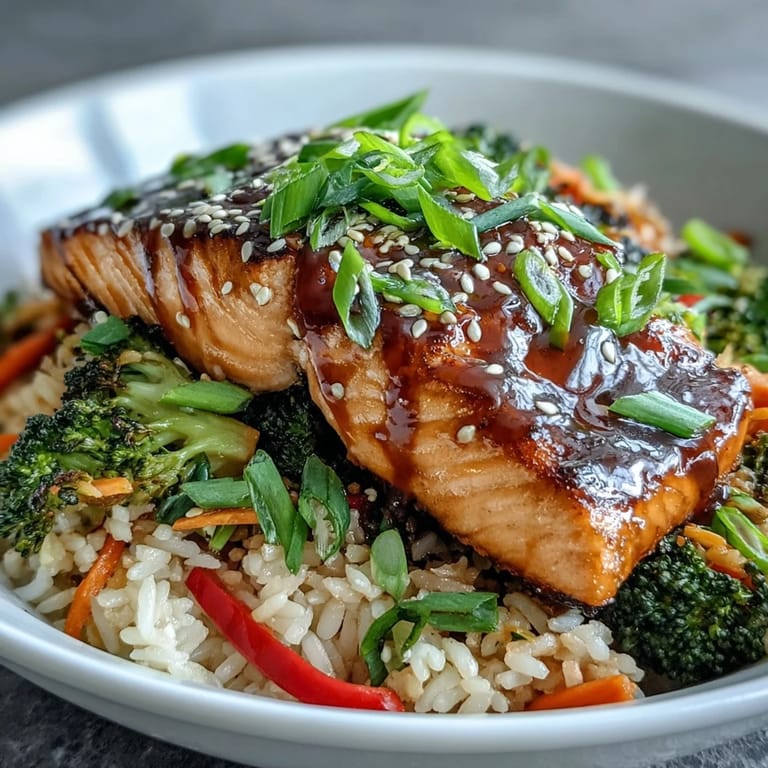
- Divide fluffy rice into four bowls, arrange stir-fried vegetables on top, and crown with a glazed salmon fillet. Drizzle extra teriyaki sauce over everything and finish with a scatter of sesame seeds and thinly sliced spring onions for color and crunch.
 Save
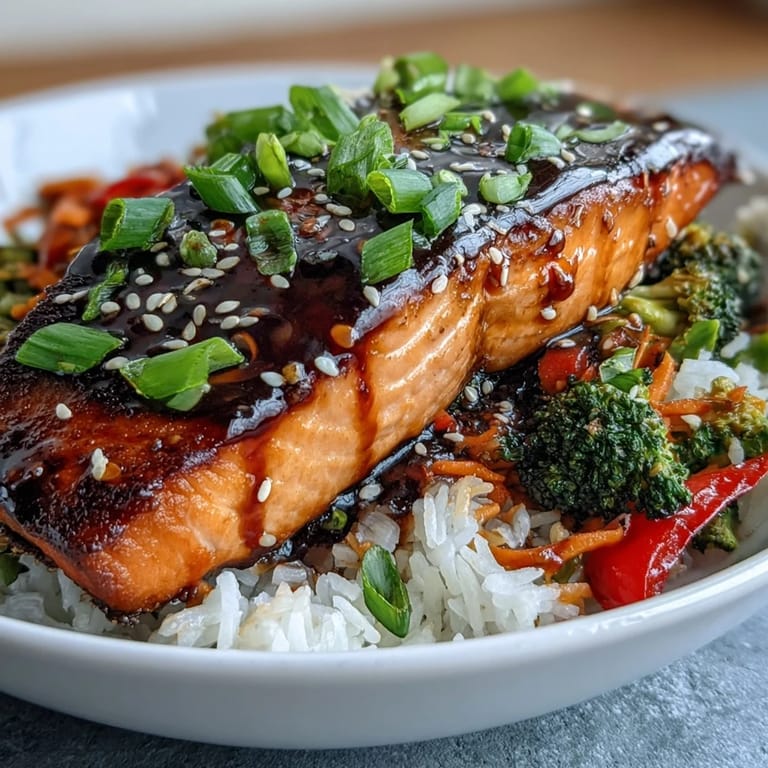
Save There's something deeply satisfying about assembling this bowl, watching all four elements—glossy rice, crisp vegetables, tender salmon, and that caramel-colored sauce—come together on the plate. It feels like you've made something far more complicated than you actually have.
Why This Dish Works Every Single Time
The genius of a teriyaki salmon bowl is that it works with the natural properties of each ingredient instead of fighting them. Salmon's richness is balanced by bright vinegar and crisp vegetables, the rice absorbs that precious sauce, and the high heat creates textural contrast between crispy skin and tender vegetables. There's a reason this became a staple at poke restaurants and dinner tables everywhere.
Playing With Seasonal Swaps
I've made this bowl with whatever looked fresh, and it never disappoints. In summer I use zucchini and sugar snap peas, in fall I add mushrooms and bok choy, and in winter I switch to baby corn and broccolini. The sauce is flexible enough to shine with any vegetables you choose, as long as you cook them until just tender.
Making It Your Own
Once you understand how the sauce works and how each component should taste and feel, you can adapt this endlessly. I've doubled the ginger when I was fighting a cold, added chili paste for heat, and even drizzled in sriracha for friends who like their bowls spicy. The foundation is solid enough to support your creativity.
- If you have time, marinate salmon in half the teriyaki sauce for fifteen minutes before cooking for extra depth.
- Try adding a soft-boiled egg or tofu on top to make it even more substantial and satisfying.
- A squeeze of fresh lime juice right before eating brightens everything and ties the bowl together beautifully.
 Save
Save This bowl has become my answer to when I want something restaurant-quality without the restaurant wait or price tag. Every time I make it, someone asks for the recipe.
Recipe FAQs
- → What type of rice works best for teriyaki salmon bowls?
Jasmine rice or sushi rice both work beautifully for this bowl. Their slightly sticky texture helps bind everything together, while their mild flavor complements the bold teriyaki glaze without competing.
- → Can I make the teriyaki sauce ahead of time?
Absolutely. The teriyaki sauce can be prepared up to a week in advance and stored in an airtight container in the refrigerator. Gently reheat before using, adding a splash of water if it has thickened too much.
- → How do I know when the salmon is perfectly cooked?
The salmon is done when it flakes easily with a fork and reaches an internal temperature of 145°F (63°C). The flesh should appear opaque and slightly pink in the center. Avoid overcooking, as the fish will continue cooking slightly after removing from heat.
- → What vegetables can I substitute?
Feel free to use whatever vegetables you have on hand or what's in season. Zucchini, mushrooms, baby corn, snow peas, bok choy, or sliced cabbage all work wonderfully in stir-fries and maintain their crunch when cooked quickly over high heat.
- → Is this dish freezer-friendly?
The cooked rice and teriyaki sauce freeze well separately. However, it's best to enjoy the salmon freshly cooked for optimal texture. If meal prepping, store components in separate containers and assemble when ready to eat.
- → Can I use other fish instead of salmon?
Yes, other fatty fish like black cod, Chilean sea bass, or mahi-mahi work well with teriyaki glaze. Thinner fillets may require less cooking time, so adjust accordingly to prevent drying out the fish.