 Save
Save The first time I smelled hojicha, I was sitting in a tiny Tokyo café watching rain streak against the window. Something about that roasted, nutty aroma felt like being wrapped in a warm blanket. I knew immediately this tea belonged in a cake, not just a cup. This recipe is the result of that rainy afternoon inspiration.
I brought this cake to a dinner party where half the guests were skeptical about vegan desserts. Watching their eyes light up after that first bite—seeing them reach for seconds without asking what was missing—thats the memory that keeps this recipe in regular rotation.
Ingredients
- Gluten-free all-purpose flour blend: Provides structure without the wheat. I have tested several brands and found that blends with rice flour and sorghum perform best here.
- Almond flour: Adds moisture and a subtle nuttiness that plays beautifully with the hojicha. Do not substitute with coconut flour, it will absorb too much liquid.
- Hojicha powder: The star of the show. Find a high-quality ceremonial grade if possible. The flavor difference is worth every penny.
- Baking powder and baking soda: Work together to give this gluten-free cake its lift. Without them, you would have a dense, disappointing hockey puck.
- Unsweetened almond milk with apple cider vinegar: This combination creates vegan buttermilk. The acid helps activate the baking soda and tenderize the crumb.
- Maple syrup: My go-to liquid sweetener for its depth of flavor. Honey would work too if you are not strictly vegan.
- Melted coconut oil: Adds richness and helps create a tender crumb. Make sure it is completely melted but not hot, or it might cook the other ingredients.
- Vanilla extract: Always pure, never imitation. It bridges the gap between the earthy hojicha and sweet frosting.
- Full-fat coconut milk: Must be refrigerated overnight. The solid cream is what creates that luxurious frosting texture.
Tired of Takeout? 🥡
Get 10 meals you can make faster than delivery arrives. Seriously.
One email. No spam. Unsubscribe anytime.
Instructions
- Make your vegan buttermilk:
- Combine the almond milk and apple cider vinegar in a small bowl. Let it sit for about 5 minutes until it looks slightly thickened and curdled. Meanwhile, preheat your oven to 350°F (175°C) and prepare your cake pan with grease and parchment paper.
- Whisk the dry ingredients:
- In a large bowl, combine the gluten-free flour blend, almond flour, hojicha powder, baking powder, baking soda, and salt. Whisk thoroughly to ensure the leavening agents are evenly distributed—this is crucial for even rising.
- Mix the wet ingredients:
- In a separate bowl, whisk together your prepared buttermilk, maple syrup, melted coconut oil, and vanilla extract. The mixture should emulsify slightly and look glossy.
- Combine and fold:
- Pour the wet ingredients into the dry and gently fold with a spatula or wooden spoon. Stop as soon as the flour streaks disappear. Overmixing gluten-free batter leads to tough, rubbery cakes.
- Bake to perfection:
- Transfer the batter to your prepared pan and smooth the top. Bake for 30 to 35 minutes. The cake is done when it is fragrant, golden, and a toothpick comes out clean or with just a few moist crumbs.
- Cool completely:
- Let the cake rest in the pan for 10 minutes, then turn it out onto a wire rack. Patience here is key. Warm cake will melt your coconut frosting into a sad puddle.
- Prepare the frosting:
- Open your chilled can of coconut milk and scoop out only the solid white cream into a mixing bowl. Save the watery liquid for smoothies or curries. Add the maple syrup and vanilla, then beat with an electric mixer until fluffy and smooth, about 3 to 5 minutes.
- Frost and finish:
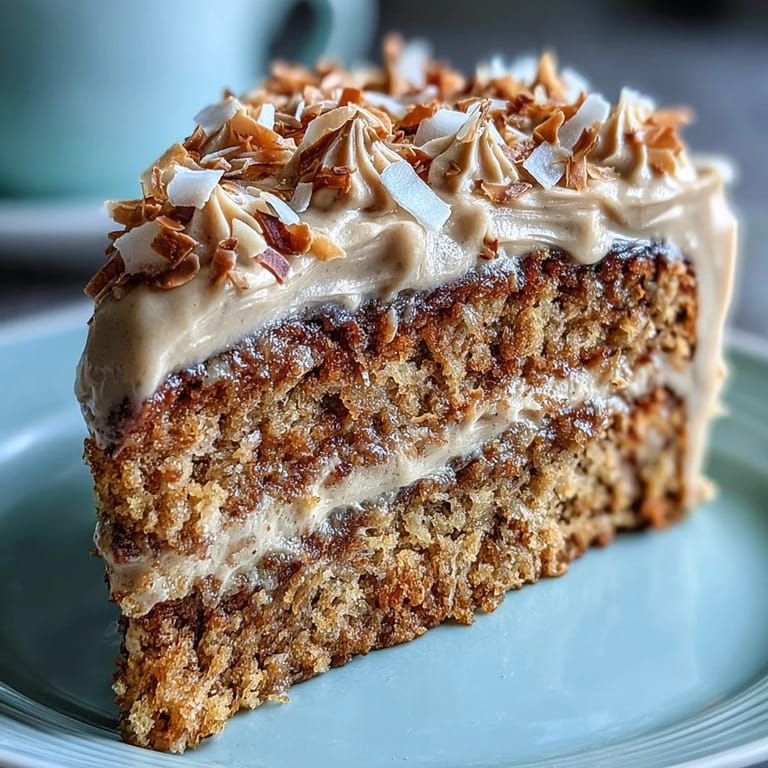
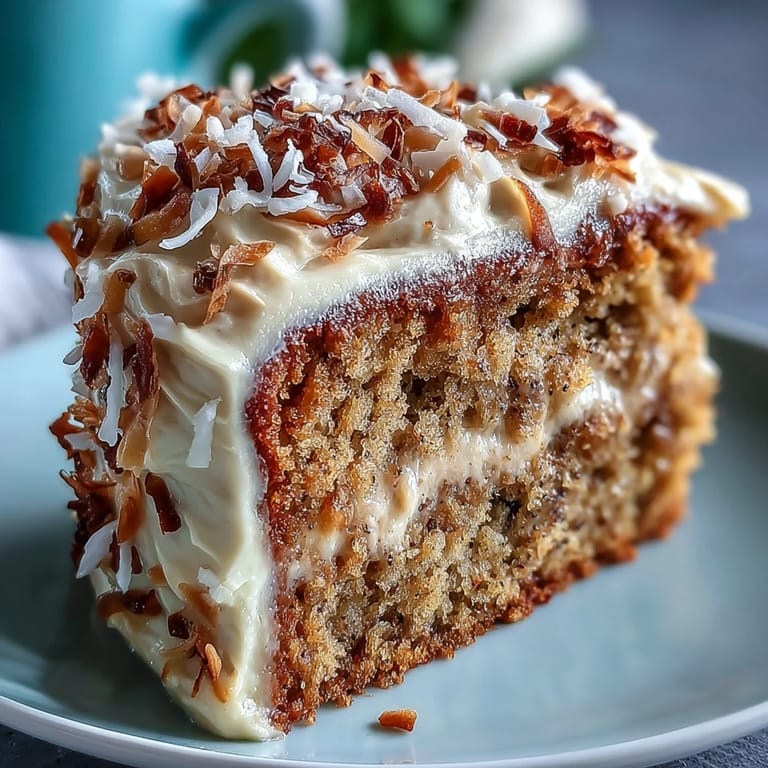
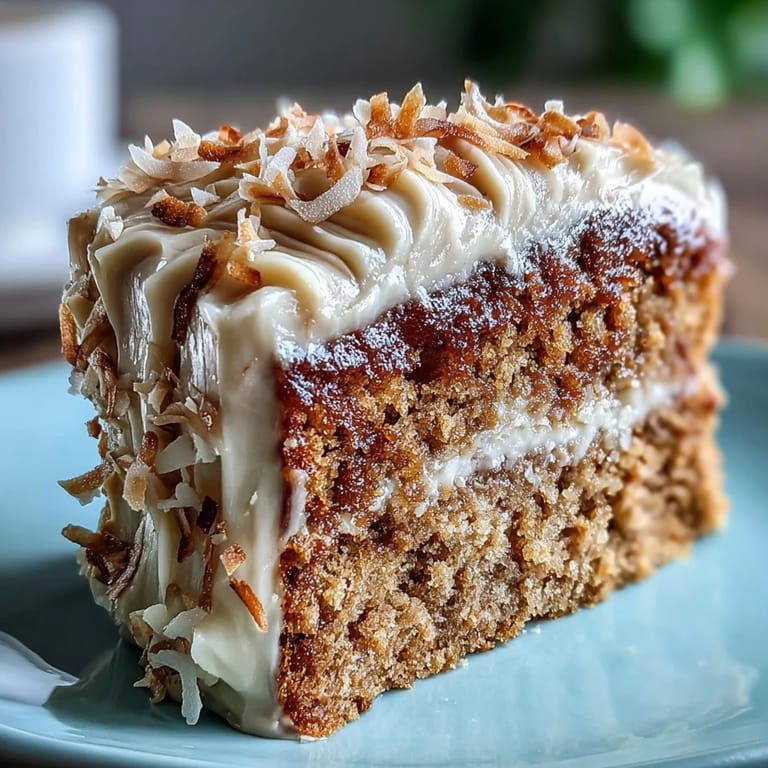
- Once the cake is completely cool, spread the coconut frosting generously over the top. Dust with extra hojicha powder and scatter toasted coconut flakes if you are feeling fancy. Slice and serve immediately.
 Save
Save My sister called me after trying this cake, demanding the recipe. She said it reminded her of the roasted nut cookies our grandmother used to make, somehow bridging the gap between memory and something entirely new. That is exactly what I was hoping for.
Making It Your Own
After baking this cake six or seven times, I started experimenting with small variations. Sometimes I add a tablespoon of miso paste to the frosting for a salty-sweet finish that cuts through the richness. Other times I fold chopped toasted walnuts into the batter for extra texture. The hojicha flavor is robust enough to support these additions without being overwhelmed.
The Art of Coconut Frosting
Getting coconut frosting right took me several attempts. The temperature of your kitchen matters immensely—if it is too warm, the frosting will not hold its shape. I work quickly and keep my mixing bowl in the refrigerator between steps. An offset spatula is worth the investment for those smooth, professional swoops on top.
Serving Suggestions
This cake deserves a proper presentation. I slice it into thin wedges rather than thick chunks because the flavor is concentrated and the texture is rich. A light dusting of hojicha powder right before serving makes it look professionally finished.
- Pair with a cup of plain hojicha or a light green tea
- A small dollop of coconut yogurt on the side adds tang
- Store any leftovers covered in the refrigerator and bring to room temperature before serving again
 Save
Save Whether you are avoiding gluten, dairy, or refined sugar, or simply love the taste of roasted tea, this cake has something to offer. Every bite feels like a quiet moment of calm.
Recipe FAQs
- → What does hojicha taste like?
Hojicha offers a warm, roasted flavor with notes of caramel and toffee, unlike grassy matcha. The tea leaves are roasted over charcoal, creating a naturally sweet, earthy profile that pairs beautifully with vanilla and coconut.
- → Can I substitute the coconut frosting?
You can use cashew cream, vegan buttercream, or silken tofu-based frosting. For a lighter option, simply dust with powdered sugar and extra hojicha powder instead of frosting.
- → Is this cake freezer-friendly?
Yes! Wrap unfrosted cake layers tightly in plastic and freeze for up to 3 months. Thaw overnight in the refrigerator, then bring to room temperature before frosting and serving.
- → How do I prevent the coconut milk from separating?
Refrigerate the can overnight for the cream to solidify completely. Scoop only the thick white portion, avoiding the liquid. Beat cold until fluffy, and work quickly as warmed cream softens fast.
- → Can I make this as cupcakes?
Absolutely! Portion batter into a lined muffin tin and bake for 18-22 minutes at 350°F. Yield approximately 12-15 cupcakes. Pipe the coconut frosting on top once cooled completely.
- → Where can I buy hojicha powder?
Look for hojicha powder at Japanese grocery stores, specialty tea shops, or online retailers. Ensure it's culinary-grade powder rather than loose leaf tea for proper incorporation into the batter.