 Save
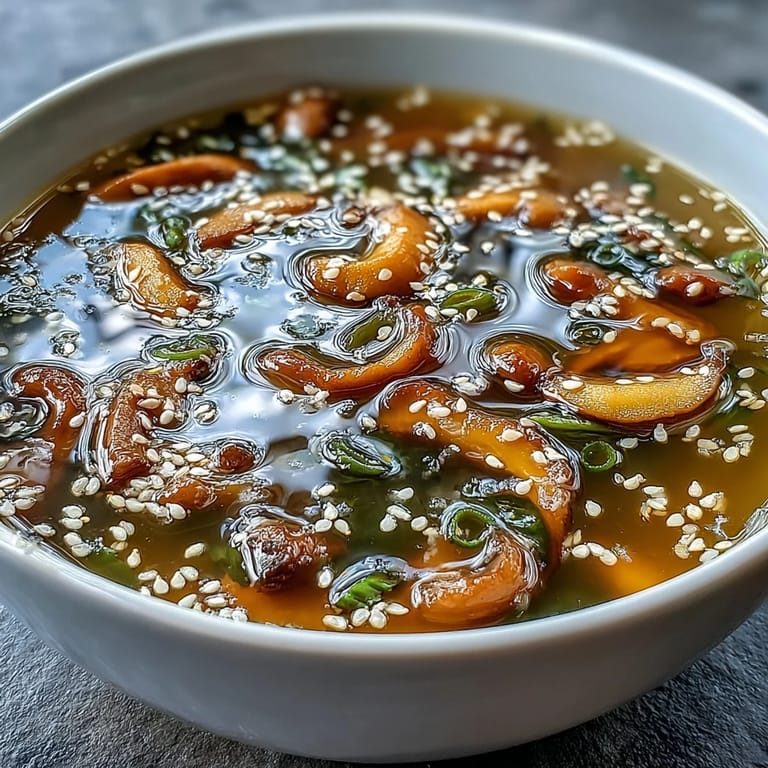
Save My kitchen window was completely frosted over the first time I made this soup, and I remember the steam rising from the pot fogging it up even more, like the broth was trying to melt winter from the inside out. A friend had just given me a chunk of fresh ginger from her garden, and I was determined to use it before it dried out. What started as a practical decision turned into the kind of soup that makes you pause between spoonfuls, genuinely grateful for warmth in a bowl. The miso stirred in at the end added this savory depth I hadn't expected, and suddenly it felt less like cooking and more like creating comfort.
I served this to my partner on a day when everything felt chaotic, and watching them slow down with each spoonful reminded me why cooking matters. There was something almost meditative about how the soup invited you to breathe, to taste, to actually be present. That bowl became a small ritual in an otherwise scattered afternoon.
Ingredients
- Water or vegetable broth (6 cups): This is your blank canvas—vegetable broth adds a subtle foundation, but water lets the ginger and miso shine if you want purity of flavor.
- Fresh ginger (2-inch piece, thinly sliced): Don't peel it; the skin holds oils and nutrients, and thin slices infuse faster and more evenly than chunks.
- Garlic cloves (2, thinly sliced): Thin slicing prevents sharp, raw garlic flavor and ensures it melds into the broth rather than floating as obvious pieces.
- White or yellow miso paste (2 tablespoons): This is the soul of the soup—miso paste is a living ingredient full of probiotics, so never let it boil or you'll kill the good bacteria.
- Napa cabbage (1 cup, thinly sliced): Its mild sweetness balances the ginger's heat, and it gets silky-tender without falling apart.
- Carrot (1 medium, julienned): Cut thin so it actually softens in the 5-7 minute simmer window and doesn't stay crunchy and out of place.
- Shiitake mushrooms (1 cup, stemmed and sliced): The umami here is non-negotiable—stems are woody, so remove them and save for stock another day.
- Scallions (2, sliced): Add these at the end as a fresh, bright finish that cuts through the richness.
- Toasted sesame seeds (1 tablespoon): Toasting them yourself takes two minutes and transforms their flavor from flat to nutty and alive.
- Fresh cilantro or parsley (1 tablespoon, optional): Cilantro brings a sharp edge; parsley is gentler—choose based on your mood.
- Chili oil or chili flakes (1 teaspoon, optional): A small amount creates warmth and depth without overwhelming the delicate broth.
- Silken tofu (200 g, cubed, optional): It's fragile, so add it gently at the very end so it warms through but doesn't break apart.
- Cooked soba or rice noodles (100 g, optional): Soba adds earthiness and chew; rice noodles keep it lighter and more delicate.
Tired of Takeout? 🥡
Get 10 meals you can make faster than delivery arrives. Seriously.
One email. No spam. Unsubscribe anytime.
Instructions
- Set the foundation:
- Bring your water or broth to a gentle simmer in a large pot—gentle is the key word here, as a rolling boil will cook off delicate aromatics before they fully infuse. Listen for that quiet, steady bubbling rather than an aggressive rumble.
- Build the flavor base:
- Add sliced ginger and garlic, then let them hang out in the heat for 10 minutes, during which the whole kitchen will smell like something's actually happening. You'll notice the broth turning golden and the ginger's heat becoming apparent—that's exactly right.
- Add the vegetables:
- Toss in your cabbage, carrot, and mushrooms and simmer for 5-7 minutes until they're tender but still have a little life to them. Taste a piece of carrot to check; it should be soft enough to eat easily but not falling apart.
- Rescue the miso:
- Remove the pot from heat, then in a separate small bowl whisk your miso paste with a ladle of hot broth until it's completely smooth with no lumps. This step is crucial—whisking it separately ensures the miso stays silky and the probiotics stay alive when you stir it back in.
- Warm the extras:
- If you're using tofu and noodles, add them now and let everything warm together for 2 minutes without simmering. Tofu is delicate and noodles are already cooked, so you're just bringing them to temperature.
- Finish and serve:
- Ladle into bowls and crown each one with scallions, sesame seeds, herbs, and a drizzle of chili oil if you want that final edge. Serve right away while steam is still rising and everything's at its best.
 Save
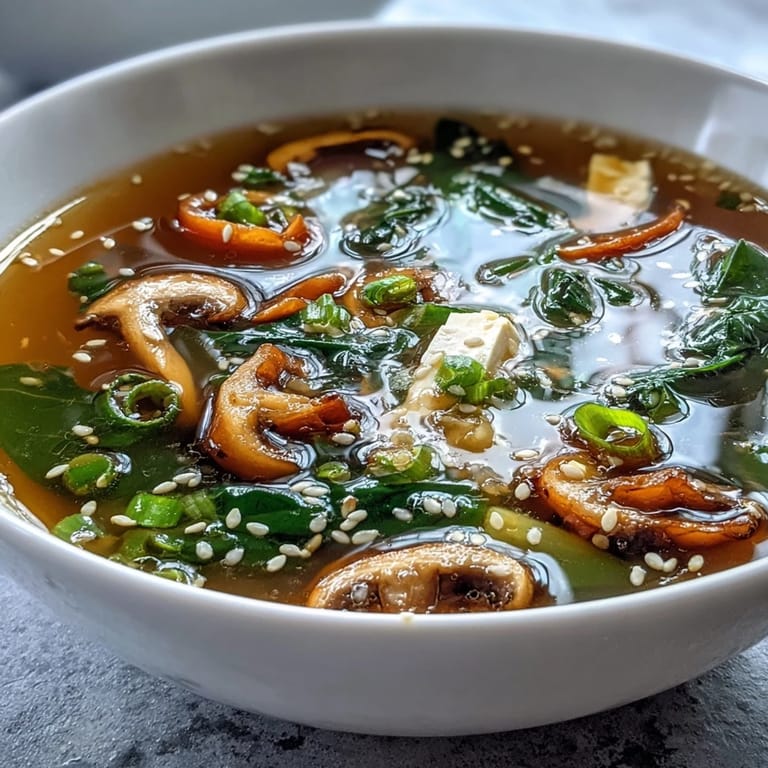
Save There was a moment last winter when a friend texted to say she'd made this soup and it reminded her of a trip to Japan she took years ago, even though she'd never had miso soup there. That's when I realized this soup does something beyond nutrition—it creates a space where you can sit with warmth and presence, and somehow that matters more than any recipe instruction.
The Magic of Miso
Miso is fermented soybean paste, which means it's alive with beneficial bacteria and enzymes that support digestion and overall wellness. The white and yellow varieties are milder and slightly sweet compared to darker miso, which is why they work so beautifully in a delicate broth without overwhelming it. Once you understand that boiling kills the probiotics, you'll never be careless with miso again—that moment of whisking it separately becomes a small ritual of respect for the ingredient.
Playing with Vegetables
The vegetables in this soup are just suggestions, not rules etched in stone. Bok choy wilts in seconds and adds a subtle bitterness that deepens the broth, spinach turns silky and iron-rich, daikon brings a peppery crunch that contrasts beautifully with the smoothness of everything else. I've made this soup with whatever was on the edge of going soft in the crisper drawer, and it's never disappointed.
Customizing Your Bowl
This soup has a quiet elegance on its own, but it also loves being personalized based on what your body needs that day. If you're adding protein, silken tofu is the obvious choice, but cooked chickpeas work too, or shredded rotisserie chicken if you eat poultry. The noodles are optional but transformative—they turn a light soup into something more substantial that can anchor a whole meal.
- Add a dash of soy sauce or tamari if you want deeper savory notes and don't mind a little extra sodium.
- A squeeze of fresh lime or lemon juice at the very end brightens everything and adds complexity.
- Leftover cooked rice or quinoa works just as well as noodles if that's what you have on hand.
 Save
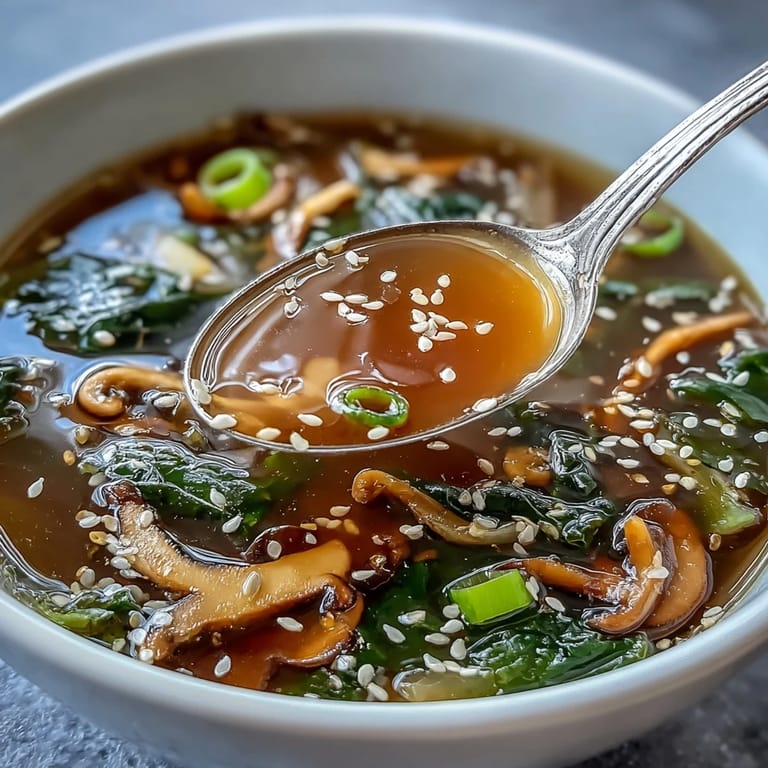
Save This soup has become my go-to when I need to slow down, when someone needs comfort, or when winter feels like it might last forever. Make it once and it becomes part of your kitchen language.
Recipe FAQs
- → Why shouldn't I boil miso?
Boiling miso paste destroys beneficial probiotics and enzymes that make it nutritionally valuable. Always dissolve miso in warm broth off the heat to preserve these health benefits while maintaining the soup's delicate flavor profile.
- → Can I use red miso instead of white?
Red miso has a stronger, more intense flavor and darker color compared to white miso's mild sweetness. Substitute in smaller quantities initially, then adjust to taste. The soup will have a bolder, heartier character.
- → How long does this soup keep?
Store cooled soup in an airtight container for up to 3 days in the refrigerator. The flavors will continue to develop. Reheat gently over medium-low heat without boiling to maintain texture and probiotic benefits.
- → What vegetables work best in this broth?
Napa cabbage, carrots, and shiitake mushrooms complement the ginger-miso base beautifully. Bok choy, spinach, daikon radish, or enoki mushrooms make excellent additions. Use tender vegetables that cook quickly in the simmering broth.
- → Is this suitable for meal prep?
Yes, prepare the vegetable broth base in advance and store separately. Add miso and fresh garnishes just before serving. Noodles and tofu absorb liquid overnight, so store them independently if making ahead for best texture.