 Save
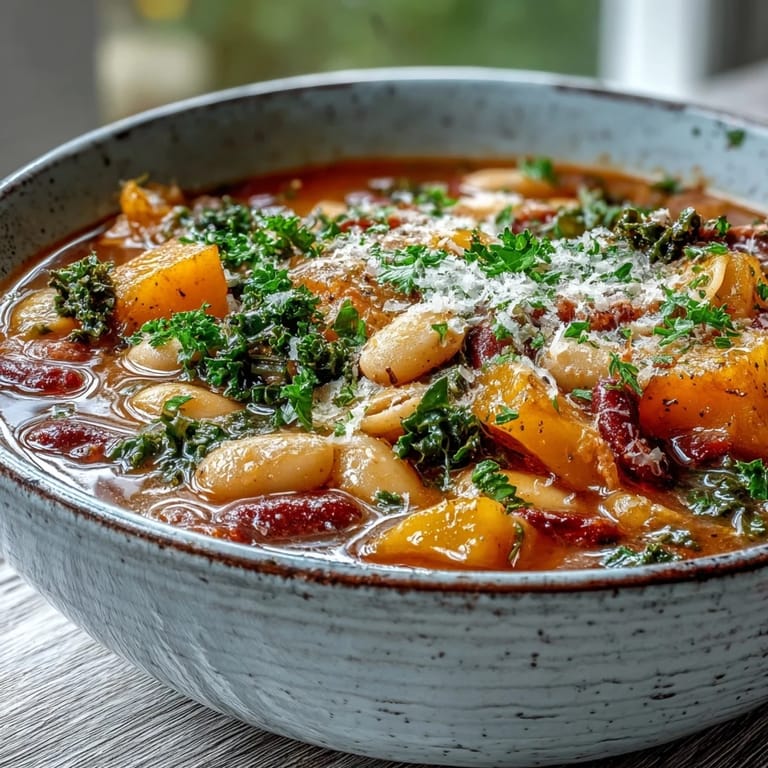
Save The day my neighbor dropped off a tureen of steaming minestrone during that record-breaking cold snap last January changed everything. Steam billowed from the pot as I lifted the lid, revealing chunks of golden butternut squash nestled among vibrant kale and beans. The aroma of herbs and tomato filled my kitchen instantly, wrapping around me like a warm blanket. My spoon sank through layers of tender vegetables and pasta, each bite telling me I needed this recipe in my life.
Last weekend, my sister and her kids stopped by unexpectedly during a snowstorm, cold and hungry. I had this soup simmering on the stove within minutes, the kitchen windows fogging up as we caught up on life. My nephew, who supposedly hates vegetables, asked for seconds and then casually mentioned hed like to learn how to make it himself. There was something magical about watching children who normally turn their noses up at greens happily slurping spoonfuls of kale and squash.
Ingredients
- Butternut squash: The natural sweetness it develops when cooked provides a lovely counterbalance to the earthiness of the beans and kale, and I've found pre-cut squash works perfectly fine when you're short on time.
- Cannellini beans: These creamy white beans practically melt in your mouth after simmering, giving the soup a subtle richness that makes it satisfying enough to be a complete meal.
- Kale: Strip those leaves from the tough stems before chopping, as I once made the mistake of including stems and had to listen to my husband crunch through dinner like he was eating twigs.
- Small pasta: Tiny shapes like ditalini or elbows nestle perfectly between the vegetables, and I've discovered storing leftover soup separately from uncooked pasta prevents the noodles from absorbing all the broth overnight.
- Herbs: The combination of oregano, thyme, and rosemary creates that distinctly Italian flavor profile, and adding a sprinkle of fresh parsley just before serving brings a brightness that wakes up the whole pot.
Tired of Takeout? 🥡
Get 10 meals you can make faster than delivery arrives. Seriously.
One email. No spam. Unsubscribe anytime.
Instructions
- Build your flavor base:
- Heat olive oil in your largest pot and add the onion, carrots, and celery, stirring occasionally until they begin to soften and your kitchen fills with that sweet vegetable aroma. This is where the soul of your soup begins, so give it a good 5-6 minutes to develop.
- Wake up the aromatics:
- Add minced garlic and cook just until you can smell its pungent fragrance wafting up from the pot. Youll know its ready when that distinct garlic scent hits your nose, usually after about a minute.
- Introduce the stars:
- Tumble in your butternut squash and zucchini pieces, stirring to coat them with the seasoned oil. As they cook for 4-5 minutes, youll notice them taking on a slight sheen and beginning to soften at the edges.
- Create your soup base:
- Pour in those diced tomatoes with all their juices, followed by the vegetable broth and water. Watch as the pot transforms into a bubbling cauldron of promise, then bring it to a proper boil where the surface is dancing with bubbles.
- Season and simmer:
- Sprinkle in your dried herbs and red pepper flakes, then reduce to a gentle simmer where only occasional bubbles break the surface. This patient 15-minute simmer allows the squash to slowly release its sweetness into the broth.
- Add substance:
- Stir in those creamy cannellini beans and pasta, allowing them to cook in the flavorful broth. The pasta will gradually plump up and become tender as it absorbs all the wonderful flavors around it.
- Finish with greens:
- Add the chopped kale and watch as it transforms from stiff, crinkly leaves to silky green ribbons woven throughout your soup. Taste and adjust the salt and pepper now, as the beans and pasta may have absorbed some seasoning.
- Final flourish:
- Off the heat, stir in that fresh parsley for a pop of color and bright flavor. Its amazing how this small addition can lift the entire pot of soup from good to memorable.
 Save
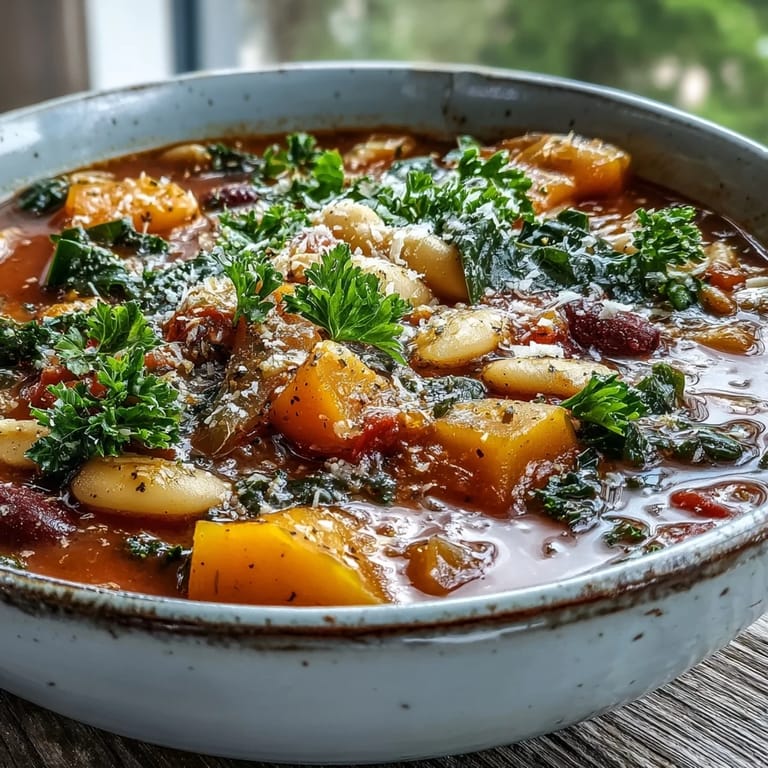
Save During last years neighborhood block party, I brought a huge pot of this minestrone despite the unusually chilly evening. People huddled around the steaming tureen, returning for seconds and thirds while swapping stories. Mrs. Capretti from two doors down, who rarely speaks above a whisper, approached me with shining eyes and said it reminded her exactly of her grandmothers soup from a small village outside of Florence. She squeezed my hand and in that moment, this simple vegetable soup became so much more than just dinner.
Seasonal Adaptations
Ive made this soup in every season, and it transforms beautifully depending on whats available. In summer, I double the zucchini and swap the butternut for yellow squash, while spring calls for tender asparagus pieces and baby spinach instead of kale. Autumn brings sweet sugar pumpkin or kabocha squash possibilities, and winter is perfect for adding hearty root vegetables like turnips or parsnips alongside the carrots. The recipe becomes a living calendar of the year, marking the passing seasons in my kitchen through taste and texture.
Making It Ahead
This soup has saved my sanity during busy weeks when cooking feels impossible. I often make a double batch on Sunday afternoons while listening to podcasts, letting the pot simmer away while filling the house with comforting aromas. One crucial discovery was keeping the pasta separate if storing longer than a day cooking it separately and adding it to individual bowls prevents that disappointing soggy pasta situation. When reheating, a splash of fresh broth or even water brings it back to life, and somehow the flavors become even more harmonious after resting together overnight.
Serving Suggestions
The beauty of this minestrone lies in how it can stand alone as a complete meal or play well with simple accompaniments. Ive served it countless ways through the years, learning that certain pairings elevate it from wonderful to extraordinary. My favorite combination involves setting out small bowls of toppings like extra red pepper flakes, lemon zest, and good olive oil alongside the Parmesan, allowing everyone to customize their bowl.
- A chunk of crusty sourdough bread for dunking is non-negotiable in my house the way it soaks up the broth while maintaining a bit of chew is pure comfort.
- For an easy but impressive dinner party, serve small cups of this minestrone as a starter course with tiny grilled cheese sandwiches made with fontina on the side.
- Keep the meal light by pairing with a simple arugula salad dressed with lemon, good olive oil, and shaved Parmesan its the perfect contrast to the warm, hearty soup.
 Save
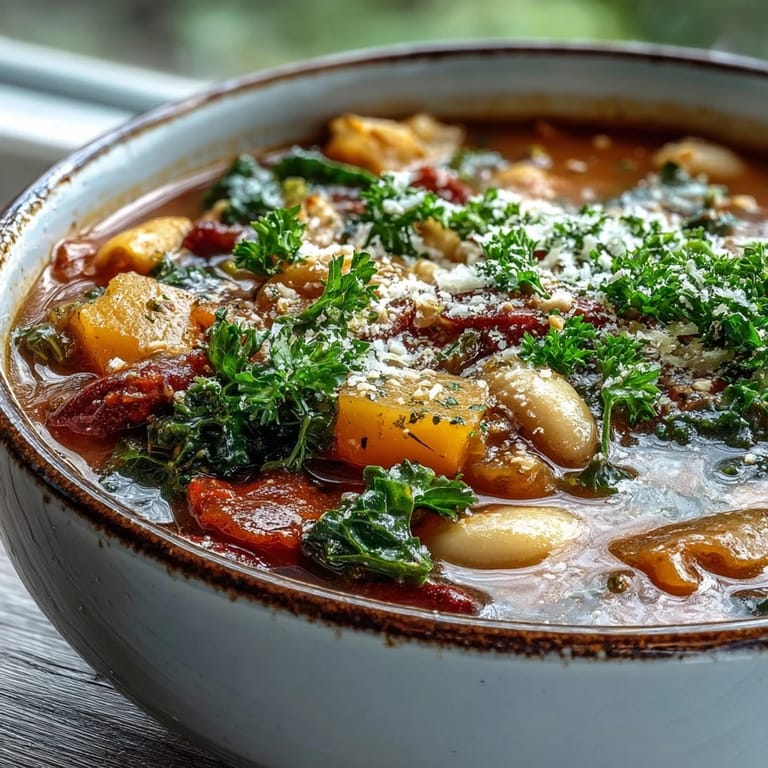
Save This minestrone has become more than a recipe in my collection its a reliable friend that comforts, nourishes, and brings people together. Whether youre cooking for yourself or a tableful of loved ones, I hope it wraps you in the same warm, satisfied feeling that keeps me coming back to it season after season.
Recipe FAQs
- → What makes minestrone different from other vegetable soups?
Minestrone is a thick Italian soup that typically includes vegetables, beans, and pasta or rice. The key difference is the addition of beans and starch like pasta, making it more filling than a simple vegetable broth soup.
- → Can I make this minestrone ahead of time?
Yes, this soup actually tastes better the next day as flavors meld. Store in the refrigerator for up to 4 days. Add pasta just before serving if making ahead, as it may absorb too much liquid.
- → What pasta works best in minestrone?
Small shapes like ditalini, elbow macaroni, shells, or small tubes work perfectly. They hold their shape during simmering and are easy to scoop up with a spoon.
- → Is this soup suitable for freezing?
Yes, freeze without the pasta for best results. Add fresh pasta when reheating. The soup keeps well in the freezer for up to 3 months in airtight containers.
- → How can I add more protein to this dish?
You can add more beans, include white beans with the cannellini, or serve with crusty bread and extra Parmesan. For non-vegetarians, Italian sausage or chicken can be added during the initial sauté.