 Save
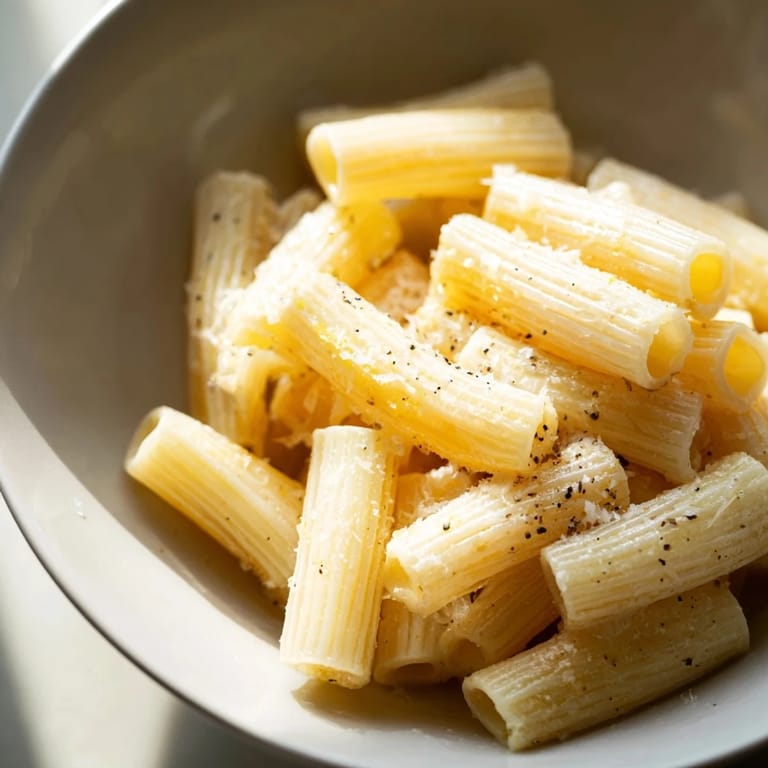
Save My stovetop broke on a Tuesday night, and I had nothing but a box of penne and a microwave. Out of sheer necessity, I tossed pasta into a bowl with water, microwaved it in bursts, and somehow ended up with dinner that actually tasted good. That clumsy experiment turned into my go-to method whenever I'm too tired to boil a pot or just need one quick serving. It's not fancy, but it works every single time.
I made this for a friend who was moving apartments and had packed all her cookware except a microwave and a single fork. We sat on the floor of her empty kitchen, eating penne with butter and Parmesan straight from the bowl, laughing at how oddly satisfying it was. She still texts me whenever she makes it in her new place, calling it her emergency comfort meal.
Ingredients
- Dried pasta (85 g): Short shapes like penne, fusilli, or elbow macaroni cook most evenly in the microwave and don't clump as much as long noodles.
- Water (375 ml): This ratio keeps the pasta submerged without boiling over, just enough to absorb as it cooks.
- Salt (¼ tsp): A small pinch seasons the pasta as it hydrates, you can always add more at the end.
- Olive oil or butter (1 tsp): Stirring in a little fat after cooking keeps the noodles from sticking and adds a silky finish.
- Grated Parmesan cheese (2 tbsp): It melts right into the hot pasta and gives you that salty, savory hit without any extra effort.
- Black pepper and sauce (optional): A twist of pepper or a spoonful of marinara turns plain pasta into something that feels like a real meal.
Tired of Takeout? 🥡
Get 10 meals you can make faster than delivery arrives. Seriously.
One email. No spam. Unsubscribe anytime.
Instructions
- Set up your bowl:
- Put the dried pasta in a large microwave-safe bowl that's at least twice the volume of the pasta and water combined. This extra space prevents the starchy water from bubbling over and making a mess in your microwave.
- Add water and salt:
- Pour in the water and sprinkle the salt over the pasta, then give it a quick stir to make sure nothing is stuck to the bottom. The pasta will float at first, and that's perfectly fine.
- First microwave burst:
- Microwave uncovered on high for four minutes. You'll see the water start to heat up and the pasta begin to soften around the edges.
- Stir and continue:
- Take the bowl out, stir the pasta to separate any pieces that are clinging together, then microwave in two-minute increments. After each interval, stir again and check the texture until the pasta is al dente and most of the water has been absorbed, usually eight to ten minutes total depending on your microwave.
- Drain if needed:
- If there's more than a tablespoon or two of water left, carefully tip the bowl over the sink to drain it. A little starchy water is actually nice to leave in, it helps any sauce cling better.
- Finish and serve:
- Stir in your olive oil or butter, Parmesan, black pepper, and any sauce you like. The heat from the pasta will melt everything together into a simple, satisfying dish you can eat right away.
 Save
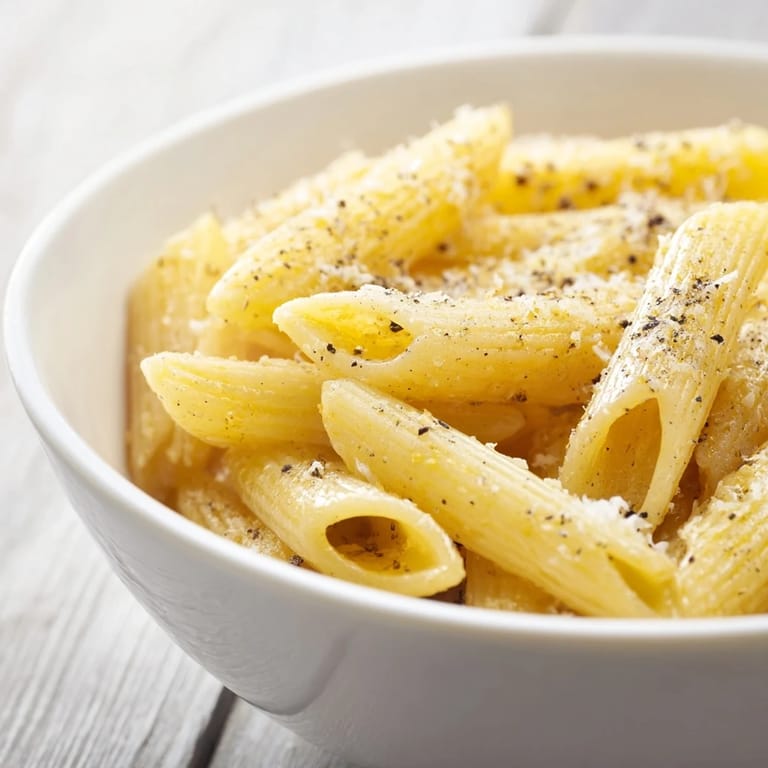
Save One night I stirred in leftover pesto and a handful of frozen peas after microwaving, and it tasted like I'd actually tried. My roommate walked in, smelled the basil, and assumed I'd been cooking for twenty minutes. I didn't correct her, just handed her a fork and let her think I was secretly domestic.
Choosing the Right Pasta Shape
Short, sturdy shapes with ridges or twists work best because they tumble in the water and cook evenly without tangling. Long noodles like spaghetti tend to stick together in a microwave bowl, and delicate shapes like angel hair can turn mushy before the center is done. I've had the best luck with penne, fusilli, and elbow macaroni, they come out tender with just the right bite every time.
Making It a Full Meal
This basic method is just a starting point, and it's easy to bulk it up into something more filling. I've stirred in thawed frozen spinach, canned white beans, cherry tomatoes, or leftover rotisserie chicken right after draining, and the residual heat warms everything through. A drizzle of good olive oil, a squeeze of lemon, or a spoonful of ricotta can turn your single bowl of pasta into something that feels intentional and nourishing.
Troubleshooting and Timing
Microwave wattages vary, so your first attempt might need a little tweaking. If your pasta is still firm after ten minutes, add another splash of water and microwave in one-minute bursts until it's done. If it's too soft, cut back by a minute or two next time and check earlier.
- Test a piece before draining, it should be tender but still have a slight firmness in the center.
- If your microwave runs hot, start with three-minute intervals instead of four to avoid overcooking.
- Keep the bowl uncovered so steam can escape and the water doesn't boil over onto the turntable.
 Save
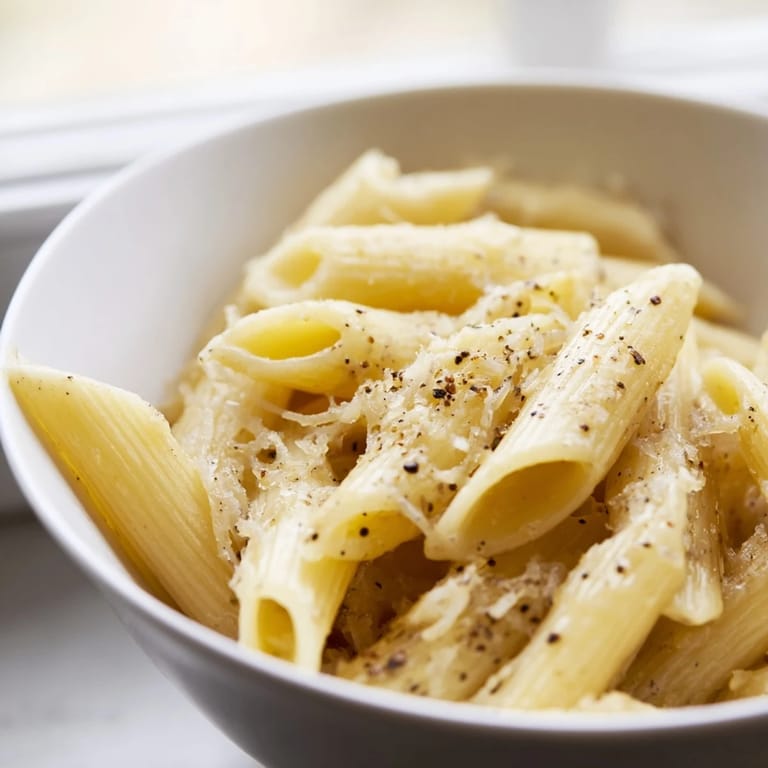
Save This recipe has saved me more times than I can count, on late work nights, in tiny hotel kitchens, and whenever I just want one simple bowl of pasta without the fuss. It's proof that good food doesn't always need a stove or a plan, sometimes it just needs a microwave and a little patience.
Recipe FAQs
- → Can I use any type of pasta for this microwave method?
Yes, most dried pasta shapes work well. Penne, fusilli, and elbow macaroni are ideal choices. Smaller and more compact shapes tend to cook more evenly than longer varieties like spaghetti.
- → Why do I need to stir the pasta during cooking?
Stirring prevents the pasta from sticking together and ensures even cooking throughout. It also helps distribute heat and allows water absorption to occur more uniformly across all pieces.
- → What if water boils over in my microwave?
Avoid overfilling the bowl—the pasta should not exceed half the bowl's capacity. Using a larger bowl provides more space for expansion and reduces the risk of boiling over during cooking.
- → How do I know when the pasta is properly cooked?
Test for al dente texture by biting a piece—it should be tender with a slight firmness in the center. Most water should be absorbed, though you can drain any excess if needed after cooking.
- → Can I add vegetables or proteins to this dish?
Absolutely. Add cooked vegetables, herbs, or pre-cooked proteins after the pasta finishes cooking. This method works well as a base for building more substantial one-bowl meals with your preferred additions.
- → Does cooking time vary between different microwaves?
Yes, microwave wattage affects cooking time. Higher-wattage microwaves cook faster than lower-wattage models. Start checking at 8 minutes and adjust the timing based on your specific microwave's performance.